Appeals Court Rejects Trump’s Sweeping Immunity Claim, Setting Stage for Historic Legal Showdown

A federal appeals court has delivered a sweeping rejection of former President Donald Trump’s claim that he is broadly immune from prosecution for actions taken while in office, a decision that could shape the legal limits of presidential power for generations.
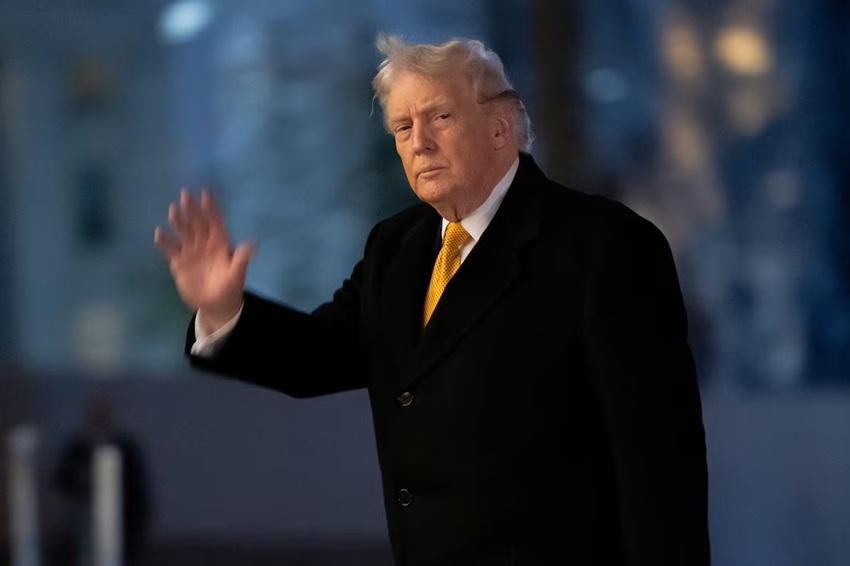
In a unanimous ruling, the U.S. Court of Appeals for the District of Columbia Circuit concluded that former presidents do not possess blanket protection from legal accountability. The court made clear that once out of office, a president returns to the legal status of any other citizen, subject to the same system of laws and courts.
The decision comes as Trump faces a major federal case led by Special Counsel Jack Smith, who has been investigating the former president’s actions following the 2020 presidential election. Prosecutors argue that Trump engaged in a series of efforts aimed at challenging the certification of the election results and attempting to influence the process through which electoral votes were formally confirmed.
At the center of the case is a constitutional question that has never been fully tested in American history: whether a former president can face legal charges related to actions taken while serving in the Oval Office.
Trump’s legal team has built its defense around a sweeping theory of presidential immunity. According to that argument, a president cannot face prosecution for official conduct unless Congress first impeaches and convicts that president for the same actions.
Trump’s lawyers have framed the claim as essential to protecting the independence of the presidency. Without such protections, they argue, future presidents could be exposed to politically motivated legal battles launched by rival administrations.
But the appeals court rejected that interpretation outright. Judges wrote that accepting such a theory would fundamentally alter the constitutional structure of the United States by placing the presidency beyond the reach of legal oversight.
The panel emphasized that while the president holds immense authority, the office does not grant permanent legal privileges after leaving power. Former presidents, the judges said, must ultimately answer to the same legal framework that governs every other American.
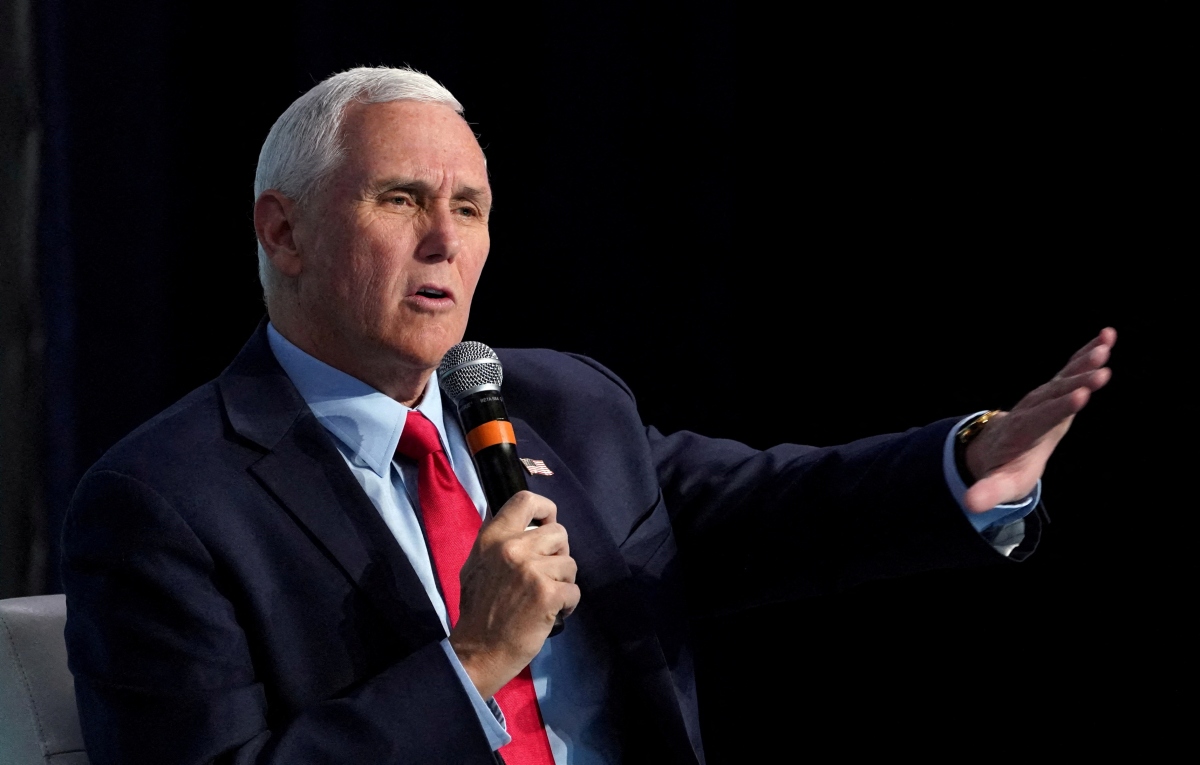
The broader case centers on events surrounding the certification of the 2020 election results in Congress. At the time, Vice President Mike Pence presided over the constitutional process in which electoral votes from the states were formally counted and confirmed.
According to prosecutors, Trump attempted to influence that process through a series of political and legal maneuvers aimed at delaying or challenging the certification of the results. Those actions now form a central part of the federal case being pursued by Smith’s team.
Trump has repeatedly denied wrongdoing and has described the investigations as politically motivated. His supporters have echoed those claims, arguing that the cases represent an unprecedented use of the legal system against a former president.
The appeals court, however, focused strictly on the constitutional principles at stake. In its ruling, the panel warned that granting the kind of immunity Trump requested would place the president effectively above the law, weakening the balance among the executive, legislative, and judicial branches.
Legal experts say the unanimous nature of the decision is particularly notable. Major constitutional disputes often produce divided opinions among judges, reflecting the complexity of the issues involved. In this case, however, all three judges agreed completely in rejecting the claim of unlimited presidential immunity.
Trump’s legal team subsequently asked the Supreme Court to review the issue. The nation’s highest court later recognized that presidents may have limited protections for certain official acts taken while carrying out their duties.
However, the Supreme Court stopped short of granting the sweeping immunity Trump had sought. Instead, the justices established a framework requiring courts to analyze specific actions individually to determine whether they fall within protected presidential authority or outside it.
That ruling leaves the door open for prosecutors to continue pursuing the case, though it adds new layers of legal analysis that could shape how the trial unfolds.

For Special Counsel Jack Smith, the decision preserves a path forward for one of the most consequential federal cases in modern American history. For Trump, it means that the argument his legal team relied on to halt the prosecution entirely has been significantly narrowed.
The case now moves into a new phase in which courts will examine the details of the actions at the center of the dispute, including the events surrounding the certification of the 2020 election results overseen by Vice President Pence.
Beyond the immediate legal battle, the ruling carries broader implications for the American constitutional system. For decades, scholars have debated how far presidential immunity should extend and whether former presidents can be held accountable for actions taken in office.
The appeals court’s decision reinforces a principle that has long been central to the American legal tradition: no individual, regardless of position, stands entirely beyond the reach of the law.
As the case proceeds, it is likely to remain one of the most closely watched legal and political stories in the country, testing the boundaries of presidential power and the durability of the nation’s constitutional framework.






