In a recent House Judiciary Committee proceeding, Representative Jasmine Crockett, a Democrat from Texas, delivered an impassioned statement addressing the fatal shooting of Renee Nicole Good, a 37-year-old U.S. citizen and mother of three, by an Immigration and Customs Enforcement (ICE) agent in Minneapolis. The incident, which occurred on January 7, 2026, has prompted ongoing debate over federal law enforcement practices, use-of-force protocols, and congressional oversight responsibilities.

Good, described by family members as an award-winning poet and dedicated parent to children aged 15, 12, and 6, was killed during an encounter with ICE personnel in a residential area of the city. According to official accounts and video evidence reviewed in subsequent investigations, the interaction involved an ICE agent, identified as Jonathan Ross, who fired multiple shots as Good’s vehicle moved in his direction. An independent autopsy commissioned by the family determined that Good sustained three gunshot wounds, including one to the head, along with a graze injury. Federal authorities have maintained that the agent acted in response to perceived threats, citing prior incidents involving vehicle-related risks to officers, while Good’s relatives and advocates have called for greater transparency and accountability.
The congressional forum, convened to examine the use of force by Department of Homeland Security (DHS) personnel and related enforcement tactics, featured testimony from Good’s brothers, Luke and Brent Ganger, who spoke of the profound family trauma and urged reforms to prevent similar outcomes. Experts and other witnesses also addressed broader concerns regarding ICE operations, constitutional protections, and mechanisms for reviewing agent conduct.
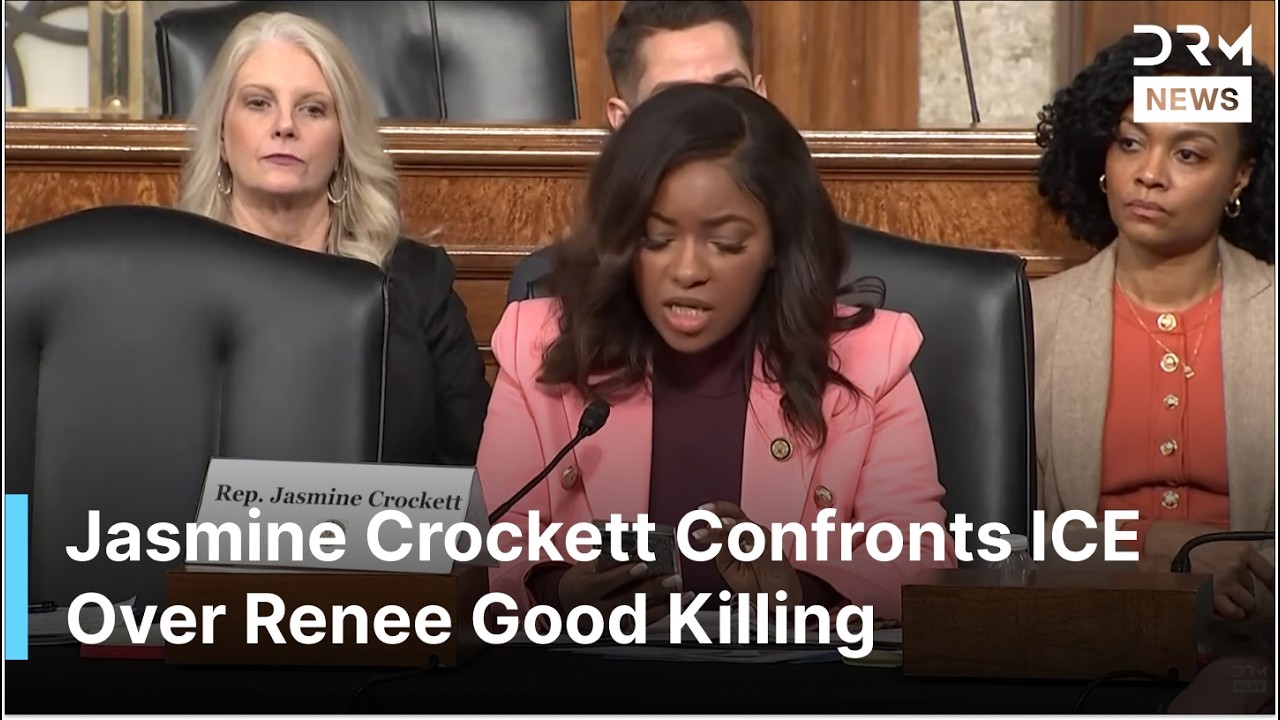
During the session, Crockett directed pointed questions toward DHS and ICE representatives, seeking clarity on responsibility for Good’s death and whether the incident reflected systemic issues in training or policy. She expressed deep frustration at what she perceived as insufficient acknowledgment from some colleagues across the aisle regarding the gravity of a U.S. citizen’s death at the hands of a federal officer. Crockett emphasized the human impact, noting that a child had lost her mother and questioning whether basic decency required recognition that the event was profoundly wrong.
The exchange grew tense when Crockett referenced statements from Minneapolis Mayor Jacob Frey, including direct language urging federal immigration authorities to leave the city. Republicans on the committee objected to the inclusion of profanity in the quoted remarks, prompting a brief pause in proceedings and instructions from the chair to maintain decorum. Crockett countered that the focus on language appeared disproportionate to the underlying loss of life, arguing that concerns over propriety should not overshadow discussion of the shooting itself.
The moment underscored longstanding partisan differences in how Congress approaches oversight of federal agencies like ICE. Democrats have frequently criticized what they describe as aggressive enforcement tactics under certain administrations, pointing to cases involving U.S. citizens or long-term residents as evidence of overreach. Republicans, in contrast, have emphasized officer safety, the challenges of immigration enforcement amid high-risk encounters, and the need to support law enforcement personnel facing potential threats.
Good’s case has drawn particular attention due to her status as a U.S. citizen with no apparent immigration violations, raising questions about the circumstances that led to the confrontation. Video footage from the scene, including body-worn and bystander recordings, has been analyzed in media reports and legal reviews, with differing interpretations of the vehicle’s movement and the agent’s positioning. Some accounts suggest Good’s SUV briefly reversed before advancing, while others highlight the rapid sequence of events in a confined space.
Broader context includes ongoing national conversations about federal authority in immigration matters, especially in sanctuary jurisdictions like Minneapolis, which has limited cooperation with ICE. The shooting revived memories of prior high-profile incidents in the city, amplifying calls from local officials and activists for restrictions on federal operations.
In the aftermath, Crockett’s remarks — delivered with visible emotion — resonated with those advocating for reform. She challenged whether congressional priorities adequately reflected public expectations for justice and empathy in such cases. Supporters viewed her intervention as a necessary push for accountability, while critics suggested the display risked overshadowing substantive policy debate.

The hearing itself formed part of a series of congressional examinations into DHS practices, with Democrats pressing for independent reviews and enhanced reporting requirements on use-of-force incidents. Republicans have countered by highlighting the dangers officers face, including past episodes where agents were injured during arrests, and arguing that premature judgments could undermine operational effectiveness.
As investigations continue — including potential civil litigation by Good’s family and any internal DHS review — the episode illustrates the difficulties Congress faces in balancing oversight with institutional norms. The focus on procedural interruptions amid discussion of a fatal encounter has fueled commentary on whether decorum serves or hinders examination of sensitive issues.
Ultimately, the proceeding reflects deeper divisions over immigration enforcement, federal accountability, and the role of emotion in political discourse. With Good’s brothers and other witnesses emphasizing the need for change to honor her memory, the case remains a focal point for those seeking adjustments to how federal agents interact with the public during enforcement actions.






