Title: London’s Public Ramadan Gatherings Stir Debate Over Faith, Space, and Identity
In recent years, few cities have embodied the complexities of modern multicultural life quite like London. A recent public Ramadan gathering in the British capital has again brought those tensions into view, igniting debate over religious expression, civic space, and the evolving identity of the city.
The event, which included a large open-air iftar during the Muslim holy month of Ramadan, was attended by hundreds of volunteers and participants. Speaking to the crowd, Sadiq Khan praised the organizers and suggested the gathering could become one of the largest public Ramadan meals ever held in the Western world. Similar events have taken place in cities such as Birmingham, Bradford, and Glasgow, reflecting the growing visibility of Ramadan celebrations across Britain.
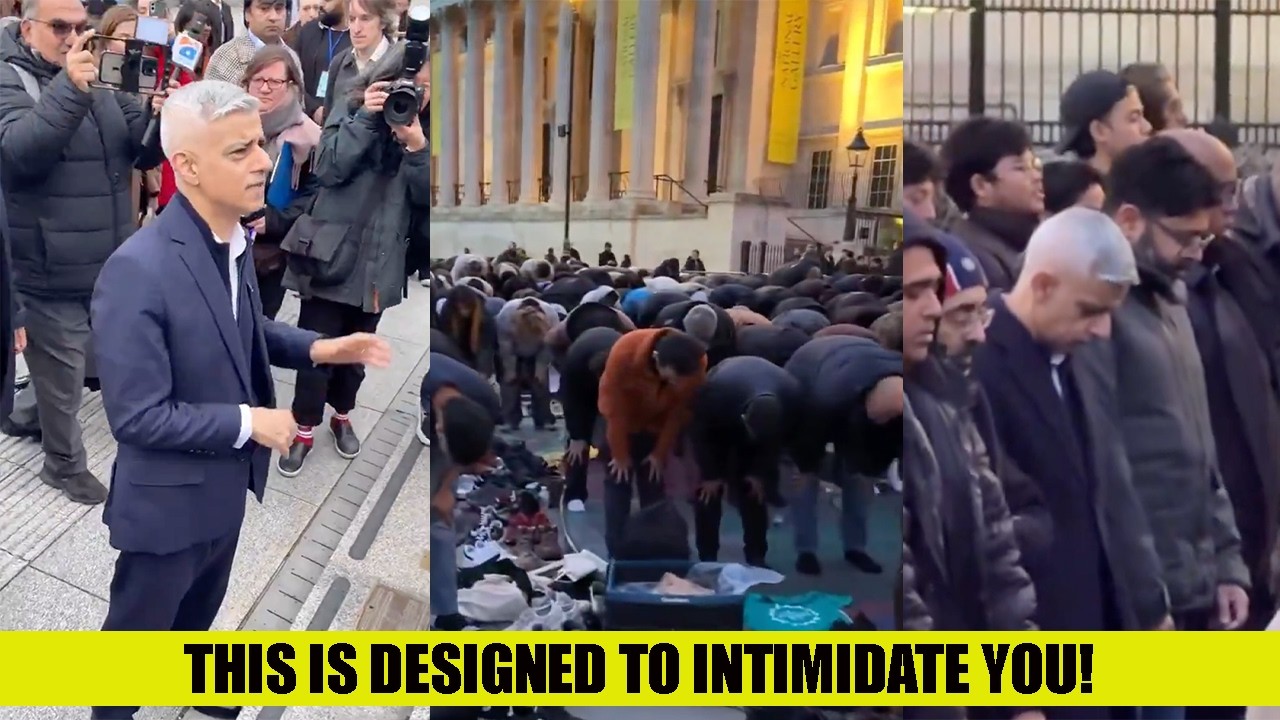
For many participants, the event was meant to symbolize community and generosity. Ramadan, the ninth month of the Islamic calendar, is marked by fasting from dawn to sunset and culminates each evening in iftar, the meal that breaks the fast. Public iftars—often organized by volunteers and community groups—have become increasingly common in Western cities, intended as moments of inclusion where Muslims and non-Muslims can gather together.
Supporters of the gatherings argue that such events reflect the pluralistic nature of modern Britain. In a city where more than 300 languages are spoken and residents trace their heritage to nearly every corner of the globe, public celebrations of cultural and religious traditions are hardly unusual. London regularly hosts street festivals tied to different communities—from Caribbean carnivals to Diwali celebrations—many of which take place in open public spaces.
But the sight of large prayer gatherings and Ramadan celebrations on public streets has also drawn criticism from some commentators and political activists. Critics argue that highly visible religious events can create a sense that public space is being reshaped by particular cultural groups. In online commentary surrounding the recent gathering, some voices claimed that such displays were meant to signal influence or social dominance.
Those criticisms echo a broader debate across Europe over immigration, identity, and religious expression. Some commentators have pointed to the number of mosques in London—often cited at roughly 500—to argue that Muslim institutions already have ample space for religious observance.
Yet scholars of religion and urban studies say that such claims often misunderstand the purpose of public gatherings. Religious events in shared spaces, they argue, are typically less about asserting power than about visibility and communal participation.
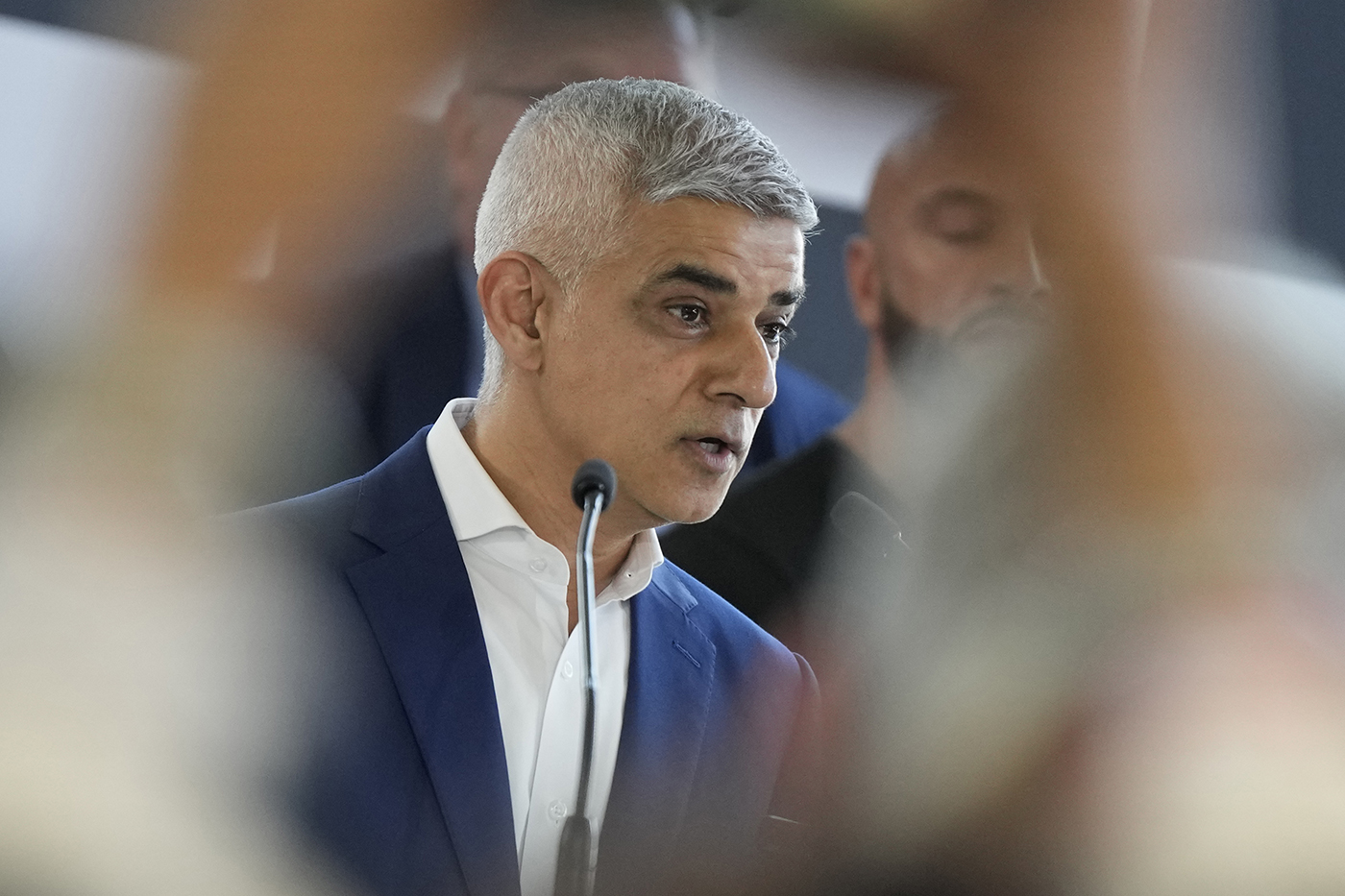
“Public rituals serve a social function,” said one urban sociologist who studies religion in European cities. “They help communities express identity while also inviting the broader public to witness and sometimes participate.”
Indeed, many public iftar events are intentionally framed as interfaith gatherings. In previous years, organizers in London have invited leaders from Christian, Jewish, Sikh, and secular civic organizations to join the meal. For some participants, the open-air setting reflects the spirit of Ramadan itself—one centered on charity, reflection, and connection.
The political dimension, however, is difficult to ignore. As mayor, Khan—who in 2016 became the first Muslim leader of a major Western capital—has frequently promoted London’s diversity as one of its defining strengths. His supporters view events like the Ramadan gathering as examples of inclusive civic leadership.
Opponents, however, often frame the same events as evidence of cultural change they find unsettling. In Britain’s polarized online media environment, even routine civic celebrations can quickly become symbols in larger ideological battles.
This dynamic is not unique to Muslim communities. Public expressions of religion—whether Christmas markets, Easter processions, or Sikh parades—have long been part of Europe’s urban landscape. What has changed, observers say, is the heightened political scrutiny surrounding minority faiths.
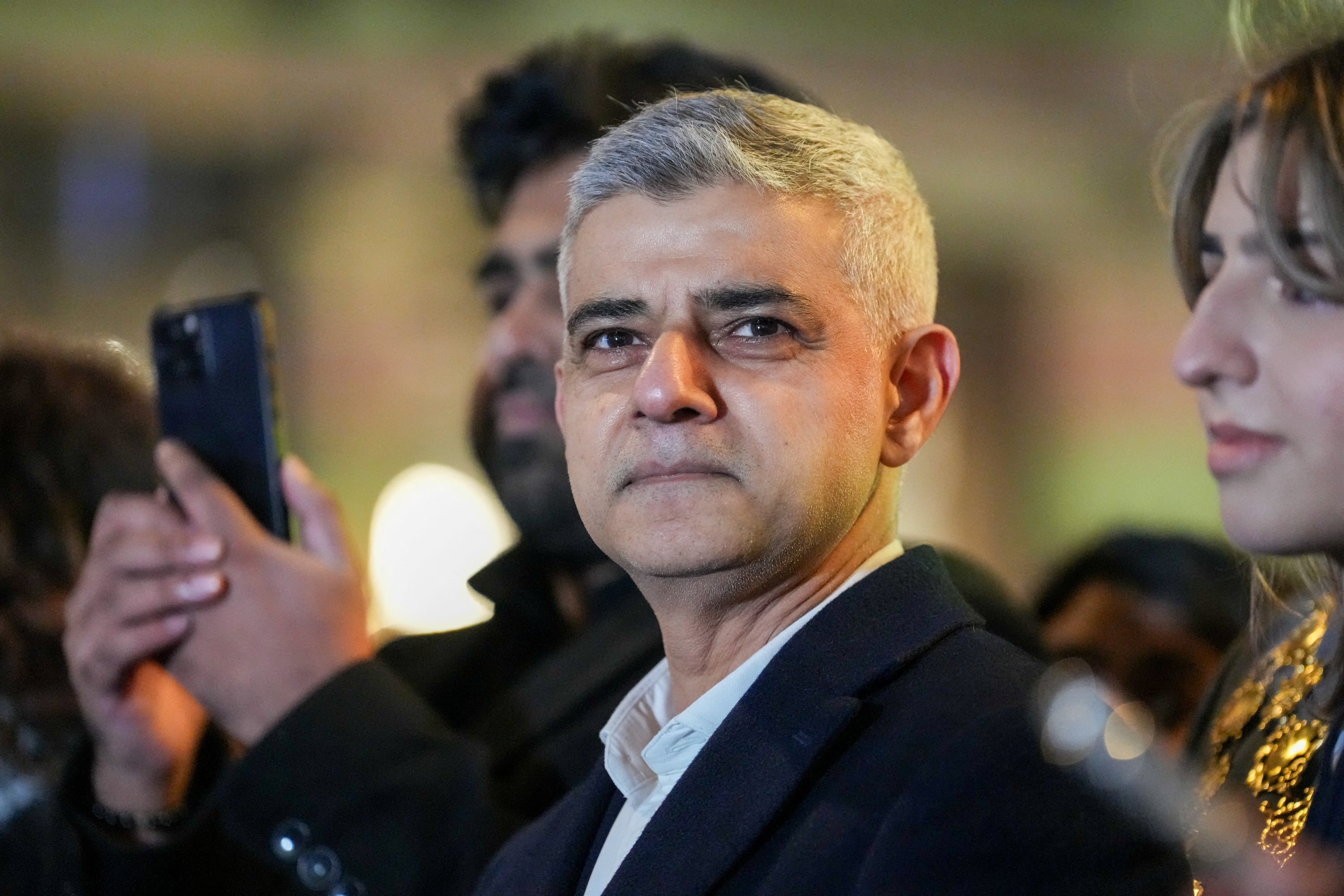
For residents of London, the debate may ultimately reflect a deeper question about the future of global cities. As migration and cultural exchange reshape urban populations, public spaces increasingly serve as stages where competing visions of national identity play out.
For some, the Ramadan gathering was a powerful symbol of inclusion and civic pride. For others, it represented a moment of discomfort about the pace of cultural transformation.
What remains clear is that London, like many major cities, is continuing to negotiate what it means to be both deeply diverse and socially cohesive. The debate over public religious events may be less about a single evening’s gathering than about how shared spaces in modern democracies can accommodate many identities at once.
In that sense, the scene on London’s streets was not merely a local controversy. It was another chapter in a broader conversation unfolding across the Western world—about faith, belonging, and the meaning of public life in the 21st century.






