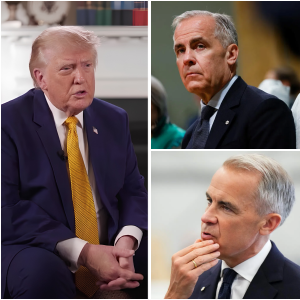
Hillary Clinton Deposition Sparks Heated Exchanges Over Trump, Epstein Files
A recently released video deposition of former Secretary of State Hillary Clinton has drawn renewed political attention, particularly regarding her remarks about former President Donald Trump and congressional handling of Jeffrey Epstein-related files.

During the deposition, Clinton was asked whether she believed Trump should also be deposed by the committee. In response, she argued that investigators should look for “patterns and practices” when determining witnesses. Clinton referenced Trump’s civil liability in the E. Jean Carroll case and his criminal conviction in New York on 34 counts related to falsifying business records. She said that prior conduct can be relevant when evaluating who should be questioned in an investigation.
Clinton stated that, in her view, Trump would be “on [her] witness list” if she were leading the inquiry, though she noted that he has been deposed many times and has invoked his Fifth Amendment rights in past proceedings. Trump has denied wrongdoing in the cases referenced and is appealing his criminal conviction.
Clinton also criticized the committee’s procedures, arguing that there had been limited public transparency. She noted that no public hearings had been held and questioned why certain individuals referenced in Epstein-related documents had not been called in open sessions. Republican members of the committee have maintained that their investigation is ongoing and that procedures follow established congressional rules.
The deposition included several contentious exchanges between Clinton and Republican members. At one point, Clinton objected to reports that photos from the deposition room were being circulated, stating that the hearing was being conducted under rules that restricted media access. One member indicated she would remove any images posted online.
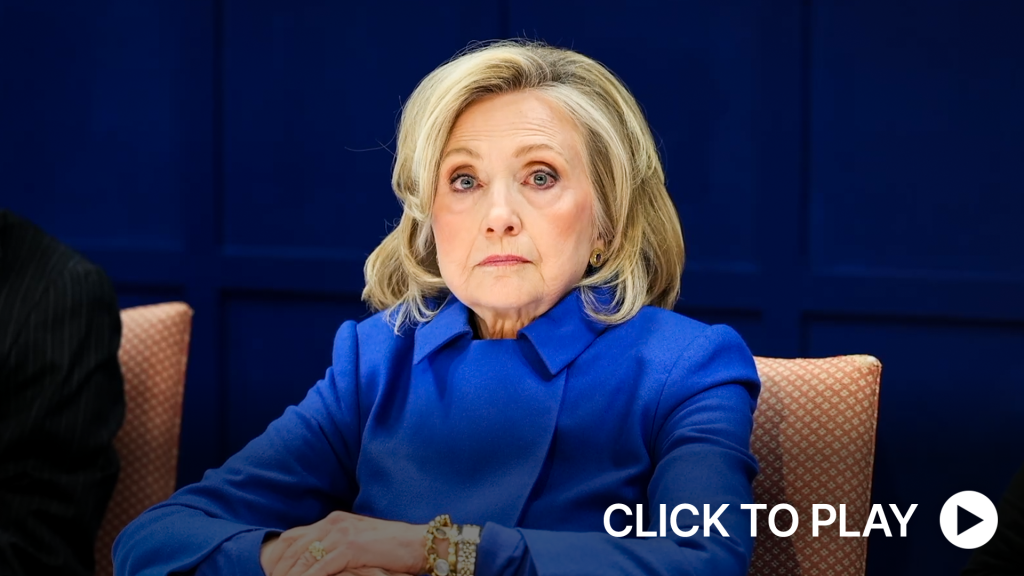
Another exchange involved Representative Nancy Mace, who questioned Clinton about fundraising-related emails that allegedly referenced Jeffrey Epstein and businessman Howard Lutnick. Clinton responded that she knew Lutnick through work related to recovery efforts following the September 11 attacks and denied knowingly seeking funds from Epstein. The exchange became heated, with both participants speaking over one another before the chair intervened.
Representative Lauren Boebert questioned Clinton about “Pizzagate,” a conspiracy theory that alleged child trafficking tied to a Washington, D.C., pizzeria. Clinton rejected the premise of the question, describing the theory as baseless and harmful. She stated she had not reviewed materials related to those claims and criticized the spread of conspiracy narratives.
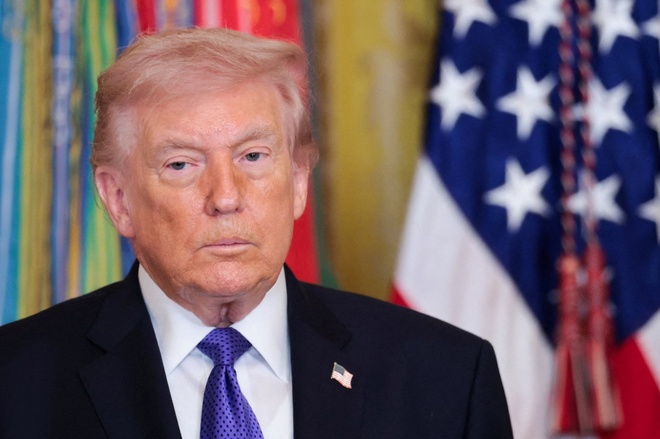
Other members asked Clinton about unrelated topics, including unidentified aerial phenomena (UAPs), intelligence matters, and whether she had ever met or traveled with Jeffrey Epstein. Clinton stated she had never met Epstein, never traveled to his island, and was unaware of his crimes prior to public reporting.
Separately, former President Bill Clinton’s deposition testimony was also discussed. Bill Clinton confirmed that Trump had once mentioned a falling out with Epstein over a real estate deal. According to his testimony, Trump characterized the end of their relationship as being related to a property dispute. Bill Clinton also stated that he had not witnessed criminal conduct during his limited interactions with Epstein and expressed sympathy for victims.
Republican members characterized the Clinton depositions as failing to produce evidence implicating Trump in Epstein’s crimes. Some Democratic commentators, however, argued that the testimony did not constitute an “exoneration” but rather reflected limited personal knowledge.
The release of the deposition footage highlights ongoing partisan divisions over the scope and transparency of investigations related to Epstein’s associates. Lawmakers from both parties continue to call for greater clarity regarding what information is contained in remaining files and whether additional disclosures will be made.
As investigations and document reviews continue, the depositions have become another flashpoint in a broader political battle over accountability, transparency, and the handling of Epstein-related records.