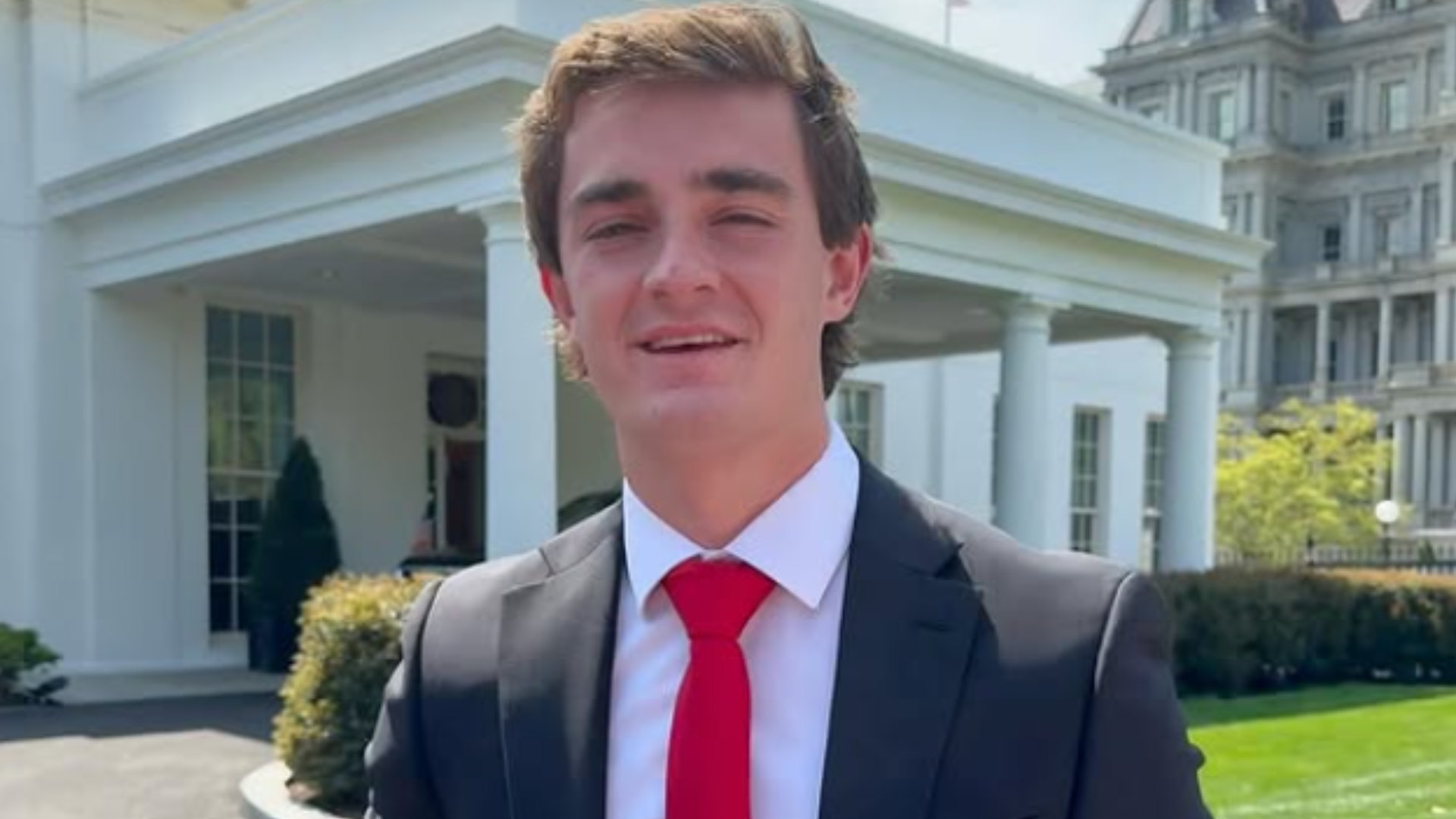
Washington — A surge of viral claims circulating across social media has intensified debate in political circles, after YouTuber Nick Shirley alleged the existence of a covert “deep state” network operating within the U.S. government. The assertions, which have accumulated millions of views online, remain unverified. Still, their rapid spread reflects the growing influence of digital platforms in shaping political narratives, particularly when they tap into long-standing concerns about transparency, power and institutional accountability.
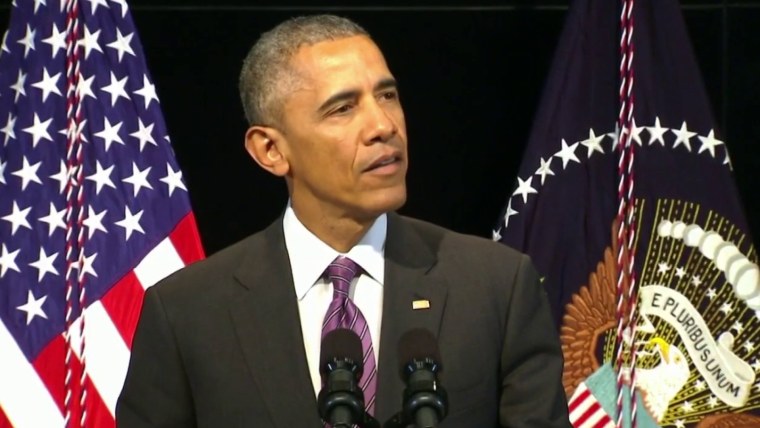
The claims suggest that the alleged network is linked to former President Barack Obama, though no substantiated evidence has been publicly presented to support that connection. Analysts and fact-checkers have urged caution, noting that such allegations require rigorous verification. Despite this, the narrative has resonated with segments of the public, highlighting a broader climate of skepticism toward government institutions and elite political figures.
Compounding the controversy are statements attributed online to individuals described as aligned with Attorney General Pam Bondi, referencing a hidden structure working against public interests. However, these statements have not been confirmed through official government channels. The lack of verifiable sourcing has led many journalists to treat the claims as part of a rapidly evolving online discourse rather than established fact.
Speculation has also emerged suggesting that the United States Department of Justice is forming a specialized internal task force to investigate alleged misconduct within federal agencies. To date, no formal announcement has been made confirming such an initiative. Legal experts note that while internal reviews are not uncommon, extraordinary claims about secret operations require clear documentation before being considered credible.
The viral narrative has been amplified by references to federal agencies such as the Federal Bureau of Investigation and the Bureau of Alcohol, Tobacco, Firearms and Explosives, described in posts as part of a hypothetical investigative effort. Officials from these agencies have not publicly corroborated the existence of such coordinated activity, reinforcing the need for careful distinction between verified information and online speculation.
Public reaction has been swift and polarized. Supporters of the claims argue that they reflect genuine concerns about unelected influence within government structures. Critics, however, describe the narrative as speculative and warn that it risks undermining trust in democratic institutions without sufficient evidence. The divide illustrates how digital information ecosystems can amplify contrasting interpretations of the same unverified claims.
Data from social media platforms indicates that hashtags associated with the controversy have generated extensive engagement, drawing in users far beyond traditional political audiences. The scale of interaction highlights how emotionally charged narratives can spread rapidly, often outpacing efforts to verify or contextualize the underlying information. This dynamic has become a defining feature of modern political communication.
Media scholars note that such viral episodes often compress complex institutional questions into simplified narratives that are easier to share and debate. While this can increase public interest in governance, it also creates challenges for accurate understanding. Without access to full context or verified documentation, audiences may form conclusions based on incomplete or misleading representations.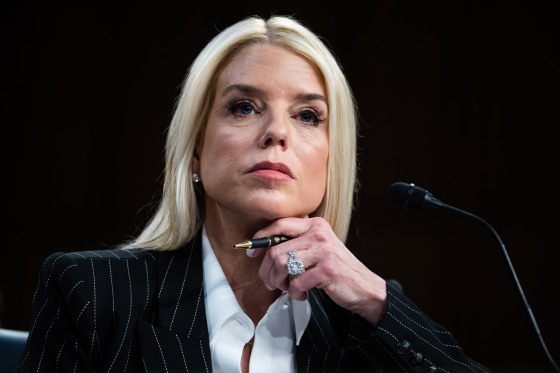
In response, media literacy advocates have emphasized the importance of consulting multiple credible sources before accepting claims as factual. They caution that the speed of digital dissemination can blur the line between reporting and speculation, making it essential for audiences to critically evaluate the origin and reliability of information they encounter online.
The episode also reflects broader tensions within American political culture, where debates about authority, accountability and transparency continue to evolve. For some, the viral claims reinforce existing concerns about institutional power. For others, they highlight the risks of misinformation in an era where unverified assertions can achieve widespread visibility within hours.
Ultimately, the situation underscores a central reality of contemporary public discourse: perception can spread faster than verification. While the claims surrounding a so-called “deep state” network remain unproven, their impact on the national conversation is already significant. As the story continues to develop, its trajectory will likely depend not only on evidence, but on how information is shared, interpreted and understood in the digital age.






