A deepening crisis within the United States Department of Justice has drawn national attention, as a steady wave of resignations and dismissals reshapes one of the country’s most critical legal institutions. What appears at first glance to be a series of personnel changes has evolved into a broader debate about independence, ethics, and the balance between political leadership and the rule of law in Washington.

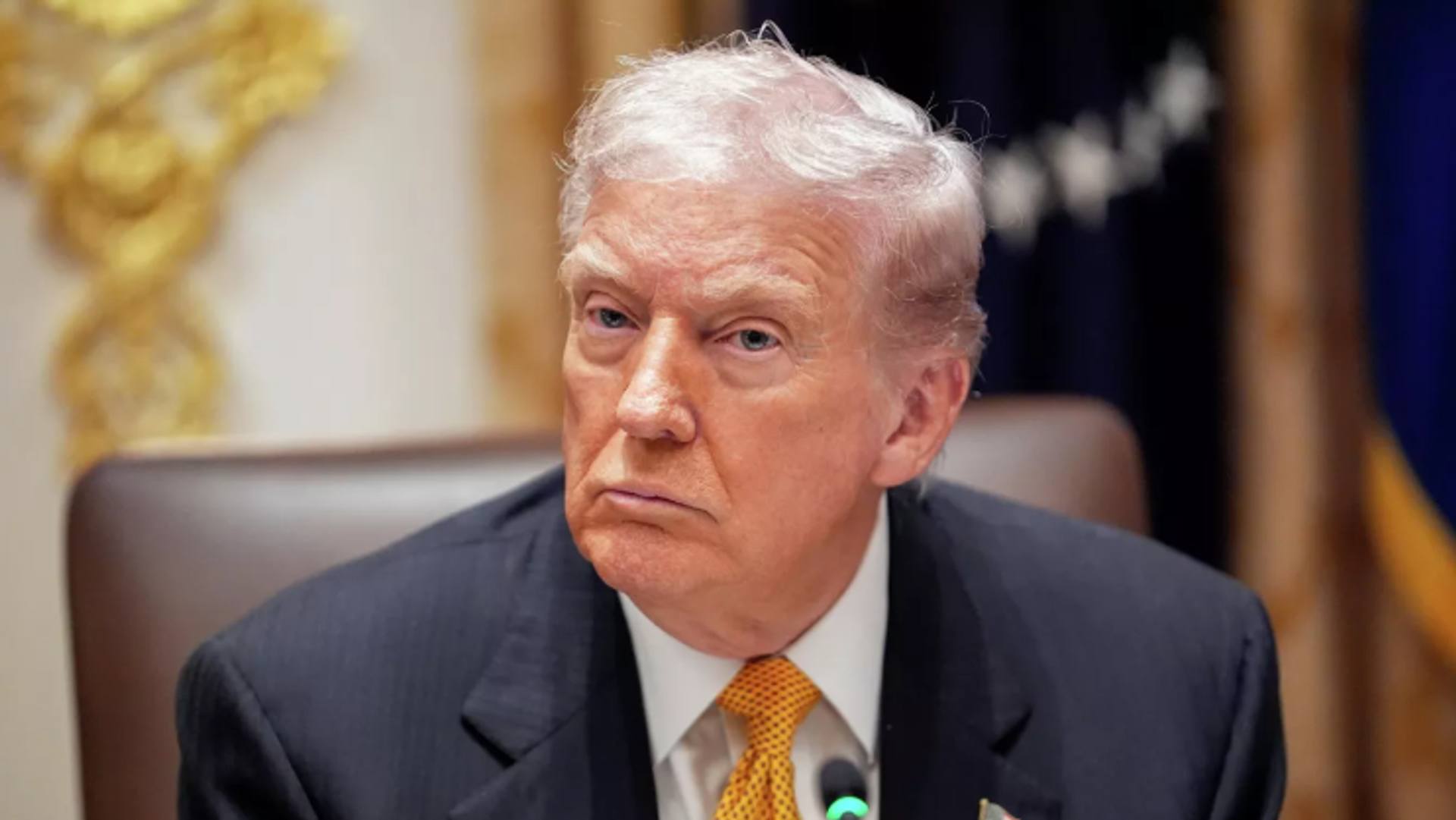
At the center of the controversy are actions taken during the administration of Donald Trump, where more than a dozen officials connected to investigations involving the former president were removed. Many of these individuals had worked under Jack Smith, who led high-profile prosecutions related to the January 6 Capitol attack and the handling of classified documents.

According to multiple accounts, the dismissals were justified by leadership on the grounds that these officials could not be trusted to implement the administration’s agenda. Critics, however, argue that such reasoning risks undermining the long-standing principle that federal prosecutors operate independently of political influence, particularly in cases involving senior political figures.
Beyond these high-profile removals, current and former officials describe what they characterize as a broader “quiet purge” affecting multiple divisions within the Justice Department. This includes the dismissal of senior ethics কর্মকর্ত and departures across units responsible for civil rights enforcement, public corruption investigations, and the defense of federal policies in court.
The impact has been especially pronounced within the Federal Programs Branch, where attorneys represent the executive branch in legal challenges. By mid-2025, a significant portion of that workforce had either resigned or signaled plans to leave, citing concerns about being asked to defend policies they viewed as legally or ethically questionable.
In several instances, career prosecutors have publicly explained their decisions to resign. Some described being instructed to abandon cases they believed were supported by evidence, while others said they faced pressure to sign statements they considered inaccurate. These accounts, though contested, have intensified scrutiny of internal decision-making processes within the department.
One widely discussed episode involved a corruption investigation connected to New York City Mayor Eric Adams. Multiple prosecutors stepped down after being directed to halt the case, with at least one senior ოფიცი, Danielle Cissoon, among those who left. Their resignations added to concerns about how prosecutorial discretion was being exercised.
The effects of the departures have extended beyond Washington. In offices such as those in Minnesota, staffing shortages have reportedly complicated ongoing investigations, with some cases delayed or dismissed due to resource constraints. Legal experts note that such disruptions can have tangible consequences for public safety and the administration of justice.
Many departing officials have chosen to make their resignation letters public, creating a detailed record of their concerns. These documents, which outline allegations of political pressure and ethical conflict, are increasingly viewed by analysts as a potential foundation for future congressional oversight or independent review.
Supporters of the administration maintain that leadership changes are a legitimate exercise of executive authority and argue that elected officials have a mandate to shape policy priorities. They also caution against drawing conclusions from incomplete information, emphasizing that internal deliberations often involve factors not immediately visible to the public.
Still, the unfolding situation has raised enduring questions about the resilience of institutional norms. As the Justice Department continues to navigate these challenges, the broader implications—for legal accountability, public trust, and democratic governance—remain uncertain, underscoring the delicate balance between political direction and the impartial enforcement of the law.






