Independent Senator Angus King of Maine addressed the Senate floor in a detailed speech focusing on modifications to historical interpretations at several national park sites, attributing the changes to an executive order issued in March 2025 titled “Restoring Truth and Sanity to American History.” The senator described the removals as inconsistent with established historical record and argued that they represent an inappropriate exercise of executive authority over public education at federally managed historic locations.
The executive order directed the National Park Service (NPS) to review and revise interpretive materials deemed inconsistent with a particular framing of American history. Implementation has resulted in the removal or alteration of more than 30 items across various sites. At Harpers Ferry National Historical Park in West Virginia, panels and exhibits addressing the institution of slavery and its role in the events leading to John Brown’s 1859 raid were among those affected. In Philadelphia, at the President’s House site—where George Washington resided during his presidency—interpretive signage detailing the lives of the nine enslaved individuals held there by Washington was removed. Additionally, the widely recognized 1863 photograph known as “The Scourged Back,” depicting the scarred back of an formerly enslaved man named Gordon, was taken down from display at at least one park location.
A federal district judge has already intervened in one instance, ruling that the removal of certain President’s House exhibits violated procedural requirements and ordering their restoration. The administration has appealed the decision, and litigation remains active. NPS officials have maintained that the revisions aim to present a more unified and positive narrative of national history, though critics contend that the changes selectively omit documented aspects of slavery’s role in the nation’s founding era.
The National Parks Conservation Association (NPCA), a nonprofit organization that advocates for park preservation, released survey data indicating that 78 percent of Americans—representing respondents across partisan lines—oppose the removal of factual historical content from national park interpretive materials. The NPCA described the findings as reflecting broad public support for maintaining comprehensive and evidence-based presentations at historic sites.
In a related development, the National Park Service implemented a system of QR codes at select locations inviting visitors to submit feedback on exhibits they considered “negative” or otherwise problematic. According to reports, the initiative generated nearly 2,200 responses, the vast majority of which urged the agency to retain the existing materials without alteration. Park Service spokespersons characterized the feedback mechanism as an effort to engage the public, while observers noted that the overwhelmingly supportive responses toward historical accuracy appeared to contradict the stated rationale for the changes.
Senator King’s remarks framed the issue within larger concerns about governmental influence over historical narrative. He argued that national parks serve as public spaces where citizens encounter unvarnished accounts of the country’s past, including its failures and moral contradictions. The senator referenced the pattern of removals as consistent with approaches seen in other contexts where state authorities have sought to regulate educational content on sensitive historical subjects.

The changes have drawn attention from historians, museum professionals, and civil rights organizations. Scholars specializing in antebellum and Reconstruction-era history have expressed concern that excising references to slavery at sites directly connected to Washington, the events at Harpers Ferry, and the broader context of enslaved labor risks creating incomplete visitor experiences. The President’s House site, for example, was archaeologically excavated in the early 2000s specifically to highlight the presence and circumstances of enslaved individuals in the executive mansion, making the interpretive panels a central component of its educational mission.
Supporters of the executive order’s implementation have contended that excessive emphasis on negative aspects of history can overshadow themes of national achievement and unity. Administration officials have described the directive as a necessary correction to what they view as ideologically driven additions to park narratives in prior years. They point to the order’s title as reflecting an intent to prioritize factual accuracy and inspirational messaging.
The debate occurs against the backdrop of ongoing national discussions about how public institutions should present the history of slavery, segregation, and racial injustice. Similar controversies have arisen in recent years over school curricula, museum exhibits, and state-level legislation addressing the teaching of divisive historical topics. National parks, managed by a federal agency and visited by millions annually, occupy a unique position as widely accessible venues for historical learning outside formal educational settings.
Legal experts note that the federal court ruling in the President’s House case may set a precedent for challenges to other removals if they are found to violate administrative procedure, First Amendment considerations regarding government speech, or statutory obligations under the National Historic Preservation Act and related laws governing NPS interpretive responsibilities. The appeals process could extend resolution for months or longer.
Visitor data from the affected sites indicate sustained public interest in the original exhibits. Harpers Ferry continues to draw large crowds interested in the convergence of abolitionism, slavery, and sectional conflict, while the President’s House memorial remains a focal point for reflection on the contradictions embedded in the early republic. The removal of “The Scourged Back” photograph, a stark visual document of slavery’s brutality frequently used in educational contexts, has drawn particular commentary from photographic historians who regard it as a primary source of enduring evidentiary value.
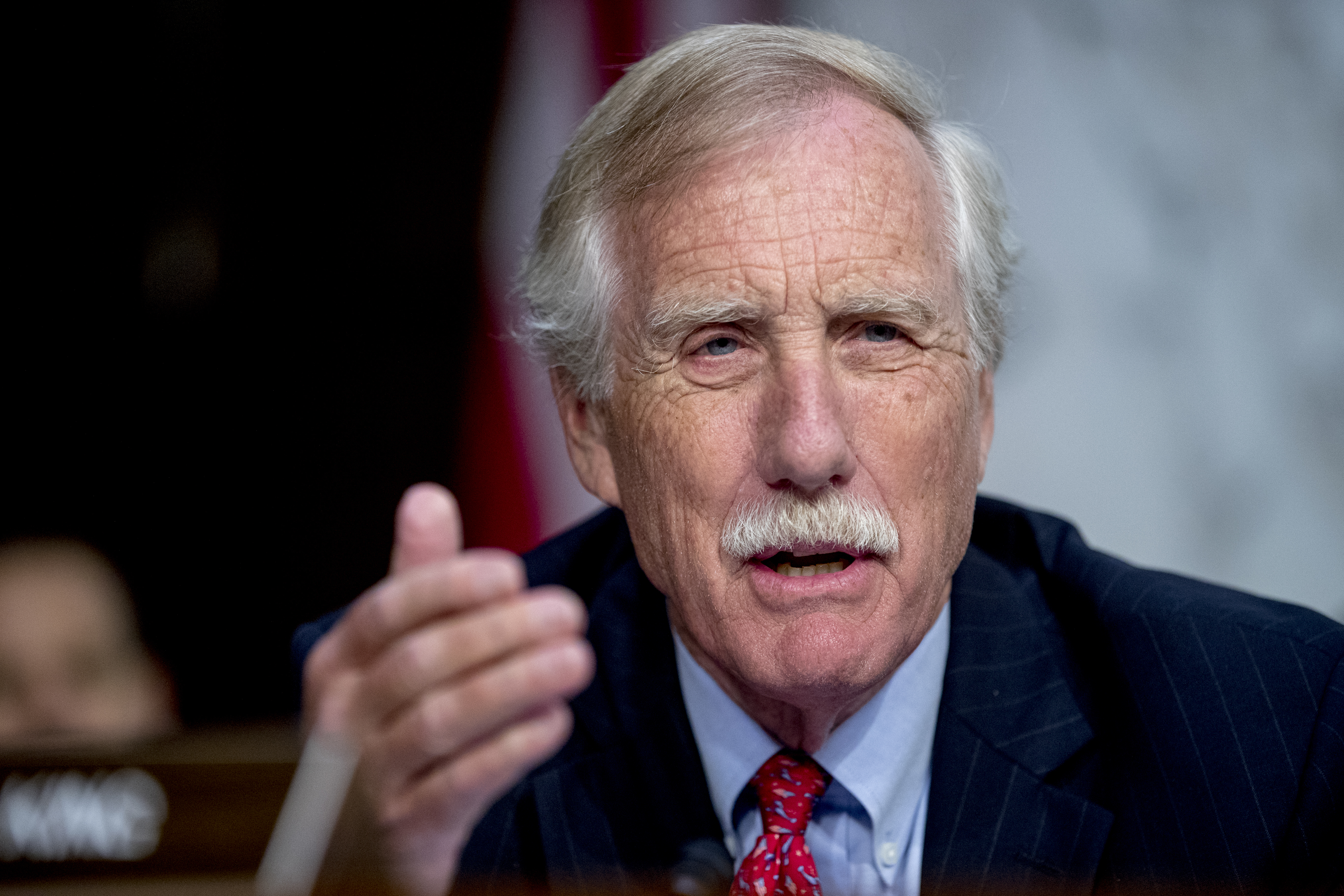
Senator King concluded his floor remarks by emphasizing the importance of preserving access to a complete historical record, regardless of political administration. He positioned the issue as transcending party lines, noting that factual accuracy in public history serves democratic accountability and civic education.
The National Park Service has not announced any immediate reversal of the broader changes pending further legal or policy review. Agency leadership continues to describe ongoing interpretive updates as part of routine content management, while acknowledging the need to balance diverse public perspectives.
As the litigation and public debate continue, the episode underscores the tension between executive discretion in managing federal properties and expectations that national historic sites maintain fidelity to documented evidence. The outcome of related court proceedings and potential congressional oversight could influence how future administrations approach the presentation of contested elements of American history at publicly funded sites.






