Washington — Recent testimony before the House Judiciary Committee has intensified scrutiny of internal oversight and governance practices within the Department of Homeland Security (DHS), following statements by former Secretary Kristi Noem and subsequent developments tied to her tenure.
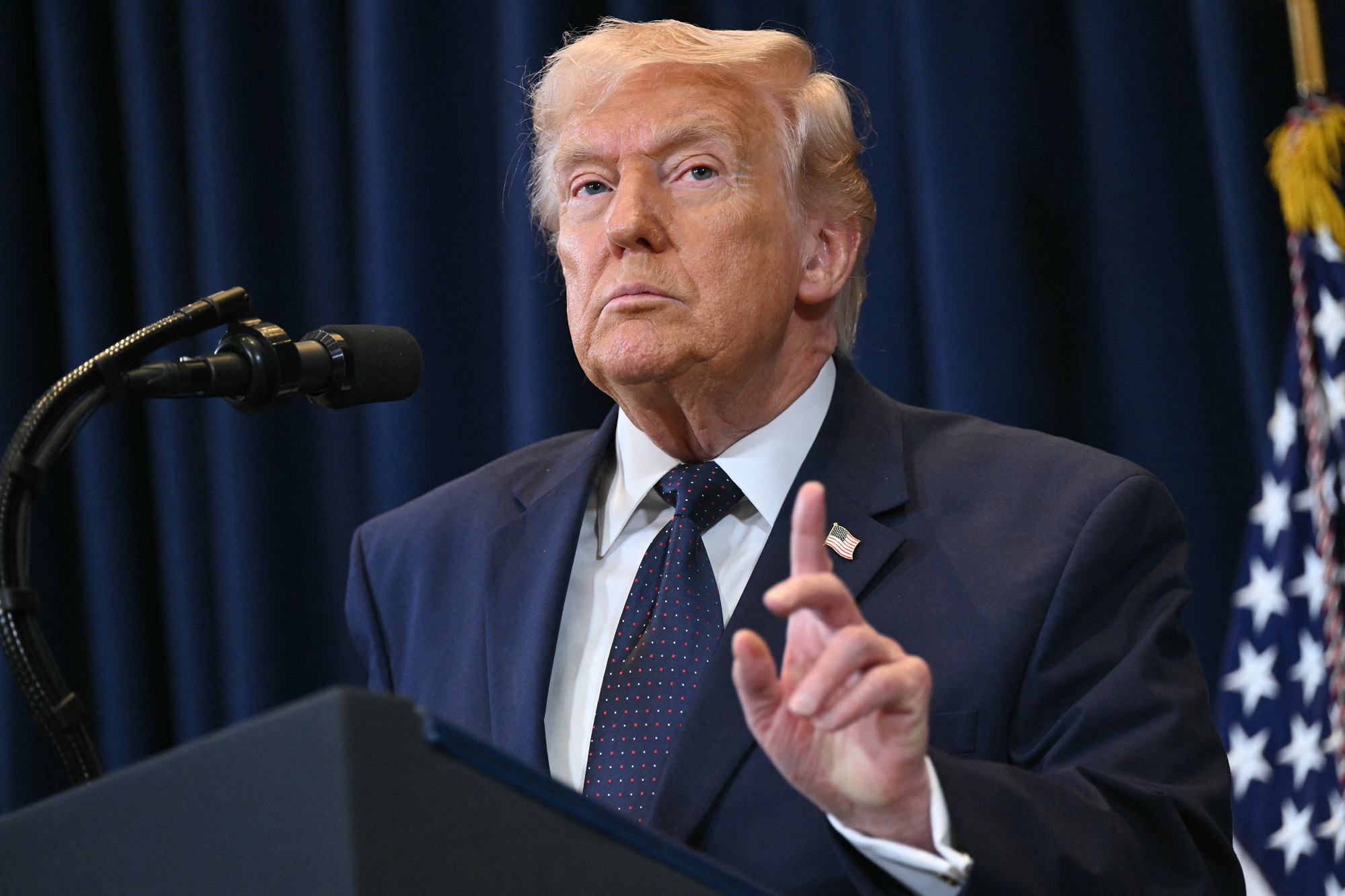
Appearing before lawmakers on March 4, Noem addressed a series of questions related to departmental operations and personnel decisions. Under oath, she stated that no pilots had been dismissed, challenged the accuracy of prior media reporting, and indicated she could not identify any Immigration and Customs Enforcement (ICE) or Customs and Border Protection (CBP) agents who had been formally disciplined during her leadership.
The hearing, while focused on specific operational matters, has since taken on broader significance as additional details have emerged regarding internal processes and decision-making authority within DHS.
Background Context
The Department of Homeland Security oversees a wide range of agencies responsible for border management, immigration enforcement, and domestic security coordination. Given its scope, the department operates under strict procedural frameworks governing appointments, authorizations, and internal accountability.
Congressional oversight plays a central role in monitoring these processes, particularly when questions arise regarding the exercise of authority by senior officials or advisers.
What Changed
Following the hearing, attention shifted to reports concerning the role of a senior adviser within DHS. According to multiple accounts cited by oversight bodies and media organizations, the adviser—operating under constraints that typically limit the duration and scope of government service—was involved in actions that may extend beyond standard advisory functions.
Central to these concerns are claims regarding the use of an autopen, a device that replicates an official’s signature, in authorizing certain actions. The reported use of such a mechanism in this context has prompted questions about procedural compliance and internal safeguards.
Additional reporting suggests that experienced officials who declined to approve certain actions were subsequently reassigned or moved from their positions, further raising questions about internal decision-making dynamics.
Strategic Motivations
Analysts note that the use of advisers in government roles is not uncommon, particularly during periods of policy transition or administrative restructuring. However, the delineation between advisory input and formal authority remains a critical boundary within federal governance.
The situation has prompted renewed discussion among policy experts about the need for clear guidelines governing the role of non-confirmed advisers, particularly in departments with operational and enforcement responsibilities.
For lawmakers, the issue is less about individual actions and more about institutional consistency—ensuring that established procedures are followed regardless of political or administrative context.
Economic and Administrative Implications

While the developments are primarily administrative, they carry broader implications for public sector governance and institutional credibility. Transparency in decision-making processes is considered essential for maintaining confidence in large federal agencies, particularly those with enforcement authority.
The reported sealing of certain financial records tied to external business activities has added another layer of complexity, with some lawmakers calling for greater disclosure to clarify potential conflicts of interest.
Such concerns are not uncommon in oversight proceedings, where the intersection of public service and private sector activity is closely examined.
Operational and Institutional Considerations
The use of tools such as autopen devices has been an accepted administrative practice in certain contexts, particularly for routine or high-volume documentation. However, their application in sensitive or high-level authorizations remains subject to strict internal controls.
Experts in administrative law emphasize that the legitimacy of such tools depends on clearly defined protocols, including who authorizes their use and under what circumstances.
In this case, the reported application of the autopen has prompted questions about whether those protocols were followed and whether additional safeguards are needed.
Broader International Context
While the issue is domestic in nature, governance practices within major federal agencies are closely observed by international partners. Institutional transparency and adherence to procedural norms are often viewed as indicators of stability and reliability in global cooperation frameworks.
Questions surrounding oversight mechanisms can therefore carry implications beyond national borders, particularly in areas such as security coordination and cross-border enforcement.
Forward-Looking Analysis

The situation has evolved further following Noem’s departure from office, marking the first cabinet-level change in the current administration. The leadership transition is expected to bring renewed focus on internal review processes and compliance frameworks within DHS.
Congressional committees are likely to continue examining the circumstances surrounding the reported actions, including the role of advisers and the use of administrative tools in decision-making.
Looking ahead, the episode may contribute to broader policy discussions حول strengthening oversight mechanisms, clarifying advisory roles, and reinforcing procedural safeguards across federal agencies.
Ultimately, the long-term significance of this development lies not only in individual accountability but in how institutions adapt to ensure transparency, consistency, and adherence to established governance standards.






