Orbán’s Fierce Rebuke of Merz Exposes Deep Fault Lines in Europe’s War Strategy
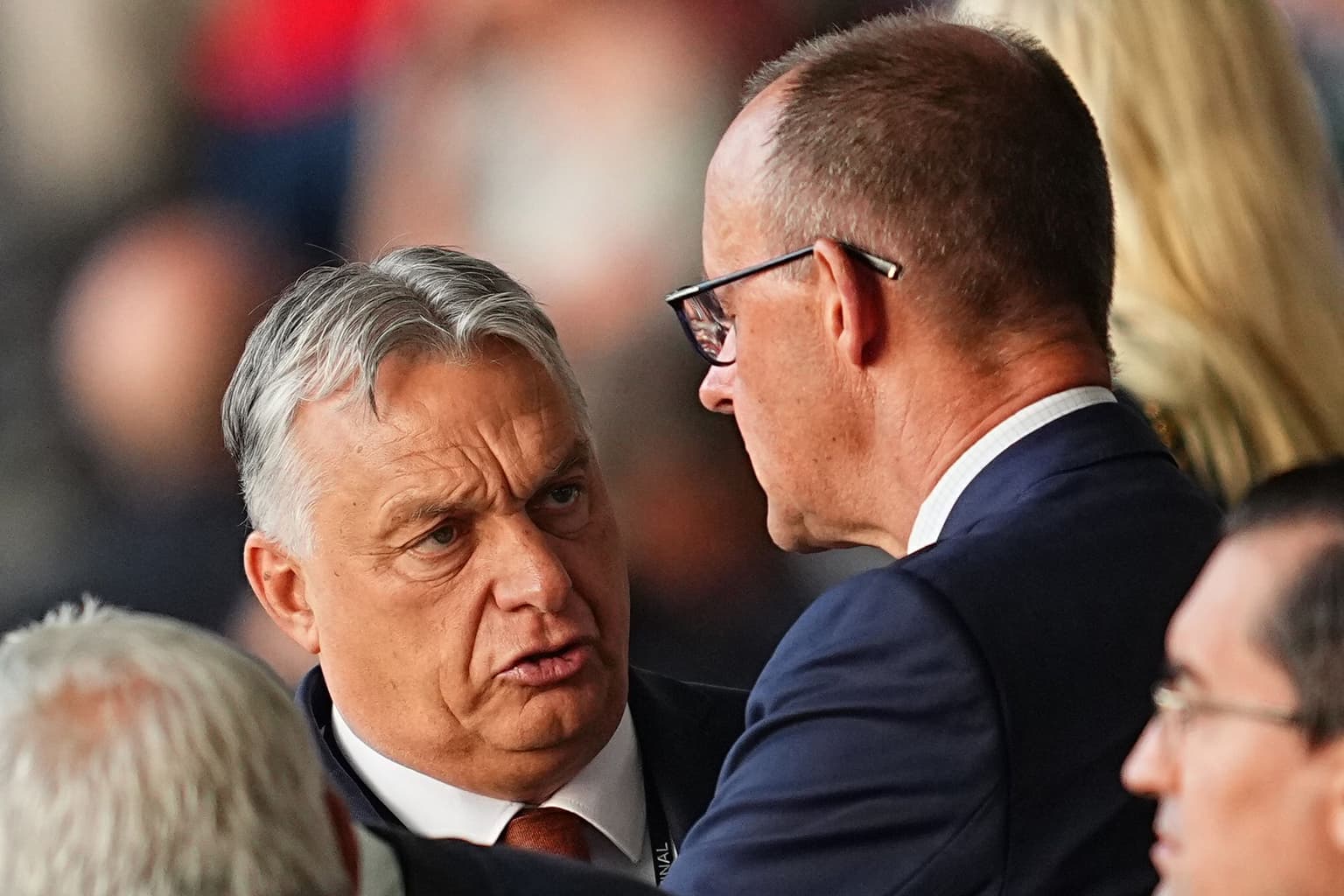
A tense summit in Brussels has laid bare a widening rift at the heart of the European Union, as Hungarian Prime Minister Viktor Orbán launched a blistering critique of German Chancellor Friedrich Merz, accusing him of pushing Europe toward “chaos” with a controversial plan to seize Russian state assets.
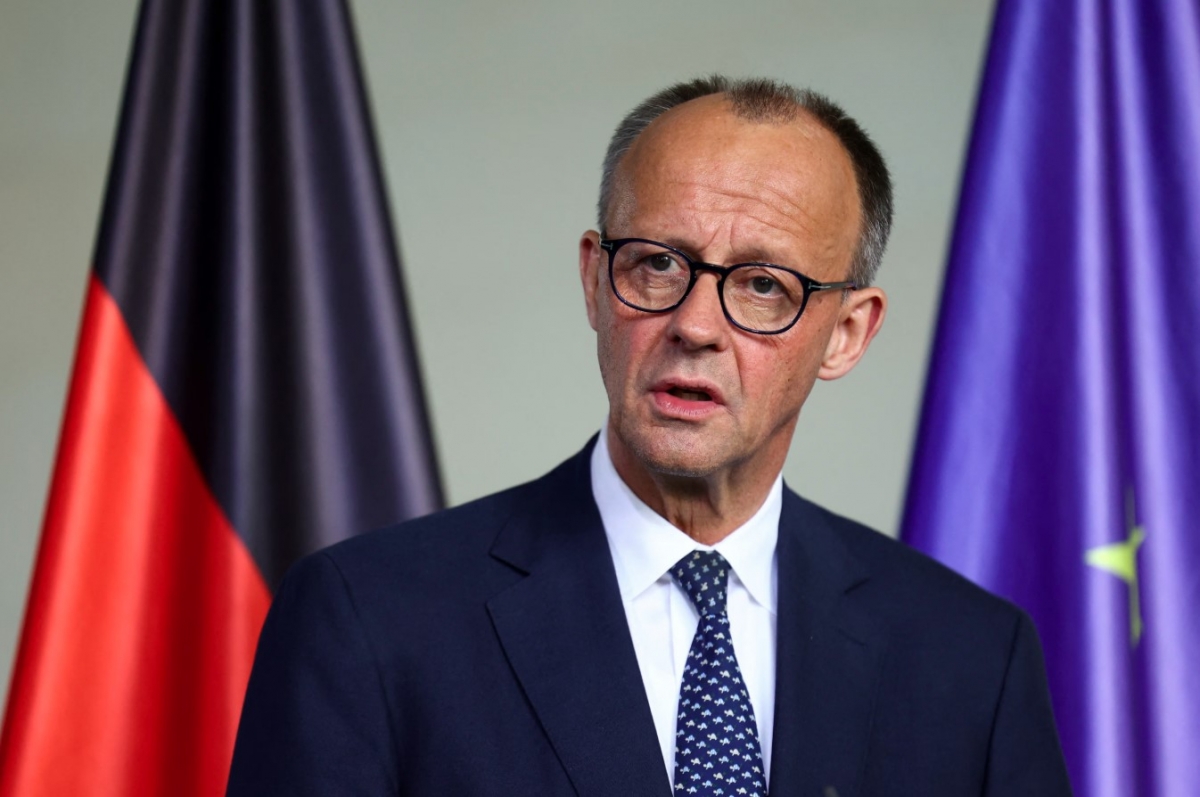
What was intended to be a defining moment of European unity instead unfolded as a stark display of division. Merz had arrived with a bold proposal: redirect hundreds of billions of euros in frozen Russian assets toward financing Ukraine’s war effort. The plan, framed as both a moral and strategic necessity, aimed to sustain Kyiv while easing the financial burden on European taxpayers.
But the reaction inside the closed-door session was far from unanimous. According to accounts circulating among diplomats, Orbán’s intervention transformed the tone of the meeting almost instantly. Rising to speak after Merz’s presentation, the Hungarian leader rejected the proposal in uncompromising terms, warning that it risked undermining the very legal and financial foundations on which Europe depends.
At the core of Orbán’s argument was a distinction between freezing assets and confiscating them. While sanctions that immobilize funds are widely accepted under international law, permanent seizure, he argued, crosses into legally ambiguous territory. Such a move, he suggested, could set a precedent that reverberates far beyond the current conflict.
The concern is not merely theoretical. Europe’s financial system, like that of other global markets, relies heavily on trust—particularly the expectation that property rights will be upheld regardless of political tensions. By challenging that principle, critics fear the proposal could unsettle investors and prompt capital to flow toward jurisdictions perceived as more stable.
Merz’s supporters, however, see the matter differently. With the war in Ukraine entering a prolonged and costly phase, they argue that innovative solutions are required. Redirecting Russian assets, in this view, represents a form of accountability—ensuring that Moscow bears the financial consequences of its actions rather than European taxpayers alone.

Yet even among allies, enthusiasm appears tempered. Several EU leaders reportedly responded with caution, emphasizing the need for legal clarity and coordination with international partners. The absence of strong public backing during the summit underscored the sensitivity of the issue and the difficulty of forging consensus.
Orbán’s critique extended beyond legal concerns to broader geopolitical implications. He warned that confiscation could alter how non-Western nations perceive Europe, potentially accelerating a shift away from Western financial systems. Countries holding significant reserves in euros or dollars, he suggested, might reconsider their exposure if they believe assets could be seized under political pressure.
This argument reflects a growing awareness of global economic competition. As emerging powers expand their influence, the stability and predictability of Western institutions remain key advantages. Any policy perceived as undermining those qualities could carry long-term strategic costs.
For Germany, the episode represents a diplomatic setback. Long regarded as a central pillar of European leadership, Berlin now faces the challenge of advancing its agenda in an increasingly fragmented political landscape. Merz’s proposal, while ambitious, has highlighted the limits of unilateral initiative within a union built on consensus.
The broader implications for the European Union are significant. The bloc has spent years presenting a united front in response to geopolitical crises, but internal اختلافات are becoming more visible. Diverging national interests, economic pressures, and political ideologies are complicating decision-making at a time when cohesion is most needed.
At the same time, the debate illustrates the evolving nature of European strategy. The initial phase of the Ukraine conflict was marked by rapid, coordinated action. As the war continues, however, questions about sustainability, legality, and long-term consequences are moving to the forefront.
For Ukraine, the outcome of these discussions carries tangible consequences. Continued financial and military support from Europe remains critical, and uncertainty over funding mechanisms adds another layer of complexity to an already challenging situation.
As the Brussels meeting concluded without a definitive agreement, officials opted to postpone the decision for further consultation—a familiar outcome in EU diplomacy, but one that underscores the depth of disagreement. Behind the formal language lies a more difficult reality: consensus is becoming harder to achieve.
Orbán’s warning—that Europe risks drifting into chaos—may be seen by some as overstated. Yet the intensity of the exchange highlights a deeper truth: the European Union is navigating one of the most complex periods in its history, where unity is tested not only by external threats but by internal divisions.
In the end, the clash between Orbán and Merz was more than a disagreement over policy. It was a reflection of competing visions for Europe’s future—one emphasizing decisive action and collective responsibility, the other cautioning against خطوات that could reshape the global order in unpredictable ways.
As Europe continues to grapple with these choices, the path it takes will help define not only the outcome of the current conflict, but the role it seeks to play in a rapidly changing world.






