UK PARLIAMENT SHOCK: RUPERT LOWE GRILLS STARMER ALLY IN BRUTAL CLASH OVER “GROWTH” STRATEGY
A tense parliamentary exchange has erupted into a viral political moment after Rupert Lowe delivered a relentless line of questioning that exposed deep uncertainty inside a key government department linked to Keir Starmer’s administration. What began as a routine committee session quickly escalated into a high-pressure interrogation over one simple issue: what does “growth” actually mean in government policy—and who is accountable for delivering it?

The confrontation centered on the government’s widely used phrase “regulating for growth,” a slogan frequently promoted by Chancellor Rachel Reeves. Lowe immediately challenged the logic behind the term, arguing that excessive regulation historically suppresses economic expansion rather than encourages it. His opening question—asking who even created the phrase—was met with uncertainty, setting the tone for what would become a deeply uncomfortable exchange for officials.
As the session progressed, Lowe shifted from rhetoric to substance, pressing for clear definitions and measurable outcomes. He questioned whether the department responsible for overseeing growth had actually defined what success looks like. When officials failed to provide concrete benchmarks—such as GDP targets or performance metrics—Lowe intensified his critique, suggesting that without clear goals, regulators cannot be properly held accountable.
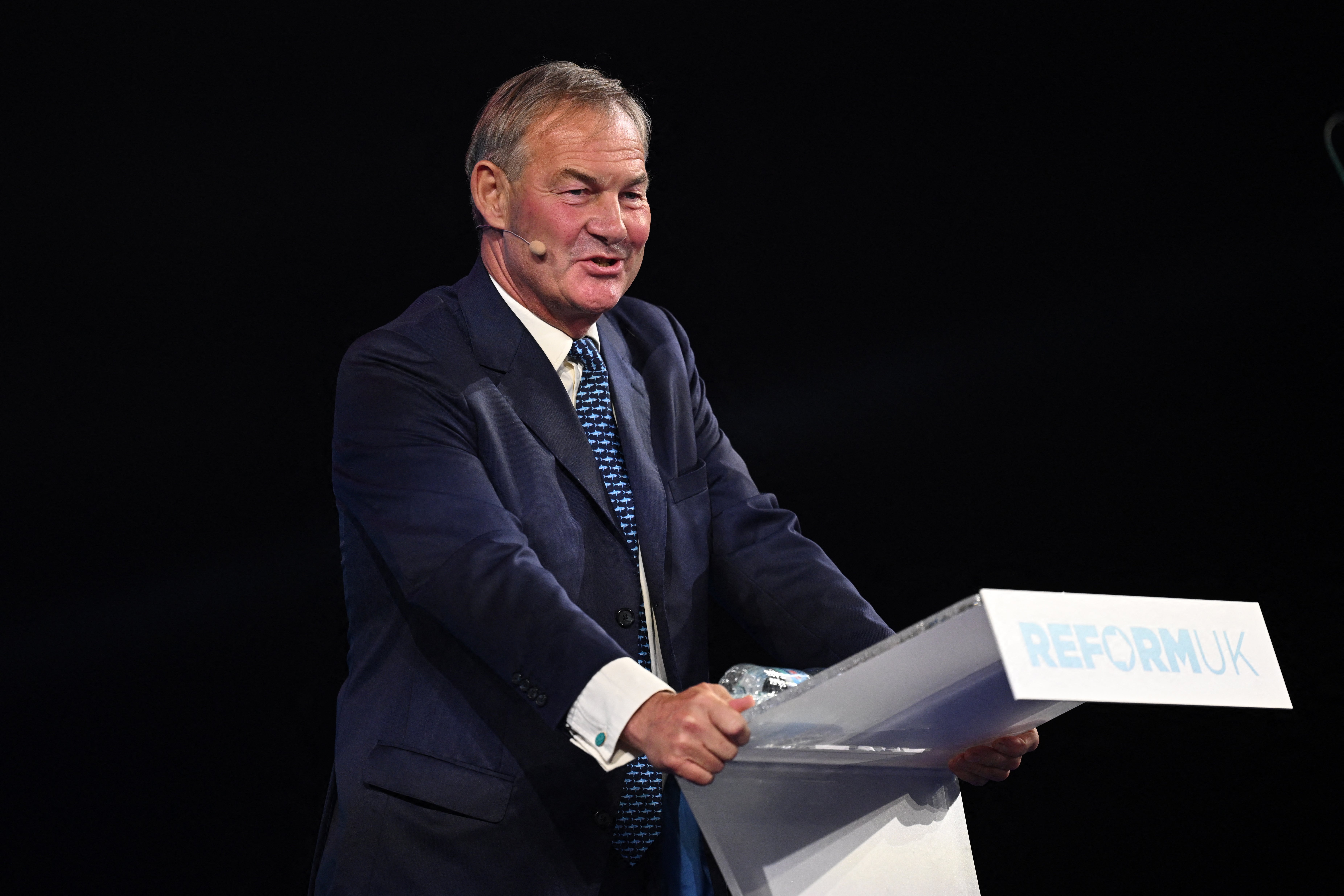
The most striking moment came when Lowe asked a direct question: how can regulators determine whether they are succeeding if no numerical targets have been set? The response confirmed that no specific quantified benchmarks had been provided. For critics, this admission reinforced concerns that major policy initiatives may be driven more by messaging than by measurable strategy.
Beyond the immediate exchange, the clash has reignited a broader debate about the role of unelected officials within the UK’s civil service. Lowe highlighted concerns that many key decisions are shaped behind closed doors by permanent secretaries and regulatory bodies that operate with limited public visibility. This dynamic, he argued, creates a gap between elected representatives and the actual execution of policy.
Supporters of the government maintain that economic growth is a complex, multi-dimensional objective that cannot always be reduced to a single number. They argue that flexibility allows regulators to adapt to changing market conditions. However, critics counter that without clear targets, policies risk becoming vague frameworks with little real-world accountability.
The exchange has quickly gained traction online, with many viewing it as a rare example of direct scrutiny cutting through bureaucratic language. Whether it leads to policy changes remains unclear, but one thing is certain: the debate over how governments define, measure, and deliver economic growth is now back in the spotlight—and under far greater public scrutiny.






