President Donald Trump engaged in a pointed exchange with an Irish journalist during a bilateral meeting at the White House on March 17, 2026, as part of annual St. Patrick’s Day observances with Irish Taoiseach Micheál Martin. The interaction, which occurred in the presence of the Irish prime minister, centered on questions about U.S. military involvement in Iran and drew attention to differing views on the conflict’s legality and broader consequences.
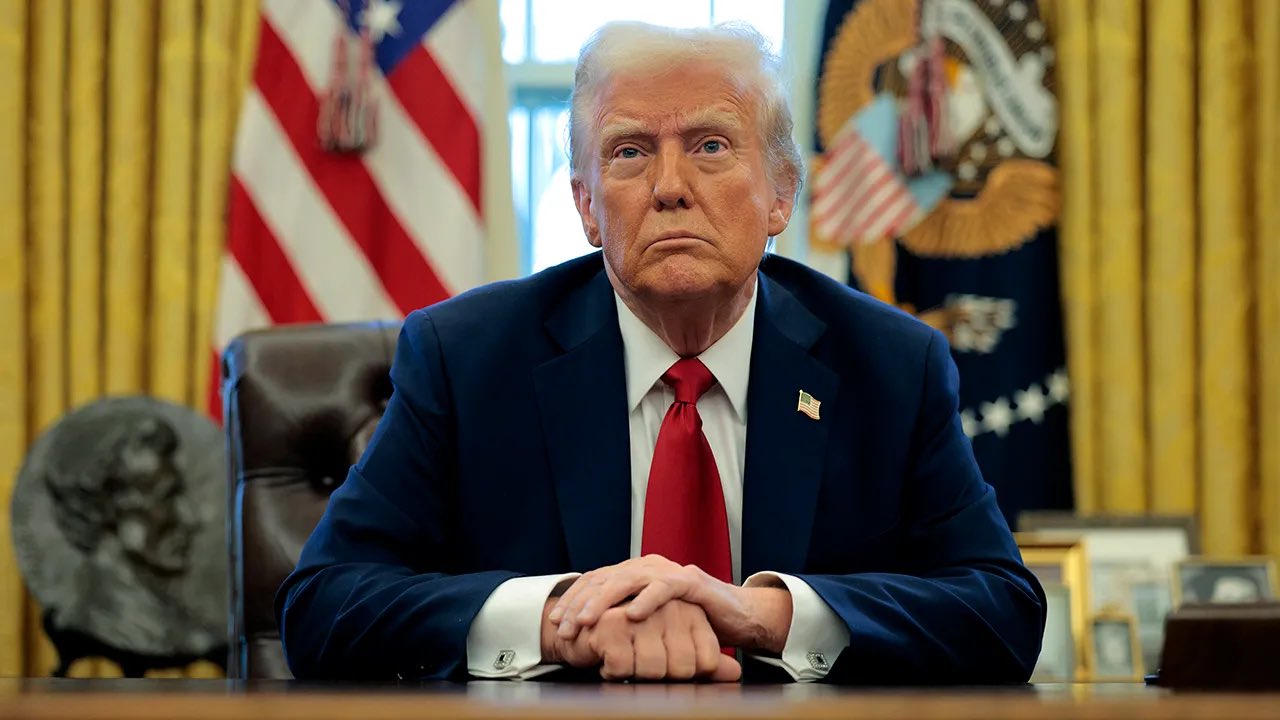
The session unfolded in the Oval Office and extended into a joint press appearance, where Trump and Martin addressed U.S.-Ireland relations alongside pressing international developments. An Irish reporter raised concerns expressed by Irish President Catherine Connolly, who had characterized U.S. actions against Iran as inconsistent with international law. The journalist referenced Connolly’s statements, prompting Trump to inquire further about the source before delivering a firm rebuttal. He asserted that critics should recognize the protective role of U.S. efforts, stating in reference to the Irish president that the individual was fortunate for American involvement in addressing perceived threats.
Trump also misgendered Connolly during the response, referring to her as “he,” an error that drew subsequent commentary but did not alter the substance of his position. He defended U.S. policy by framing Iran as a significant security risk, emphasizing the elimination of nuclear capabilities and the removal of key figures in Iran’s leadership structure. The president maintained that decisive action had weakened an adversarial regime, with implications for global stability.
The exchange reflected broader tensions in transatlantic relations amid the ongoing U.S.-Israeli military campaign against Iran. Irish officials, including Martin, have advocated for peaceful resolutions to conflicts, consistent with Ireland’s foreign policy tradition as a small nation favoring diplomacy. Martin interjected periodically during the meeting to underscore the need for de-escalation, noting that all conflicts eventually conclude and expressing Ireland’s preference for negotiated outcomes in the Middle East and elsewhere.
Discussions also touched on economic matters, including trade imbalances and energy prices. Another question from an Irish reporter addressed the impact of the Iran conflict on fuel costs in Ireland, with the journalist highlighting elevated prices attributed to regional instability. Trump responded by expressing confidence that the resolution of the conflict would lead to rapid price declines, assuring that Irish consumers would benefit once the situation stabilized. He noted personal connections to Ireland and reiterated optimism about post-conflict economic relief.

The bilateral engagement included traditional elements of the St. Patrick’s Day program, such as the presentation of a shamrock bowl symbolizing friendship between the nations. Martin used the occasion to call for peace in multiple regions, including the Middle East and Ukraine, while navigating a dynamic where much of the public commentary came from Trump. Observers described the atmosphere as dominated by the U.S. president’s extended remarks on foreign policy priorities, with Martin offering measured responses to maintain diplomatic balance.
Criticism of U.S. allies featured prominently in Trump’s comments. He expressed disappointment with certain NATO partners, particularly the United Kingdom under Prime Minister Keir Starmer, for limited participation in securing strategic waterways and supporting operations against Iran. Similar frustrations were directed at other European leaders, though the focus remained on broader alliance contributions rather than bilateral ruptures.
The meeting occurred against the backdrop of an active U.S. military posture in the region, with Trump describing Iranian forces as significantly degraded and leadership elements as effectively neutralized. He characterized the Iranian government in strong terms, comparing its actions to historical threats and underscoring the necessity of firm countermeasures to prevent nuclear proliferation.
For Ireland, the visit represented a delicate diplomatic exercise. Martin faced domestic expectations to address Ireland’s principled stance on international law and conflict resolution, while preserving strong economic and cultural ties with the United States. Analysts noted his approach as restrained yet substantive, gently pushing back on points of divergence without escalating confrontation.
Media coverage of the event highlighted the unusual intensity of the press session, with some outlets describing it as emblematic of Trump’s direct communication style. Irish journalists present in the room reported a sense of the discussion centering heavily on global security matters rather than purely ceremonial aspects of the holiday.

The incident with the reporter underscores the challenges of fielding international press inquiries during high-profile bilateral meetings, particularly when sensitive geopolitical topics dominate. Such moments can amplify perceptions of alignment or divergence between allies, even in settings intended to celebrate shared heritage.
As the Iran situation continues to evolve, diplomatic engagements like this one serve as indicators of how leaders manage differing viewpoints. The U.S.-Ireland relationship remains robust in trade, investment, and people-to-people connections, providing a foundation for ongoing dialogue despite policy disagreements on specific issues.
The St. Patrick’s Day tradition, dating back decades, facilitates annual leader-level contact and reinforces mutual interests. This year’s iteration, however, illustrated how global events can shift the tone from ceremonial to substantive, with implications for public understanding of alliance dynamics.
Moving forward, attention will likely remain on potential pathways toward resolution in the Middle East and the role of transatlantic coordination in addressing security challenges. For now, the exchange serves as a snapshot of the complexities involved in maintaining diplomatic relations amid active conflicts.






