Elizabeth Warren Calls for a Sharper Democratic Strategy Focused on Costs, Credibility, and 2026
In a wide-ranging interview following a speech that drew a direct response from the White House, Elizabeth Warren laid out what she described as a defining choice for the Democratic Party ahead of the 2026 midterm elections: whether to pursue incremental, donor-conscious politics or to mount a confrontational campaign centered on lowering costs for American families and challenging concentrated wealth.
The speech, delivered earlier in the day, argued that Democrats’ path to recovery after losses in 2024 depends on directly addressing economic pressures that voters feel daily—housing, health care, food, utilities, and debt—and on demonstrating a willingness to fight both Republicans and entrenched economic interests. Warren said the remarks prompted an unexpected phone call from Donald Trump, underscoring the political sensitivity of the issues she raised.
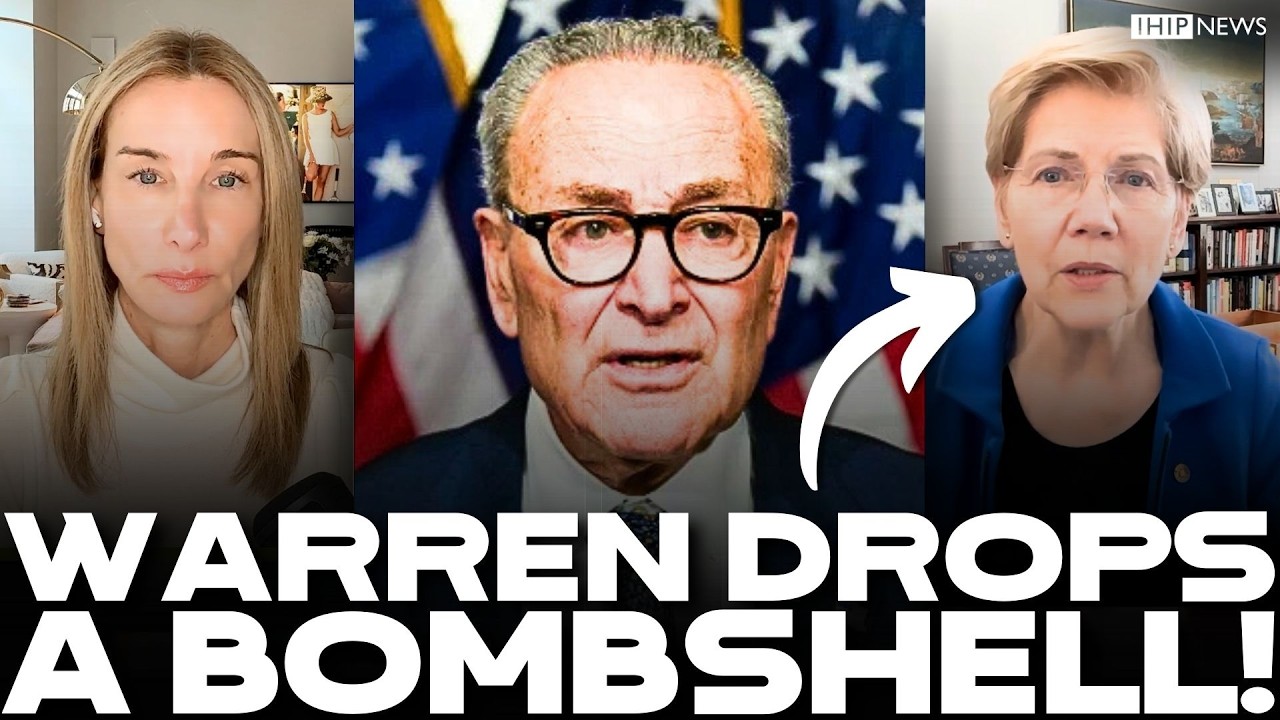
Two Visions of a “Big Tent”
Warren framed the current Democratic debate as a choice between two competing visions of party unity. One, she said, emphasizes caution—avoiding proposals that might unsettle major donors, softening rhetoric around corporate power, and advancing modest reforms. The other, which she favors, argues that Democrats must confront what she called a rigged economic system that has left families struggling while costs continue to rise.
“American families were promised lower costs,” Warren said, referring to Trump’s 2024 campaign message. “Instead, groceries, housing, health care, and utilities are all more expensive.” She argued that Democrats should explicitly connect those rising costs to Republican policies and present clear alternatives, even when those alternatives involve taxing billionaires or restricting corporate consolidation.
Political analysts note that this tension has been present within the party for decades but has intensified as economic dissatisfaction persists despite low unemployment and strong corporate profits. Warren’s remarks reflect a broader push by progressive Democrats to redefine credibility not through bipartisanship or moderation, but through visible confrontation with economic power.
Legislative Strategy Without Control of Congress
The interview also addressed a recurring concern among Democratic voters: what the party can realistically accomplish while in the minority. Warren acknowledged the frustration but pointed to a recent example she described as proof that meaningful action remains possible.
She cited a bipartisan housing supply bill she helped craft with Tim Scott, aimed at increasing the construction of homes for first-time buyers, renters, seniors, and people with disabilities. The legislation passed the Senate unanimously, an outcome Warren emphasized as evidence that Democrats can still advance policies that reduce costs.
The bill, however, has stalled in the House, where Republicans control the agenda. Warren said Democrats are prepared to move forward immediately if House leaders allow a vote. “It’s not about who gets credit,” she said. “It’s about lowering costs for families.”
The housing example reflects a broader Democratic strategy: passing or advancing popular legislation where possible, while using Republican obstruction as a campaign issue in 2026.
Leadership, Trust, and Internal Party Tensions

The conversation also turned to Democratic leadership, particularly the role of Chuck Schumer. While Warren did not call for changes in leadership, she acknowledged the depth of frustration among voters who question whether Senate Democrats are meeting the urgency of the moment.
She described the party’s internal debate as a “family conversation,” emphasizing that all Democratic lawmakers—not just leadership—must be engaged in a unified effort. “We’ve got 47 Democratic senators,” she said. “Every one of us needs to be on the front lines.”
Warren framed the issue less as a personnel dispute and more as a strategic realignment: focusing relentlessly on economic outcomes rather than procedural victories or donor relationships. Political observers note that this approach mirrors past Democratic inflection points, including the New Deal era and the lead-up to the Affordable Care Act.
Money, Credibility, and Campaign Financing
A central theme of the interview was credibility, particularly in relation to campaign financing. Warren argued that Democrats who rely heavily on corporate political action committee donations risk undermining their ability to persuade voters that they are serious about economic reform.
As an example, she pointed to her endorsement of Peggy Flanagan, the lieutenant governor of Minnesota, who is running in a competitive primary while refusing corporate PAC money. Warren said such decisions strengthen trust by aligning rhetoric with funding sources.
The argument reflects growing concern within the party that voter cynicism—fueled by decades of unmet economic promises—cannot be overcome without structural changes in how campaigns are financed. While party leaders continue to debate the practical limits of rejecting large donors, Warren insisted that credibility is now inseparable from independence.
A Call From the President
The most unexpected moment described in the interview came after Warren’s speech, when Trump called her directly. According to Warren, the president raised the issue of capping credit card interest rates, a proposal she has long supported and which Trump endorsed during his campaign but has not pursued legislatively.
Warren said she welcomed the call and reiterated her willingness to work with any administration to lower costs for families. During the conversation, she also raised the stalled housing bill, urging Trump to pressure House Republicans to move it forward.
The exchange highlights an unusual dynamic: sharp rhetorical conflict paired with occasional overlap on populist economic proposals. Whether that overlap translates into legislative action remains uncertain.
Looking Toward 2026
As Democrats prepare for the 2026 midterms, Warren argued that success depends less on messaging discipline than on tangible results. “It’s not about words,” she said. “It’s about getting the job done.”
Political analysts agree that cost-of-living issues are likely to dominate the election, particularly if inflation remains uneven across sectors. For Democrats, the challenge will be convincing voters not only that Republican policies failed to deliver relief, but that Democratic alternatives are both credible and achievable.
Warren’s intervention signals a push to define the party’s identity now, rather than waiting for the campaign season. Whether her approach becomes the dominant strategy—or one voice among many—may determine how voters judge Democrats’ readiness to govern in a volatile political moment.
As she put it, “This is the moment when we decide who we are.”






