BARDUFOSS, Norway — In the rugged, permafrost-bitten landscape of northern Norway, where tens of thousands of NATO troops are currently engaged in the largest Arctic maneuvers since the Cold War, the most significant explosion was not a munitions test. It was a silence.
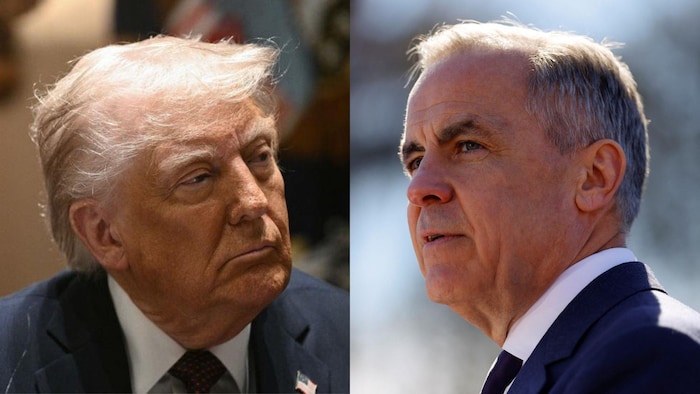
It happened inside a cramped, makeshift press room on the forward line of the alliance. A single question was leveled at Canadian Prime Minister Mark Carney: “Can the United States still be regarded as a fully trustworthy partner in the Arctic?”
For a heartbeat, the room—packed with the military brass of Europe and the world’s diplomatic press—held its breath. Mr. Carney’s response, a single, clipped “Yes,” followed by a pregnant, deliberate pause, did more to signal the fracturing of the North American security umbrella than any formal protest could have achieved.
The message was clear: Canada is no longer waiting for Washington.
The End of Deference
For nearly eight decades, the security of the Arctic was an article of faith in the “Special Relationship.” Through NORAD, the United States and Canada operated as a single defensive organism. But the return of Donald J. Trump to the global stage has introduced a volatile new variable into this frigid equation.
Mr. Trump’s recurring interest in the acquisition of Greenland—a fellow NATO territory—and his transactional view of mutual defense have transformed the High North from a zone of cooperation into a theater of apprehension. For Ottawa, the rhetoric is no longer dismissed as campaign trail bluster; it is treated as a strategic warning.
Standing shoulder-to-shoulder with the Norwegian and German leadership, Mr. Carney outlined a new “Arctic Stewardship” doctrine that marks the most significant pivot in Canadian foreign policy in a generation. It is a doctrine born of a realization that in a world of “America First,” a middle power must put itself first, or risk being left out in the cold.
A $40 Billion Bet on Sovereignty
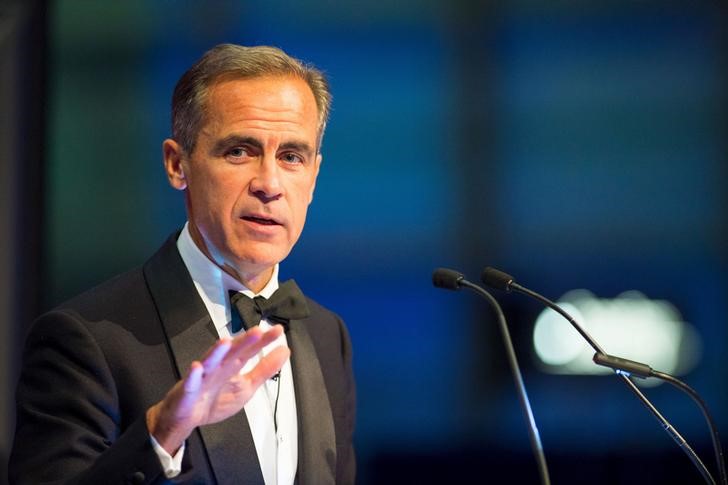
The Carney administration is backing this shift with more than just rhetoric. Ottawa has committed $40 billion to a comprehensive Arctic overhaul—a sum that targets not just defense, but the fundamental infrastructure of sovereign control.
The plan includes a year-round military and surveillance presence, the construction of deep-water ports, and a resilient communications grid designed to survive the harsh polar climate. More importantly, it signals an end to what diplomats call “default deference.”
“We are moving from a model of shared defense to one of claimed ownership,” said a senior Canadian defense official on the margins of the Norway exercises. “We still value the partnership with Washington, but we are building the redundancies to ensure that a policy reversal in the Oval Office doesn’t leave our northern flank exposed.”
The European Pivot
Perhaps the most jarring development for the Trump administration is Mr. Carney’s aggressive cultivation of a “Northern Flank” coalition. By deepening intelligence and operational ties with Norway, Germany, and the Nordic states, Canada is creating a distributed alliance model that operates within NATO but functions independently of American whims.
Norway, which monitors the pulse of Russian submarine activity in the High North, and Germany, Europe’s industrial engine, are increasingly finding common cause with a Canada that speaks the language of “multilateral reliability.” They are forming an informal bloc of capable, like-minded nations prepared to share the burden of Arctic security—and the rewards of its emerging resources.
As the polar ice cap retreats, revealing vast reserves of critical minerals and opening sea lanes that could shave weeks off global shipping times, the stakes are no longer just military; they are existential. Russia has already militarized its Arctic coastline, and China has declared itself a “near-Arctic state.” In this “New Great Game,” the absence of a consistent American strategy has left a vacuum that Mr. Carney is move-by-move attempting to fill.
Conclusion: The Architecture of Independence
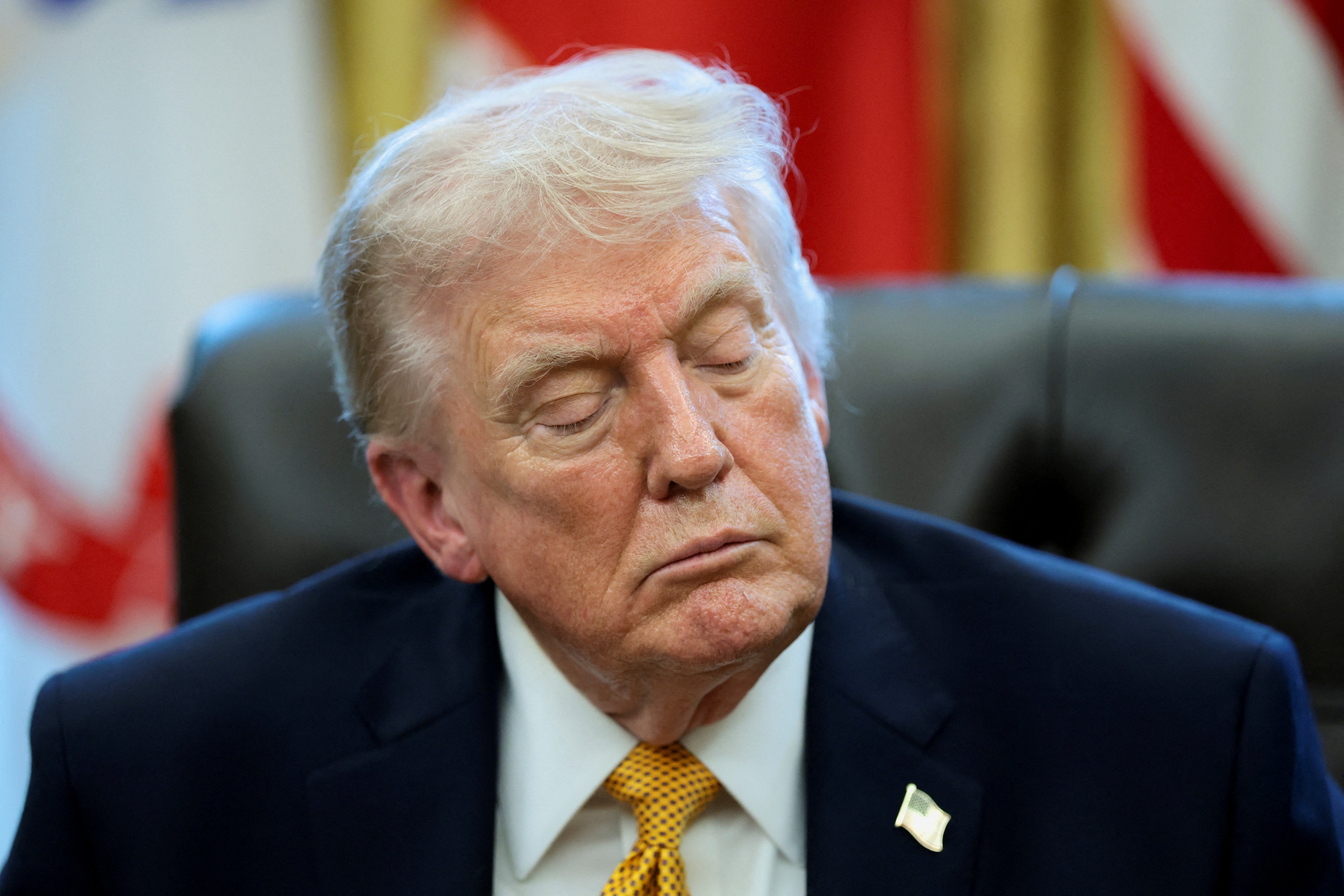
The exchange in Norway was not just a press conference moment; it was the unveiling of a new geopolitical geometry. Mr. Carney’s meticulously crafted response—acknowledging the past reliability of the U.S. while signaling a future of Canadian self-sufficiency—suggests that the era of a single, undisputed center of gravity within the Western alliance is over.
In its place is a more complex, resilient, and distributed model of power. Canada is no longer just a junior partner in the defense of North America; it is positioning itself as a proactive leader of the Arctic’s future.
As the generals and diplomats filed out of the room in Bardufoss, the silence lingered. The world had just seen the “51st state” rhetoric meet its match in the form of a former central banker who knows exactly how to hedge against a volatile asset. The Arctic is thawing, and so too is the long-standing structure of the Western alliance.






