LONDON — Diplomatic history is often marked by grand treaties or summit handshakes. But this week, at 10 Downing Street, history was written by a thundering silence and a single word: “No.”
In a rare direct confrontation that has shaken the foundations of NATO, the administration of President Donald J. Trump has met a synchronized rebuff from its closest allies. From Berlin to Tokyo, and from Canberra to London, nations that have long served as the pillars of the Western order have rejected Washington’s demand to deploy warships to the Strait of Hormuz—where one-fifth of the world’s oil supply sits blockaded following unilateral military operations by the United States and Israel.
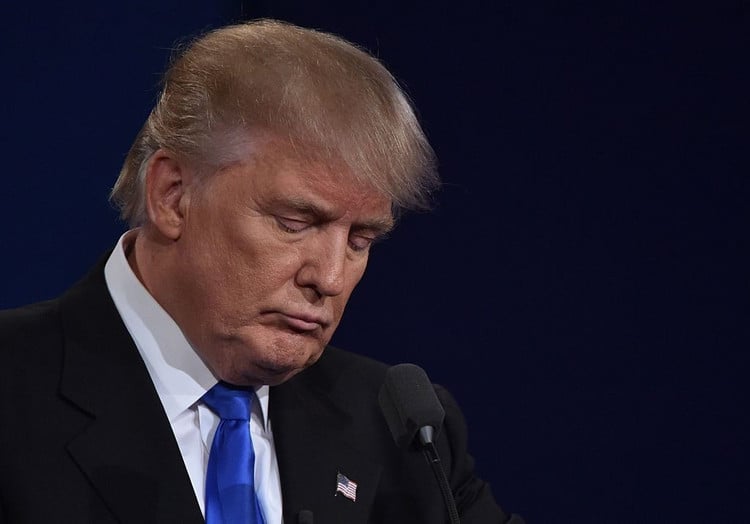
A Solitary War
The fracture began on February 28, when the U.S. and Israel launched strikes against Iran without consulting or notifying a single ally. The fallout was immediate: Tehran shuttered the Strait of Hormuz, sending oil prices surging past $100 a barrel and plunging the global economy into a state of red alert.
Rather than seeking a multilateral diplomatic solution, President Trump, speaking from Air Force One, issued an ultimatum: Allies must send their navies to “clean up the mess” or face “very bad consequences for the future of NATO.”
The response from Europe and Asia was not subservience, but indignation. Germany spoke first and loudest. Defense Minister Boris Pistorius, in a statement considered the most devastating blow to a U.S. President’s credibility in NATO history, turned the question back on Washington: “What does Trump expect a handful of European frigates to do that the powerful U.S. Navy cannot do?”
“This is not our war,” Mr. Pistorius emphasized. “We did not start it.”
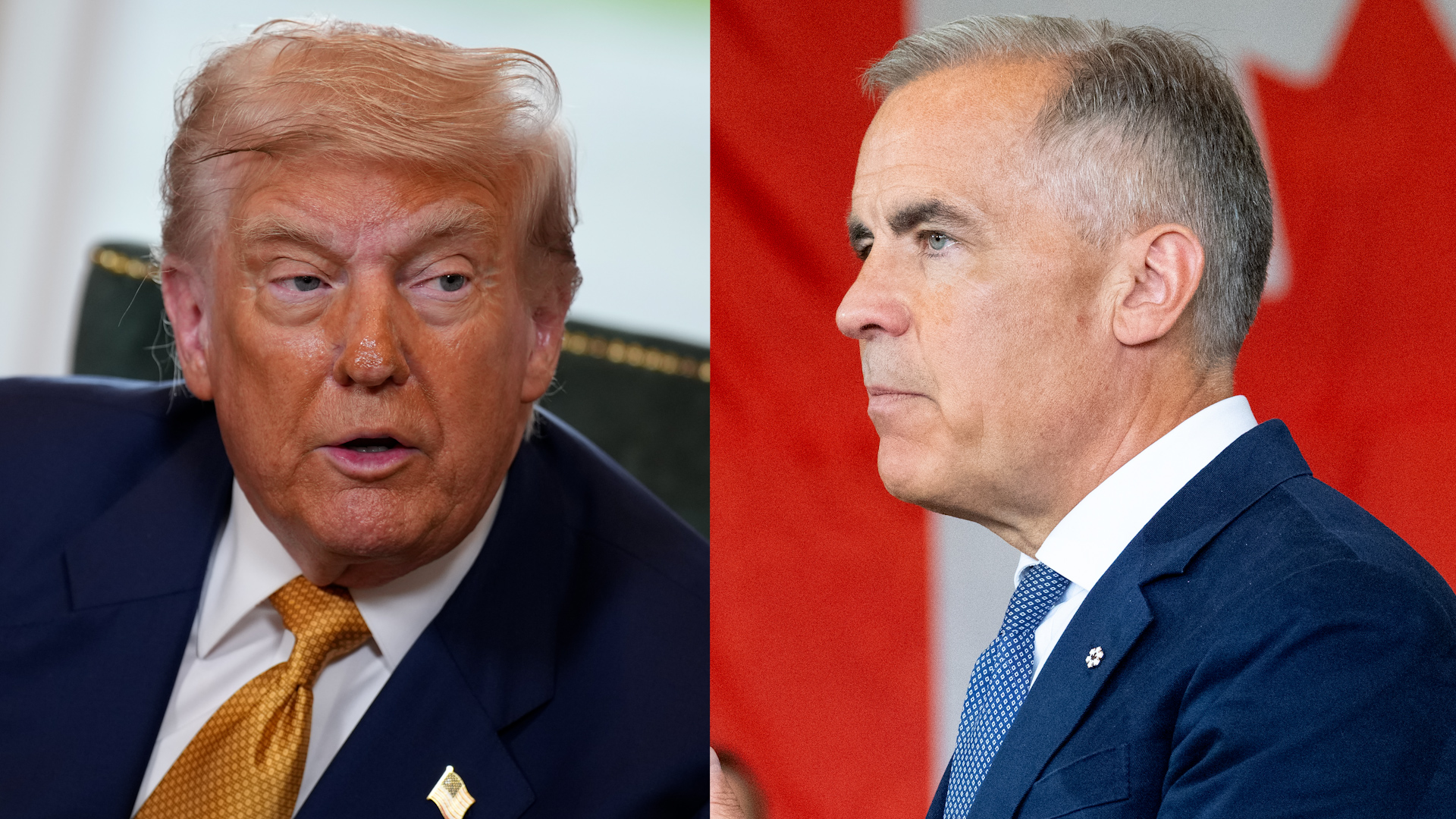
The Carney Doctrine of Stability
While Washington was busy with threats, Canadian Prime Minister Mark Carney was executing a starkly different roadmap. In a single week, Mr. Carney appeared at three strategic locations: a frozen NATO base in the Arctic alongside the German Chancellor, a summit with five Nordic leaders in Oslo, and finally, Downing Street with British Prime Minister Keir Starmer.
The contrast could not have been clearer. While Mr. Trump demanded absolute obedience, Mr. Carney built consensus. In London, standing beside Mr. Carney, Prime Minister Starmer stated firmly that Britain would not be drawn into a wider conflict and that this “will not be a NATO mission.”
The Nordic leaders, already wary of polar insecurity, publicly thanked Carney for Canada’s leadership. Iceland’s Prime Minister went as far as to declare that Canada was “filling the void of power” left by Washington.
The Paradox of Power
The most shocking detail in reports from Reuters and the Associated Press this week lay not in political rhetoric, but in military reality: Even the U.S. Navy has reportedly been declining daily requests to escort commercial vessels through the Strait because the risk is considered too high.
For a U.S. President to demand that allies accept risks his own military deems too dangerous has created a “black hole” of trust. It transforms the alliance from a mechanism of mutual protection into a master-servant dynamic, where risk is outsourced to subordinates while the benefits remain at the top.
“Trust does not wait, and alliances do not last forever without respect,” noted Melissa Carraway, a geopolitical analyst. “Every defense agreement Mr. Carney signed in Norway or the commitments made in London have specific budgets and timelines. They are enduring entities, in sharp contrast to the volatile social media posts emanating from Washington.”
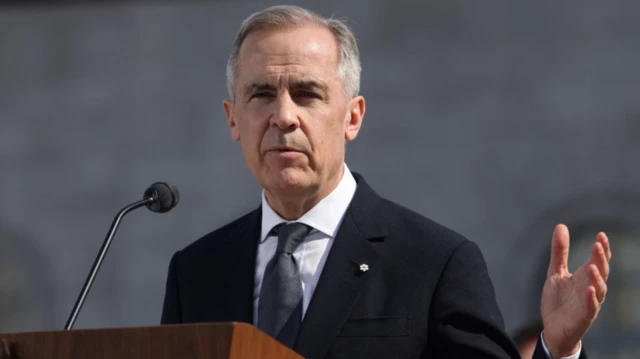
Conclusion: A New Order?
High oil prices are strangling families from Toronto to Berlin, and reopening the Strait of Hormuz is a top priority. However, the price allies are being asked to pay to “correct” a unilateral decision appears too high—not just militarily, but in terms of national sovereignty.
This week, the world witnessed a quiet but profound shift in power. One leader demanded obedience and received only silence. Another appeared, stood shoulder-to-shoulder with partners, and earned respect.
Canada, under Mark Carney, seems to have found a new position: not as a follower, but as a bridge. Meanwhile, Washington faces a cold reality: When you demand submission instead of cooperation, you may find yourself standing alone on the global stage.






