Two words… and a century-old alliance starts to crack.
What Trump said didn’t just offend Canada—it may have changed the future of North America.
A single moment. A single phrase. And suddenly, one of the world’s most stable alliances is under intense strain.
When Donald Trump publicly described Canadians as “dumb” and “nasty,” the reaction was immediate—and explosive. But this wasn’t just another controversial remark. It landed like a shockwave across Ottawa, transforming simmering tensions into something far more serious.

Because behind those words lies a deeper shift—one that could redefine the relationship between the United States and Canada for years to come.
For over a century, the border between the two nations has symbolized something rare in global politics: trust. It’s the longest undefended border in the world, where goods, people, and ideas have flowed freely, binding two economies so closely they often function as one.
That trust is now being tested.
In Canada, the reaction wasn’t just outrage—it was a sense of betrayal.
This is a country that has stood alongside the United States in its most difficult moments, from global conflicts to the aftermath of 9/11. The relationship has always been more than transactional—it has been rooted in shared values and mutual respect.
Trump’s remarks struck at that foundation.
But the tension didn’t begin with words—and it won’t end with them.
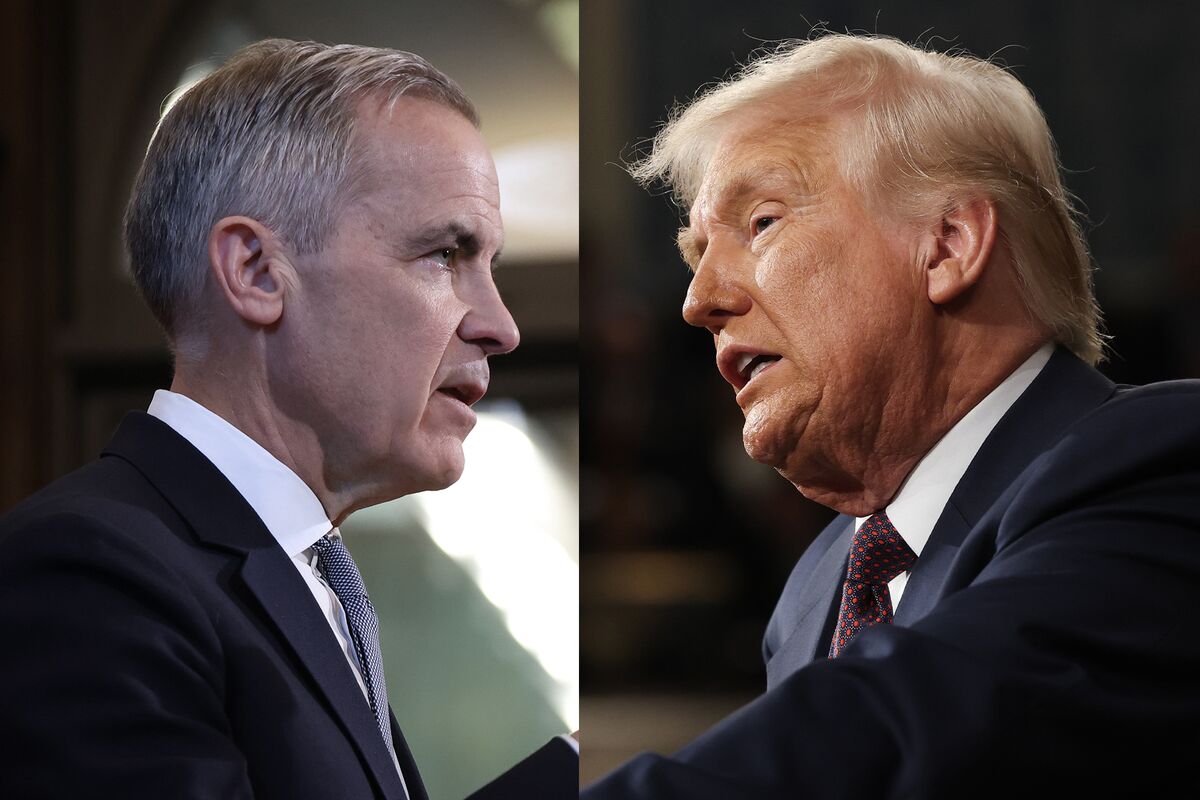
In recent months, Washington has imposed sweeping tariffs—up to 25%—on key Canadian exports including steel, timber, and energy. Officially framed as security measures, these policies are widely viewed in Ottawa as economic pressure tactics.
And Canada is not staying silent.
Under Prime Minister Mark Carney, the response has been calculated, precise, and strategic. Instead of escalating rhetoric, Canada has responded with targeted counter-tariffs—aimed directly at politically sensitive industries in the United States.
Florida citrus. Kentucky bourbon. Key electoral strongholds.
It’s a message delivered not through speeches—but through economic impact.
And it’s working.
What’s unfolding is no longer just a trade dispute—it’s a strategic confrontation over influence, independence, and the future of North American cooperation.
But the most consequential shift may be happening quietly, behind the scenes.
For decades, Canada’s economy has been deeply intertwined with the United States. Now, that dependency is being re-evaluated in real time.
As tensions rise, Canada is accelerating efforts to diversify its partnerships—redirecting energy and agricultural exports toward Europe, Japan, and increasingly, China.
This “eastward pivot” could have lasting consequences.
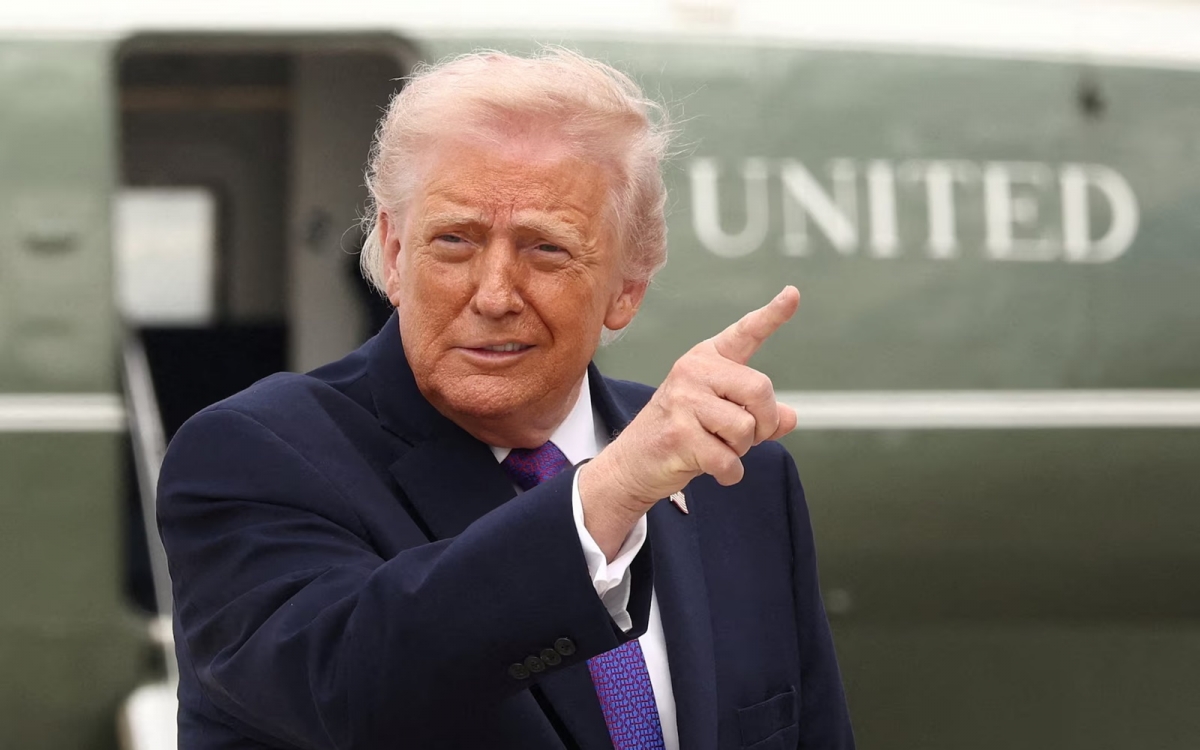
Every deal signed outside the U.S. reduces Washington’s leverage. Every new partnership reshapes global supply chains. And for the United States, the risk is clear: pushing its closest ally away may strengthen its biggest competitors.
China, in particular, stands to gain.
For years, Beijing has sought deeper access to North American resources. Now, as Canada looks beyond its southern neighbor, that opportunity is becoming more tangible than ever.
But beyond economics, something deeper is changing.
Public sentiment.
A new generation of Canadians is beginning to view the United States differently—not as a reliable partner, but as an unpredictable power capable of turning cooperation into pressure.
That shift matters.
Because alliances are not sustained by agreements alone—they are built on perception, trust, and shared identity. Once those begin to erode, rebuilding them becomes far more difficult.
Prime Minister Carney appears to understand this.
Rather than reacting emotionally, he is positioning Canada for a long-term transformation—one focused on reducing dependency, expanding global ties, and redefining national sovereignty in a changing world.
And in doing so, he may be reshaping Canada’s role on the global stage.
The irony is hard to ignore.
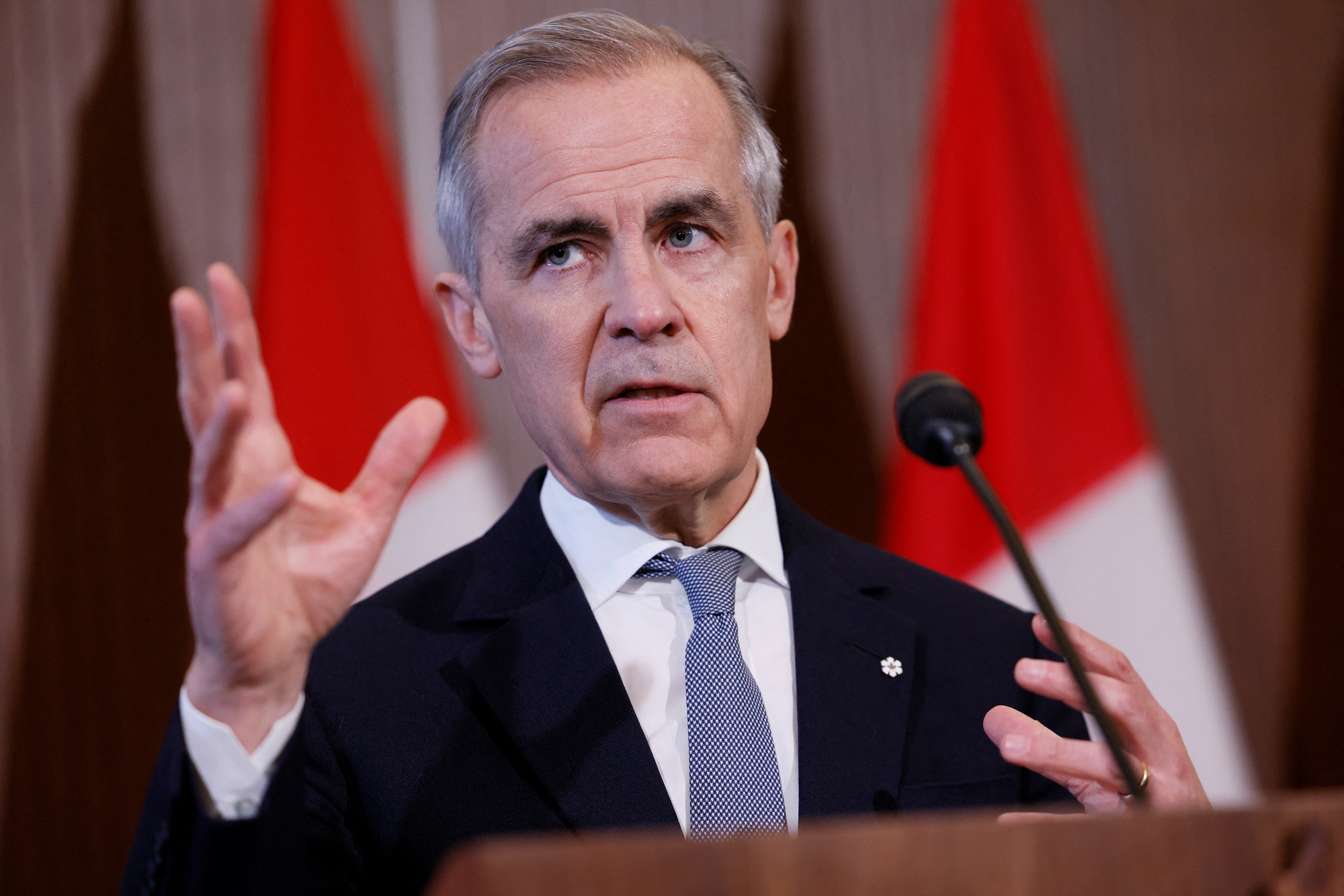
An attempt to assert strength through pressure may end up weakening the very influence it was meant to reinforce.
Because when a partnership becomes a power struggle, both sides are forced to reconsider what they truly stand to gain—or lose.
Trump’s words may have sparked outrage.
But their real impact lies in what comes next.
Because this is no longer just about an insult.
It’s about whether one of the world’s closest alliances can survive a moment that has exposed just how fragile it may have become.