
OTTAWA — For decades, the economic relationship between the United States and Canada has been defined by a comfortable, if lopsided, intimacy. Washington was the sun around which the Canadian economy orbited, a gravitational force so strong that nearly three-quarters of Canada’s exports inevitably fell toward the American border.
But this week, that orbit was shattered.
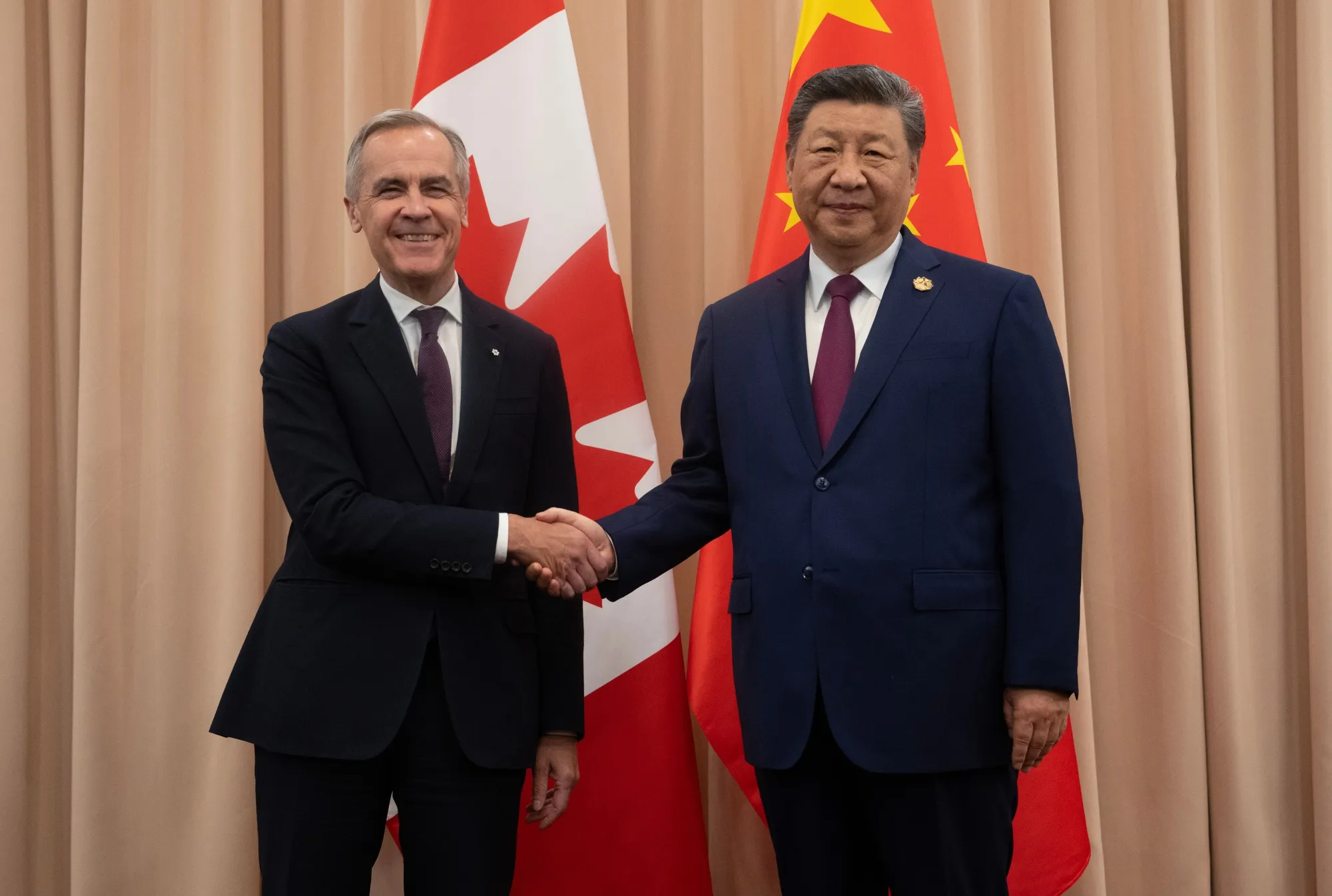
In a move that represents the most significant act of diplomatic defiance in a generation, Prime Minister Mark Carney’s government has finalized a comprehensive trade agreement with Beijing, directly ignoring a 100 percent tariff threat from Donald J. Trump. The message from Ottawa is clinical and unmistakable: Canada is no longer willing to have its economic sovereignty held hostage by the unpredictability of the White House.
The Deal that Broke the Mold
The agreement, finalized during Mr. Carney’s recent mission to Beijing, is a masterclass in strategic diversification. On the surface, it provides immediate relief to Canadian agricultural sectors—canola, beef, and lobster—that have long been caught in the crossfire of geopolitical tensions. China has agreed to slash tariffs on these products, reopening a massive market to Canadian farmers and fishermen who have felt the squeeze of American protectionism.
However, it is the provision regarding electric vehicles (EVs) that has sent shockwaves through the West Wing. Canada has moved to drop its tariffs on Chinese-made EVs from a prohibitive 100 percent to a mere 6 percent. By allowing tens of thousands of affordable, Chinese-manufactured electric vehicles into the Canadian market annually, Mr. Carney is not just prioritizing consumer access; he is effectively decoupling Canada from the American automotive supply chain’s defensive wall.
A Backfire of ‘Bully’ Tactics
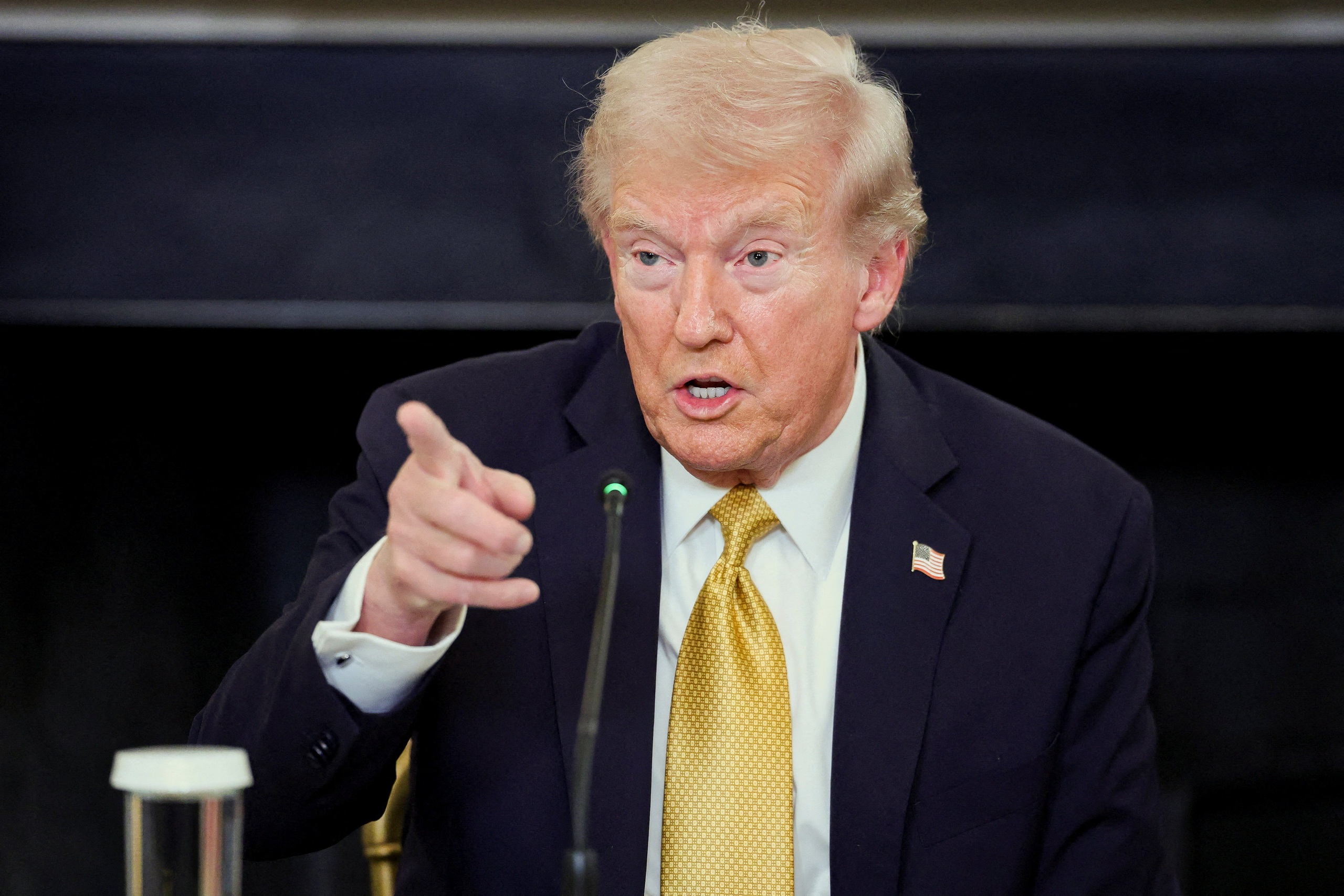
In January, Mr. Trump attempted to preempt the deal with a characteristically blunt instrument: a threat to impose a 100 percent tariff on all Canadian goods if Ottawa moved toward Beijing. The gamble was based on a historical assumption—that Canada, fearing economic ruin, would eventually retreat into the security of the North American fold.
Instead, the threat became the catalyst for the very behavior it sought to prevent.
“The Prime Minister didn’t blink; he pivoted,” said a senior trade advisor in Ottawa, speaking on the condition of anonymity to discuss sensitive cabinet deliberations. “When Washington treats a partner like a subordinate, it shouldn’t be surprised when that partner looks for other friends. Mr. Trump didn’t stop the deal; he made the political case for it.”
By framing the China deal as a matter of national sovereignty rather than mere commerce, Mr. Carney has tapped into a growing Canadian fatigue with American economic coercion. The strategy, dubbed “Strategic Diversification,” aims to fundamentally reduce Canada’s reliance on the U.S. market over the next decade, ensuring that no single foreign capital can dictate Ottawa’s domestic policy.
The Sovereignty Stake
The implications of this decoupling extend far beyond the price of beef or the availability of budget EVs. It represents a fundamental rethinking of what it means to be a “middle power” in a multi-polar world.
For the first time since the inception of NAFTA, Ottawa is signaling that it is prepared to weather a trade war with its largest partner to secure a future independent of it. This isn’t just about trade numbers; it’s about a nation demanding to be treated as an equal.
In Washington, the reaction has been a mix of fury and dawning realization. Critics of the administration’s approach argue that by overplaying his hand, Mr. Trump has handed Beijing a strategic victory on a silver platter. China did not need to fire a shot or issue a single threat; it merely had to offer a fair deal to an ally that felt ignored by its protector.
The Innovation Gap
While the American auto industry remains shielded behind high tariff walls—walls that many analysts argue protect stagnation as much as jobs—Canada is betting on the future. By opening the gates to Chinese EVs, Ottawa is forcing its own market to adapt to the reality of affordable green transportation.
It is a high-risk gamble. If Mr. Trump follows through on his 100 percent tariff threat, the short-term economic pain for Canada will be severe. But the Prime Minister appears to have calculated that the long-term cost of continued subordination is even higher.
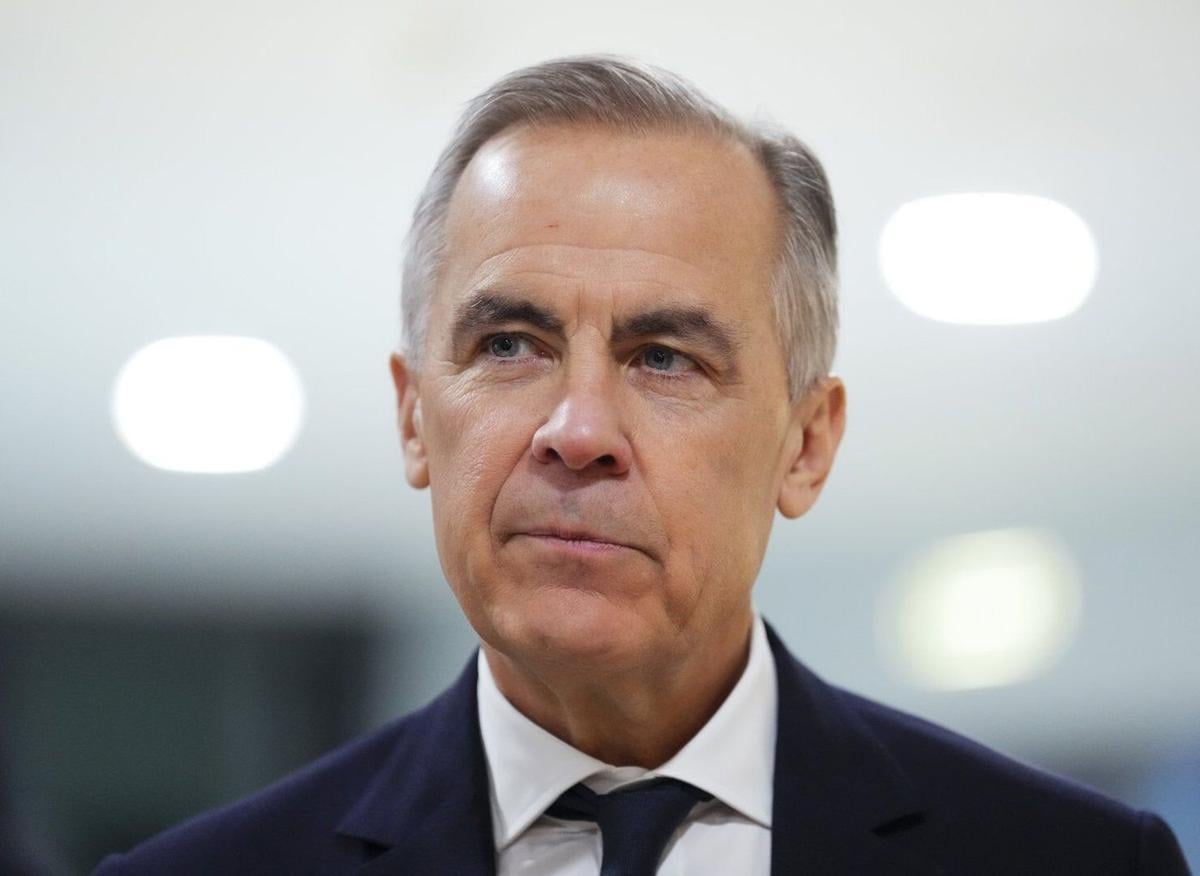
“Alliances only work between equals,” Mr. Carney noted in a recent address, a line that is being read in Washington as a direct challenge to the “America First” doctrine.
Conclusion: A New Continental Geometry
As the first shipments of Chinese EVs prepare to dock in Vancouver and the first crates of Canadian beef head for Shanghai, the geography of North American trade is being permanently rewritten.
Washington can no longer assume that the “special relationship” is a one-way street of compliance. Canada has found its voice, and it is speaking a language that Washington didn’t expect to hear: the language of independence. The North Star has its own compass now, and it is pointing West.






