A fierce exchange inside the House of Commons has ignited a nationwide debate, placing immigration enforcement, public sentiment, and political accountability at the center of Britain’s most heated discussion.

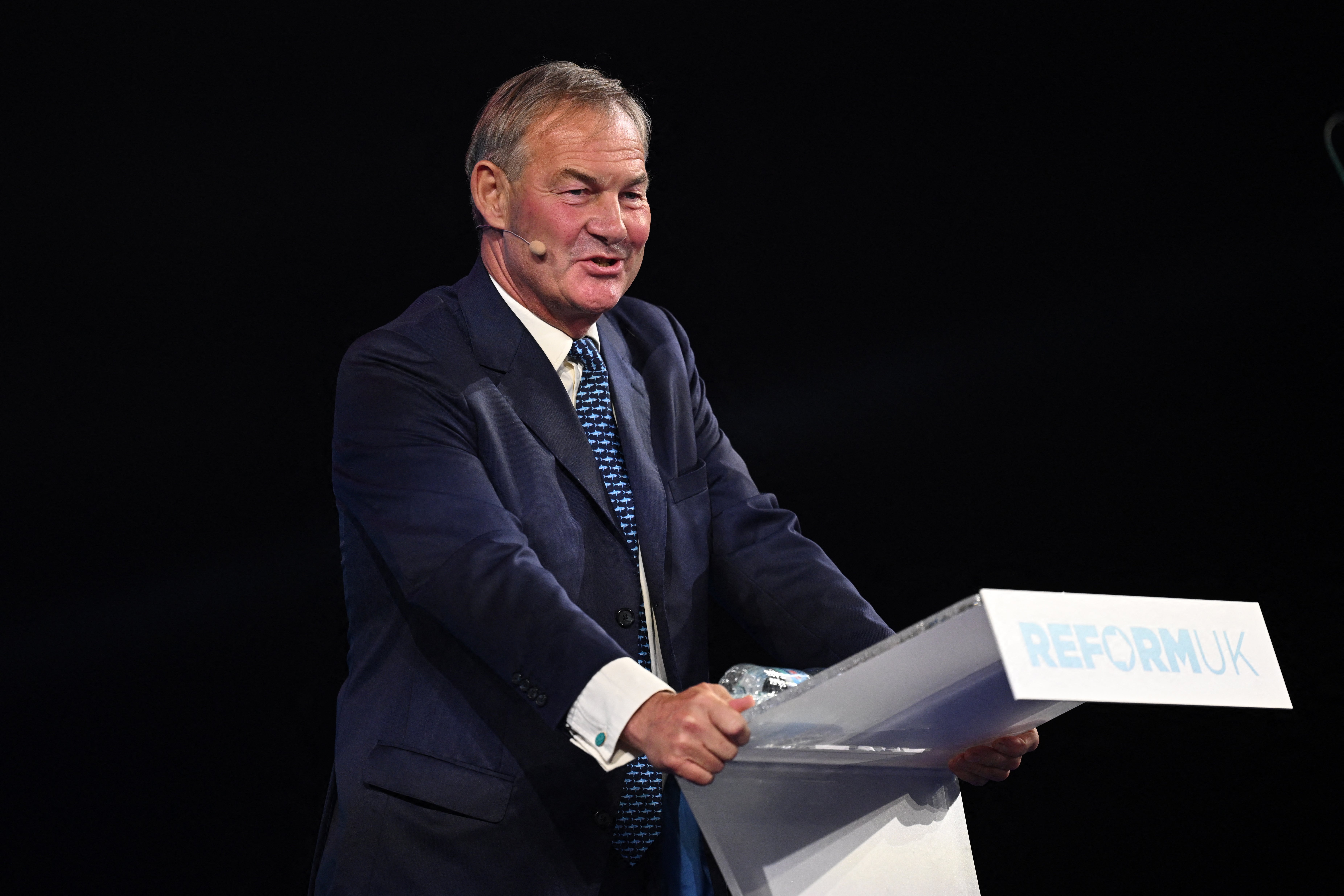
At the heart of the storm is Rupert Lowe, whose forceful parliamentary intervention has triggered a wave of reactions from lawmakers, commentators, and citizens across the United Kingdom.
During the exchange, Lowe argued that significant portions of the public feel current immigration enforcement measures are failing, pointing to concerns about legal delays, deportation barriers, and perceived gaps in policy effectiveness.
His remarks immediately drew a sharp response from another MP, transforming the session into a high-intensity confrontation that quickly moved beyond policy details into broader questions of fairness, identity, and national direction.
Clips of the moment spread rapidly across X and YouTube, where millions began dissecting the arguments and forming strong, often opposing opinions.
Supporters of Lowe’s stance argue that the issue reflects genuine public concern, emphasizing the need for clearer enforcement mechanisms and more decisive action to maintain confidence in the system.

They claim that prolonged legal processes and complex appeals structures can undermine the effectiveness of immigration controls, creating frustration among those who expect consistent application of the law.
Critics, however, caution against framing the issue in overly broad terms, warning that sweeping generalizations risk undermining social cohesion and fairness, particularly in a diverse society with multiple communities.
They stress that immigration policy must remain grounded in legal principles, human rights obligations, and the recognition of individual circumstances rather than collective assumptions.
The intensity of the exchange highlights a deeper tension within British politics, where competing priorities—security, fairness, economic needs, and social integration—often intersect in complex ways.
Observers note that such debates are not new, but the scale of public engagement has increased significantly in the digital era, where moments of conflict can quickly become national talking points.

The role of media framing has been central in shaping the narrative, with different outlets emphasizing different aspects of the confrontation depending on their editorial perspectives.
Some reports focus on the urgency of addressing enforcement challenges, while others highlight the risks of polarizing rhetoric and its potential impact on community relations.
This divergence reflects broader patterns in information consumption, where audiences often encounter content that aligns with their existing views, reinforcing divisions rather than bridging them.
Experts in political communication suggest that while strong language can draw attention to important issues, it can also make constructive dialogue more difficult if it leads to entrenched positions.
At the same time, they acknowledge that public frustration can drive political change, particularly when large segments of the population feel their concerns are not being adequately addressed.
The question of where to draw the line between legitimate security concerns and broader policy approaches remains central to the debate, with no easy answers emerging.
Within Parliament, calls for more detailed discussion are growing, as lawmakers seek to move beyond headline-grabbing moments toward practical solutions that can command broad support.
These solutions may involve reforms to legal processes, increased resources for enforcement agencies, and clearer communication about how policies are implemented in practice.
At the same time, there is recognition that any changes must be carefully balanced to ensure that they do not compromise fundamental rights or create unintended consequences.
Public reaction continues to evolve, with some citizens expressing strong support for stricter measures, while others emphasize the importance of maintaining inclusivity and respect for diversity.
This range of perspectives underscores the complexity of the issue, as it touches on deeply held beliefs about identity, fairness, and the role of the state.
Social media will likely remain a key arena for debate, as users continue to share clips, commentary, and personal experiences related to the broader موضوع.
The speed at which narratives form in this environment can influence political agendas, shaping how issues are prioritized and addressed by decision-makers.
For political leaders, the challenge lies in responding to public concerns while maintaining a commitment to evidence-based policy and responsible governance.
For the public, the moment serves as an opportunity to engage with the issue thoughtfully, considering both the immediate concerns and the long-term implications of different approaches.
Ultimately, the significance of Lowe’s intervention lies not only in the content of his remarks but in the wider conversation it has sparked across the country.
As Britain continues to navigate the complexities of immigration policy, debates like this will play a crucial role in shaping the direction of future decisions.
Whether the outcome leads to meaningful reform or further division will depend on how effectively different perspectives can be brought together in pursuit of common ground.
Observers note that such debates are not new, but the scale of public engagement has increased significantly in the digital era, where moments of conflict can quickly become national talking points.
The role of media framing has been central in shaping the narrative, with different outlets emphasizing different aspects of the confrontation depending on their editorial perspectives.
Some reports focus on the urgency of addressing enforcement challenges, while others highlight the risks of polarizing rhetoric and its potential impact on community relations.
This divergence reflects broader patterns in information consumption, where audiences often encounter content that aligns with their existing views, reinforcing divisions rather than bridging them.
Experts in political communication suggest that while strong language can draw attention to important issues, it can also make constructive dialogue more difficult if it leads to entrenched positions.
At the same time, they acknowledge that public frustration can drive political change, particularly when large segments of the population feel their concerns are not being adequately addressed.
The question of where to draw the line between legitimate security concerns and broader policy approaches remains central to the debate, with no easy answers emerging.
Within Parliament, calls for more detailed discussion are growing, as lawmakers seek to move beyond headline-grabbing moments toward practical solutions that can command broad support.
These solutions may involve reforms to legal processes, increased resources for enforcement agencies, and clearer communication about how policies are implemented in practice.
At the same time, there is recognition that any changes must be carefully balanced to ensure that they do not compromise fundamental rights or create unintended consequences.
Public reaction continues to evolve, with some citizens expressing strong support for stricter measures, while others emphasize the importance of maintaining inclusivity and respect for diversity.
This range of perspectives underscores the complexity of the issue, as it touches on deeply held beliefs about identity, fairness, and the role of the state.
Social media will likely remain a key arena for debate, as users continue to share clips, commentary, and personal experiences related to the broader موضوع.
The speed at which narratives form in this environment can influence political agendas, shaping how issues are prioritized and addressed by decision-makers.
For political leaders, the challenge lies in responding to public concerns while maintaining a commitment to evidence-based policy and responsible governance.
For the public, the moment serves as an opportunity to engage with the issue thoughtfully, considering both the immediate concerns and the long-term implications of different approaches.
Ultimately, the significance of Lowe’s intervention lies not only in the content of his remarks but in the wider conversation it has sparked across the country.

As Britain continues to navigate the complexities of immigration policy, debates like this will play a crucial role in shaping the direction of future decisions.






