BREAKING: Muslim MP HUMILIATES HERSELF in Parliament Defending Something DISGUSTING!
In a charged session of the House of Commons this week, a Muslim MP’s attempt to address what she described as rising Islamophobia within parliamentary discourse drew sharp rebukes and ignited a fierce online debate.
The exchange, captured on video and shared widely across social media platforms, has prompted renewed scrutiny of how Britain’s legislature navigates accusations of prejudice, free speech, and the boundaries of acceptable debate.
The incident unfolded during a broader discussion on threats to elected officials and community safety.
The MP, speaking from the opposition benches, argued that inflammatory rhetoric—particularly characterizations of Islamist extremism as the predominant security risk—had been “normalized” in both the Commons and the Lords.
She pressed for clarity on potential sanctions against fellow lawmakers if their statements were deemed to cross into Islamophobia, framing the issue as a matter of protecting democratic discourse from bias that endangers Muslim communities.
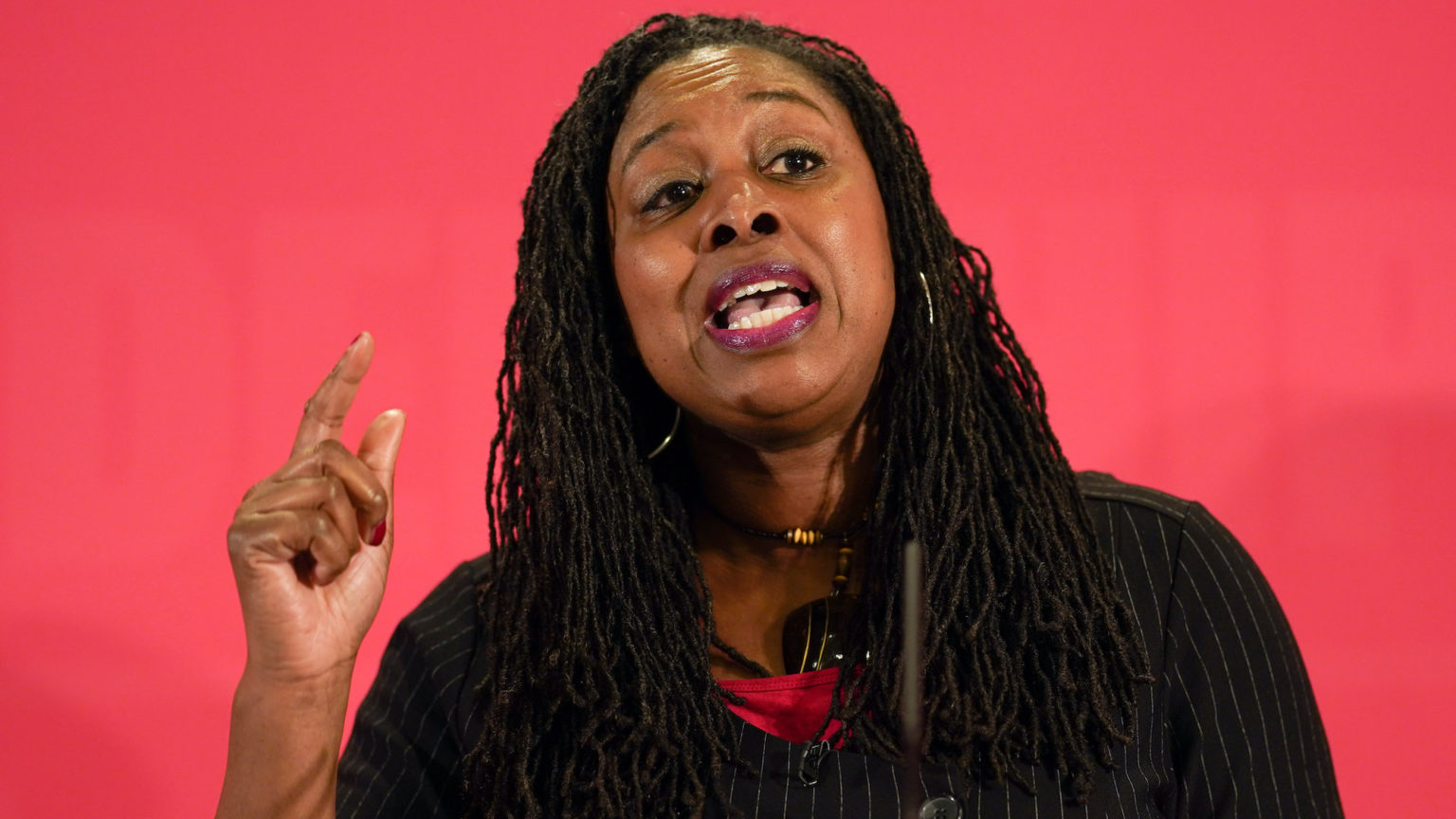
Critics in the chamber and online quickly countered that the intervention appeared to equate legitimate security concerns with prejudice.
One prominent commentator, responding in real time, highlighted statistics on extremist violence, asserting that downplaying specific threats amounted to a deflection.
The back-and-forth escalated rapidly, with interruptions and pointed rejoinders that left the MP visibly pressing her case amid growing tension.
Supporters of the MP portrayed the moment as a courageous stand against what they see as institutionalized bias.
Advocacy groups focused on anti-Muslim hatred praised her for highlighting how casual or repeated references to “Islamist” dangers can spill over into broader suspicion of ordinary Muslims.
They pointed to recent reports documenting increased harassment and threats against Muslim public figures, arguing that parliamentary language sets a tone for public attitudes.
Opponents, however, viewed the remarks as an overreach that sought to police debate itself. Conservative and Reform-aligned voices online described the push for sanctions as an effort to “silence” criticism of extremism, accusing the MP of prioritizing identity politics over national security.
Viral clips emphasized the MP’s persistence in the face of pushback, with captions framing it as a self-inflicted misstep that “humiliated” her position.
Some commentators drew parallels to earlier controversies involving definitions of Islamophobia, warning that expansive interpretations could chill open discussion of sensitive issues like grooming gangs or foreign-funded extremism.
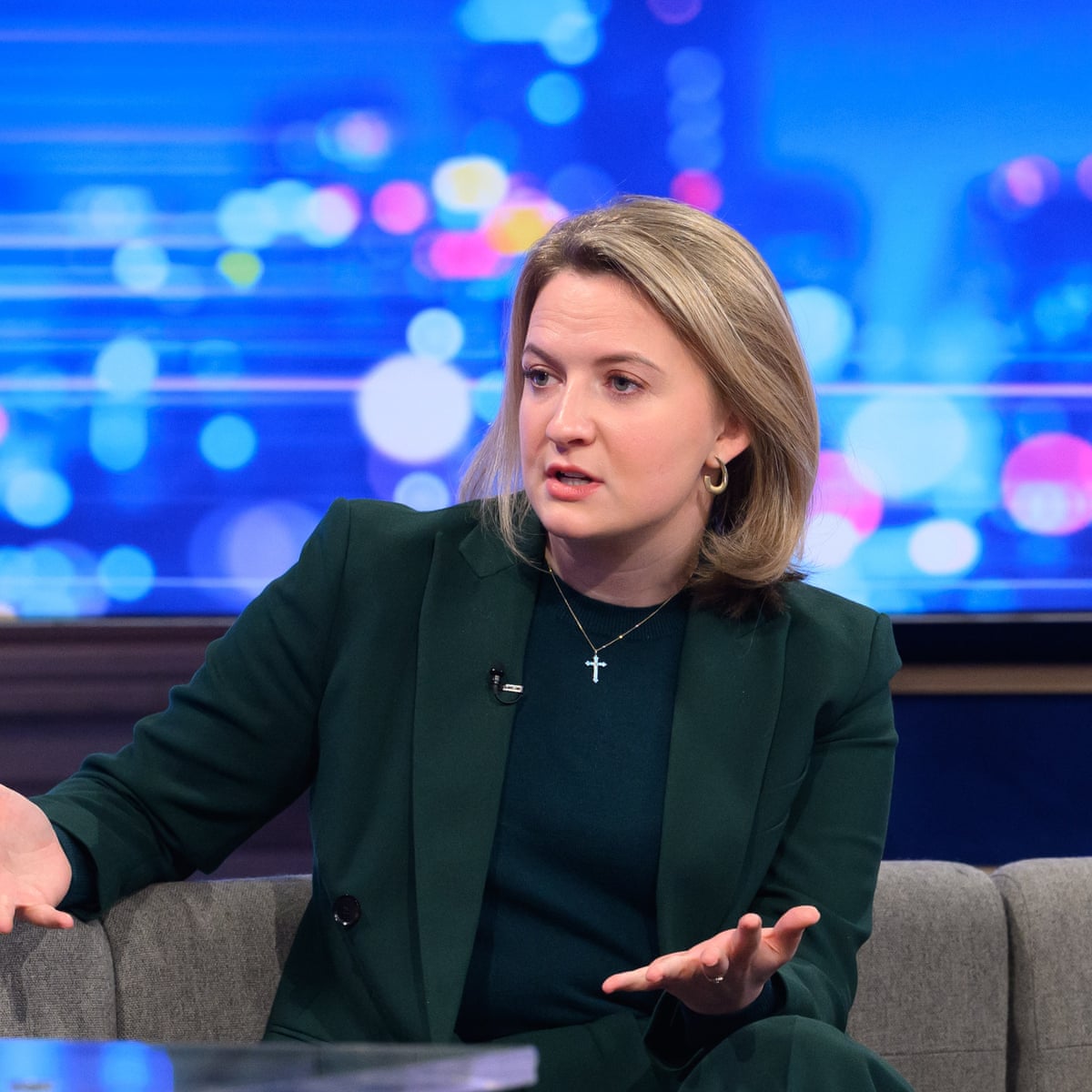
The episode reflects deeper fault lines in British politics. Since the 2024 election, Parliament has seen an influx of independent and minor-party MPs, many from Muslim-majority constituencies, who have prioritized issues like Gaza, community safety, and discrimination. At the same time, rising support for parties skeptical of multiculturalism has sharpened debates over integration, free expression, and what constitutes hate speech.
Speaker interventions in similar moments have historically aimed to maintain order, yet the viral nature of modern parliamentary clips amplifies every exchange. In this case, the footage spread rapidly on platforms like YouTube and X, garnering tens of thousands of views within hours. Reactions ranged from accusations of performative victimhood to defenses of the MP’s right to challenge perceived double standards.
Political analysts note that such confrontations rarely shift policy in isolation but contribute to a cumulative narrative. The government has faced repeated calls to adopt or reject specific definitions of Islamophobia, with critics arguing that certain formulations—such as those from the All-Party Parliamentary Group on British Muslims—could inadvertently restrict legitimate critique of religious ideology. Defenders counter that without clear safeguards, anti-Muslim sentiment risks becoming mainstream.
For the MP involved, the exchange may serve as both a liability and a rallying point. Allies have rallied around her, portraying the backlash as evidence of the very intolerance she sought to address. Detractors see it as emblematic of a broader pattern in which identity-based claims are deployed to deflect substantive debate.
As clips continue to circulate, the moment underscores a persistent challenge for Westminster: how to confront real security threats without alienating communities, and how to call out prejudice without appearing to stifle speech. With public trust in institutions already strained, episodes like this one test the resilience of parliamentary civility in an era of instant, polarized commentary.






