🚨 BREAKING NEWS: Jeremy Clarkson Sparks Fierce Debate After Comments on BBC Discrimination and Nadiya Hussain
A new controversy has erupted in British media after outspoken broadcaster Jeremy Clarkson made provocative remarks suggesting that if Nadiya Hussain believes she has faced discrimination at the BBC, she should “try being a working class white man.” The comment has ignited a wave of reactions across the UK, drawing both support and criticism, and reigniting long-standing debates about inequality, privilege, and representation in the media.
The remarks reportedly came during a discussion about diversity and fairness within the BBC, an institution that has frequently found itself at the center of national conversations about inclusion. Clarkson, known for his blunt and often controversial style, framed his argument around what he described as overlooked challenges faced by certain groups.
“If you want to talk about discrimination,” he said, “try being a working class white man and see how far that gets you.”
Immediate Backlash and Support
The response was swift and deeply divided. Supporters of Jeremy Clarkson argued that his comments highlight an often-ignored perspective, suggesting that discussions around discrimination can sometimes overlook socioeconomic factors.
“There’s a real conversation to be had about class,” one supporter wrote online. “It’s not always about race or gender—class plays a huge role too.”
Others echoed this sentiment, arguing that working-class individuals, regardless of background, face structural challenges that deserve more attention in public discourse.
However, critics strongly condemned Clarkson’s remarks, accusing him of dismissing the experiences of others and oversimplifying complex issues of discrimination.
“This isn’t a competition,” one commentator responded. “Different people face different forms of discrimination, and comparing them like this doesn’t help anyone.”
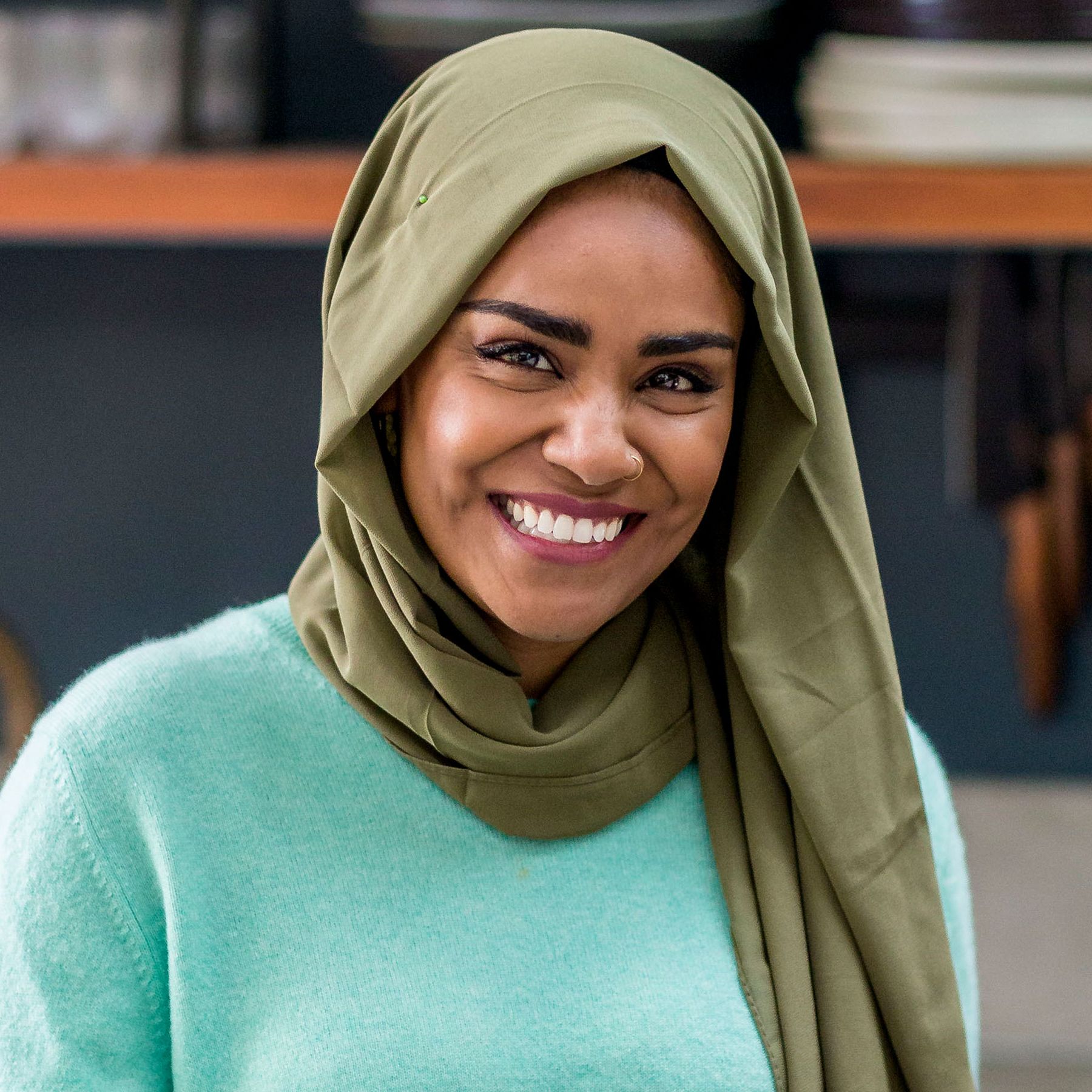
Nadiya Hussain, who rose to national fame after winning The Great British Bake Off, has previously spoken openly about her experiences as a Muslim woman in the public eye. She has discussed challenges related to representation, identity, and public perception, as well as the pressures of working in a high-profile media environment.
While Hussain has not directly responded to Clarkson’s latest comments, her past statements have emphasized the importance of acknowledging different forms of discrimination without minimizing others.
Experts note that her experiences reflect broader conversations about diversity in British media, where representation has become an increasingly prominent issue.
A Broader Debate on Discrimination
The controversy has reignited a wider discussion about how discrimination is defined and understood in modern Britain. Sociologists and commentators point out that inequality can take many forms, including those based on race, religion, gender, and class.
“Discrimination is not a single, uniform experience,” one expert explained. “It can manifest in different ways depending on a person’s background and circumstances.”
Clarkson’s comments have brought attention to the role of class in these discussions, a topic that some argue does not receive as much focus as other forms of inequality.
At the same time, critics warn against framing the issue as a competition between different groups.
“When we start comparing who has it worse, we risk losing sight of the bigger picture,” one analyst said. “The goal should be to address inequality in all its forms.”

The debate has also placed the BBC back under scrutiny. As the UK’s public broadcaster, it has faced ongoing pressure to balance representation, fairness, and editorial independence.
Supporters of greater diversity argue that institutions like the BBC have a responsibility to reflect the full range of voices in society. Others caution that efforts to address representation must be handled carefully to avoid unintended consequences.
A BBC spokesperson declined to comment directly on Clarkson’s remarks but reiterated the organization’s commitment to inclusivity and fairness.
The Power of Public Figures
The incident highlights the influence of high-profile personalities like Jeremy Clarkson, whose statements can quickly shape public debate. In the age of social media, such comments can spread rapidly, reaching audiences far beyond traditional media channels.
“Public figures have a platform, and with that comes responsibility,” a media expert noted. “What they say can influence how people think and talk about important issues.”
At the same time, the controversy demonstrates how audiences interpret statements differently based on their own perspectives and experiences.

As the debate continues, public opinion remains sharply divided. Some see Clarkson’s remarks as a necessary challenge to dominant narratives, while others view them as dismissive and unhelpful.
Online discussions have reflected this divide, with users passionately defending their positions and engaging in broader conversations about fairness and equality.
What Comes Next?
It remains unclear whether Clarkson will address the backlash or clarify his comments. Meanwhile, the discussion sparked by his remarks shows no signs of fading.
For Nadiya Hussain, the situation once again places her at the center of a national conversation about identity and representation—issues that extend far beyond any single individual.
A Complex and Ongoing Issue
Ultimately, the controversy underscores the complexity of discussing discrimination in a diverse society. There are no simple answers, and different perspectives often reflect deeply held beliefs about fairness, opportunity, and identity.
What is clear, however, is that conversations like this are likely to continue, as the UK grapples with how to understand and address inequality in all its forms.
And as voices from across the spectrum weigh in, the challenge will be finding a way to move beyond division—toward a more nuanced and constructive dialogue about what fairness truly means in modern Britain.