France’s Political Earthquake: Nationalist Surge Signals a Defining Moment for the European Union
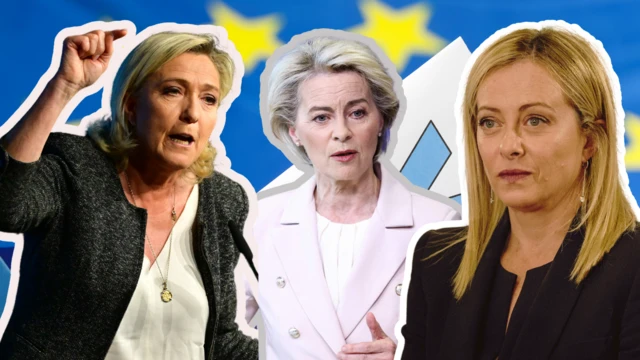
In a political season already marked by volatility, the latest municipal election results in France have delivered a shockwave that extends far beyond local governance. What began as a routine electoral contest has evolved into a broader signal of shifting public sentiment — one that could reshape not only French politics but the trajectory of the European Union itself.
At the center of this تحول is the growing قوة of Jordan Bardella and the far-right National Rally, long associated with the legacy of Marine Le Pen. Their performance in municipal races, securing control of dozens of communes, reflects not merely electoral success but a consolidation of grassroots support that has been building for years.
For President Emmanuel Macron, the results underscore a deepening political بحران. Once seen as a centrist reformer capable of stabilizing France’s position within Europe, Macron now faces declining public confidence and mounting criticism over economic stagnation, inflation pressures, and governance fatigue. The municipal outcomes, while local in scope, have become a referendum on his broader leadership.
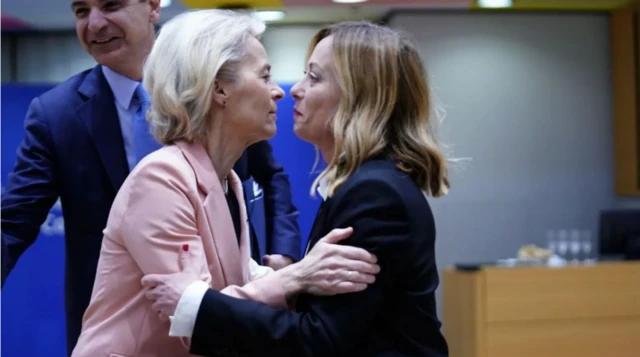
Yet the implications stretch well beyond Paris. Within Brussels, officials tied to European Commission and its president, Ursula von der Leyen, are increasingly attentive to what these results may foreshadow. France has long been a central pillar of European integration; any shift in its political direction carries outsized consequences for the union’s cohesion.
Bardella’s message resonates with a segment of voters who feel left behind by globalization and constrained by EU regulations. His rhetoric emphasizes national sovereignty, economic independence, and tighter control over borders — themes that have gained traction across multiple member states. While critics argue that such positions risk undermining collective European stability, supporters see them as a necessary correction to what they perceive as bureaucratic overreach.
The broader European context reinforces this trend. From Central Europe to the Mediterranean, skepticism toward supranational governance has been rising. Leaders like Giorgia Meloni in Italy and Viktor Orbán in Hungary have already charted paths that prioritize national interests over EU consensus. France’s evolving political landscape suggests that similar sentiments are gaining ground in one of the bloc’s most influential nations.
Still, it would be premature to declare a definitive rupture. Municipal elections, while indicative, do not directly determine national policy. France’s institutional framework, including its presidential system and parliamentary dynamics, ensures that any major تحول will unfold over time rather than overnight. The true test lies ahead, particularly as the country approaches future national elections.
Economically, the stakes are considerable. France remains one of the largest economies in the eurozone, and its policy orientation influences everything from fiscal coordination to trade negotiations. A الحكومة inclined toward greater sovereignty could push for reforms that challenge existing EU frameworks, potentially altering the balance between integration and independence.
Within France, the political debate is becoming increasingly polarized. Supporters of the current European model warn that weakening the EU could expose member states to economic instability and geopolitical vulnerability. Advocates of reform counter that a recalibrated union — one that respects national autonomy — could be more resilient and responsive to citizens’ needs.
Meanwhile, alliances are shifting in subtle but meaningful ways. Bardella’s outreach to like-minded movements across Europe reflects an effort to build a broader coalition that transcends national borders. While such coordination remains informal, it underscores a growing شبكة of political actors who share a common critique of the current European order.
For Brussels, the challenge is both strategic and existential. How can the European Union adapt to rising nationalist sentiment without fragmenting? Can it reform its institutions to address concerns about democratic accountability while preserving the benefits of integration? These questions, once theoretical, are now pressing realities.
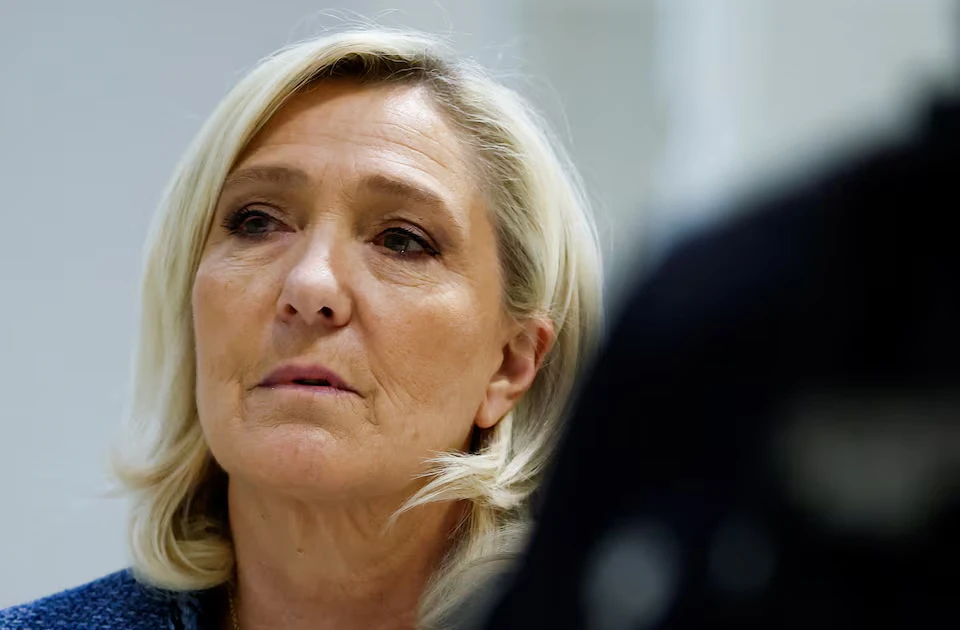
Ultimately, the French municipal elections may be remembered less for the number of communes won and more for the narrative they reinforce: a Europe at a crossroads. The tension between unity and sovereignty, between collective governance and national control, is no longer confined to political theory. It is playing out in ballots, in policies, and in the evolving identities of member states.
As France navigates this pivotal moment, the rest of Europe watches closely. The outcome will not only shape the future of French politics but may also determine whether the European Union emerges more unified — or more divided — in the years ahead.






