A political storm is erupting after comments from JD Vance accusing Canada of “taking advantage” of the United States sparked immediate backlash and renewed scrutiny of Washington’s strategy. What appeared to be a routine talking point has quickly evolved into a deeper controversy about credibility, timing, and shifting global power dynamics.
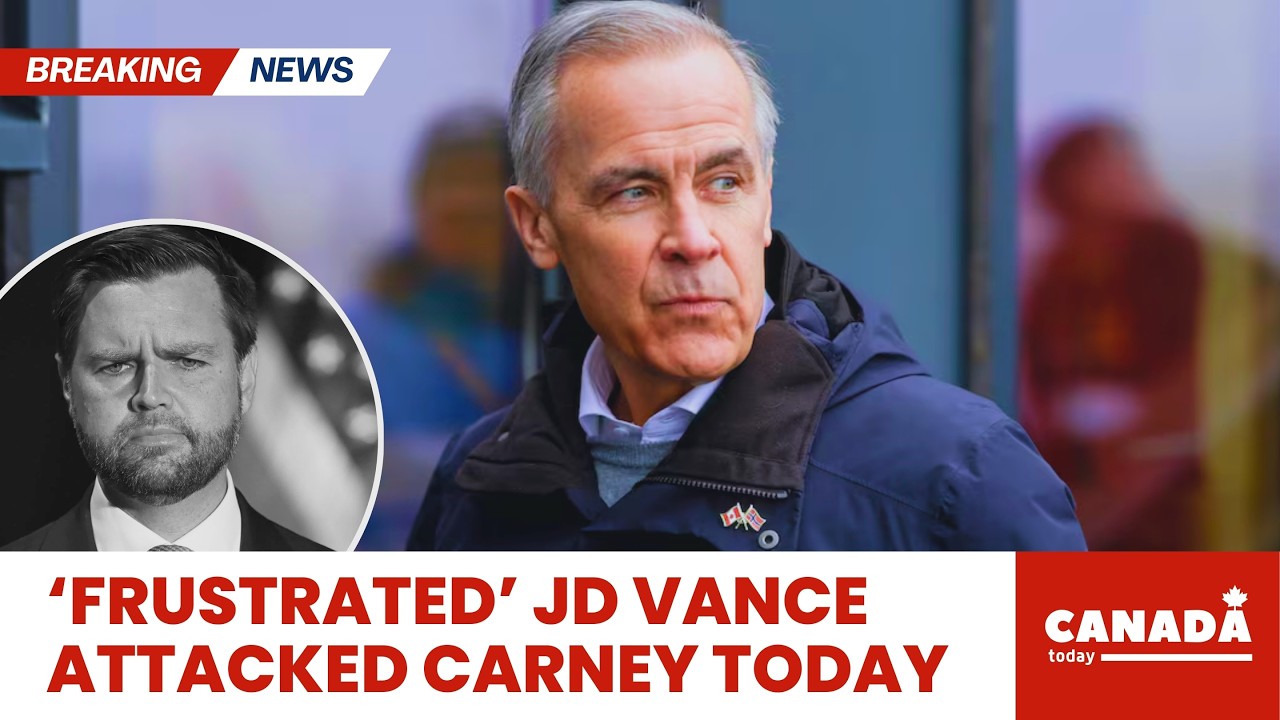
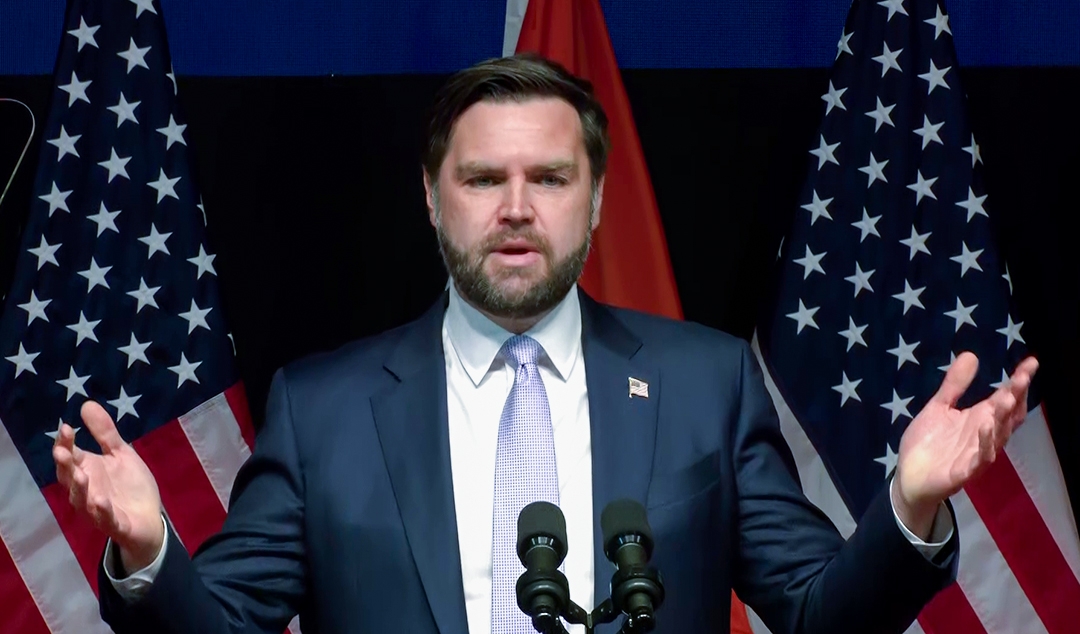
Speaking publicly, Vance argued that Canada had benefited unfairly from its relationship with the United States for decades, echoing long-standing rhetoric from Donald Trump. The message was clear: the current administration believes the balance of trade has tilted too far in Canada’s favor and must be corrected.
However, critics and analysts were quick to challenge that claim, pointing to the deeply integrated nature of the two economies. Far from a one-sided relationship, trade between the United States and Canada has long been described as mutually dependent, with supply chains, energy flows, and manufacturing systems tightly interconnected.
The timing of Vance’s remarks has raised even more questions. His statement comes after a series of tense exchanges between Washington and Ottawa, including tariff threats and failed attempts to pressure Canada into concessions. Rather than signaling strength, some observers argue the comments reflect growing frustration within the administration.
At the center of this unfolding situation is Mark Carney, whose leadership has taken a markedly different approach. Instead of rushing into negotiations under pressure, Carney has maintained a firm stance, refusing to accept unfavorable terms and emphasizing Canada’s economic independence.
That strategy appears to be reshaping the conversation. Canada has not only resisted pressure but also expanded its global partnerships, strengthening trade ties with Europe and Asia. This diversification has reduced reliance on the U.S. market and given Ottawa greater flexibility in responding to external demands.
Complicating matters further is the broader geopolitical environment. Rising tensions in the Middle East, particularly involving critical oil transit routes, have disrupted global energy markets. These developments have increased the strategic importance of stable suppliers like Canada, whose resources are now in even higher demand.
As a result, the assumption that the United States holds overwhelming leverage is being challenged. Canada’s position as a major energy exporter and reliable trading partner has become more valuable in a world facing supply uncertainty. This shift is forcing policymakers in Washington to reconsider the risks of escalating tensions.
Vance’s comments, in this context, are being interpreted less as a statement of fact and more as an attempt to shape public perception. Repeating claims of Canadian dependence may serve a political purpose, but it does not fully align with the evolving economic realities now visible on the global stage.
The implications extend beyond North America. Allies around the world are closely watching how this dispute unfolds, particularly as questions arise about the reliability of U.S. trade policy. A prolonged conflict could accelerate efforts by other nations to diversify partnerships and reduce exposure to political risk.
What emerges from this moment is not just a disagreement over trade, but a broader recalibration of power. As both sides navigate an increasingly complex landscape, the outcome will likely influence economic strategy, diplomatic relations, and global markets for years to come—and across social media, reactions are spreading rapidly as the internet is exploding.






