New Footage of Masked Men Damaging Migrant Boats on French Beaches Sparks Outrage and Security Concerns
CALAIS, France — Shocking video footage circulating widely on social media appears to show masked men, identified by witnesses and reports as British nationals, deliberately targeting and damaging inflatable boats used by migrants attempting to cross the English Channel. The clips, which surfaced in recent days, have ignited intense debate in Britain and France, with officials and human rights groups warning of a dangerous escalation in vigilante activity amid the long-running migrant crisis.
The videos, shared on platforms including Instagram, Facebook and YouTube, depict groups of men wearing balaclavas and dark clothing approaching hidden dinghies on northern French beaches near Calais and Dunkirk. In one sequence, the individuals are seen slashing inflatable hulls, smashing outboard engines and destroying equipment intended for crossings. Witnesses described the scenes as chaotic and intimidating, with some expressing fear that the actions could endanger lives if migrants were nearby or if confrontations turned violent.
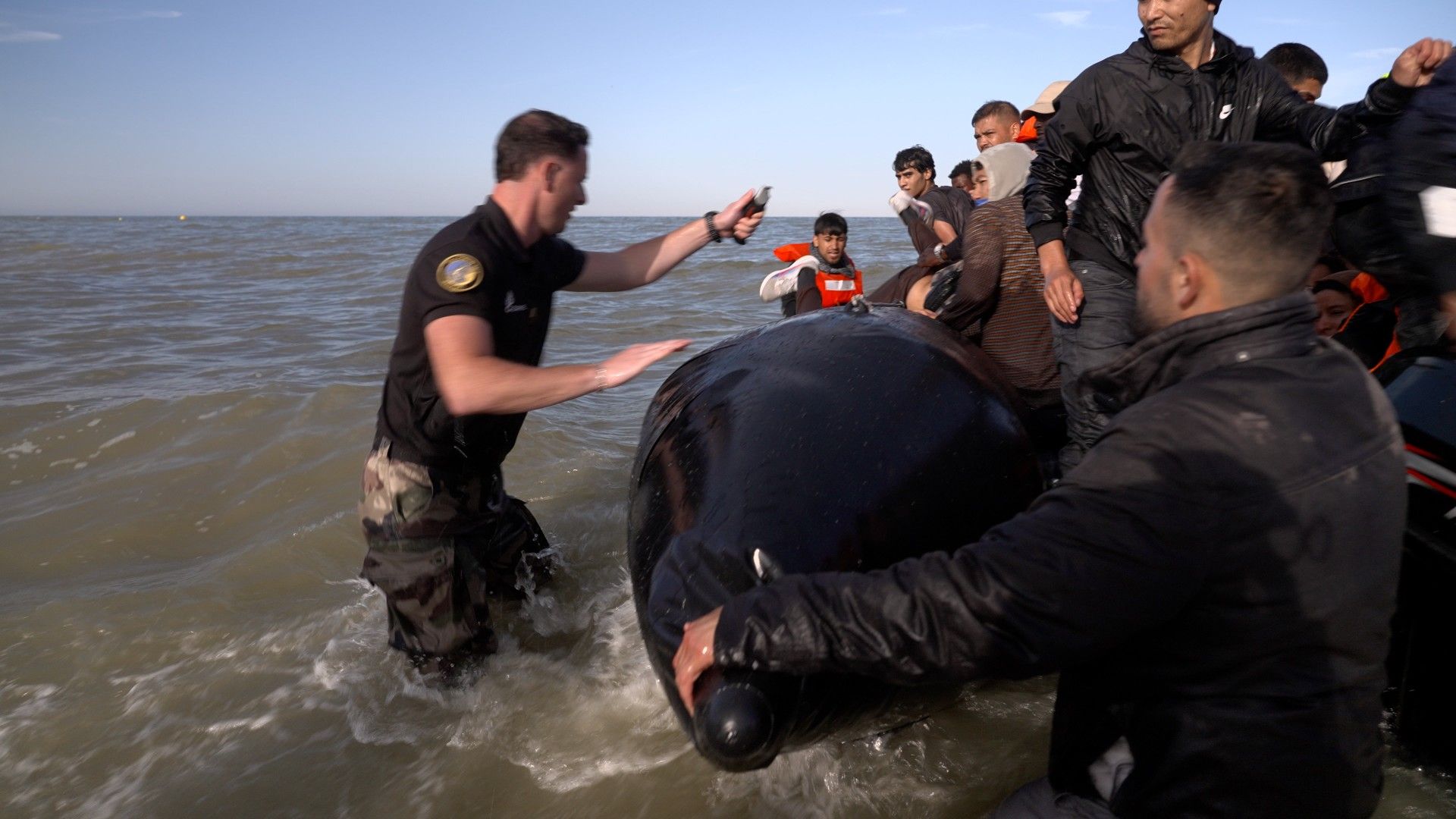
“I’ve never seen anything like it — they were smashing boats right in front of us, with no regard for anyone’s safety,” one local resident told reporters near the site, speaking on condition of anonymity due to safety concerns. Another eyewitness characterized the atmosphere as “terrifying” and “utter chaos,” noting that the men operated swiftly before disappearing into dunes or vehicles. Authorities have not confirmed arrests directly tied to the latest footage, though French police have increased patrols in response.
The incidents are linked to far-right activist groups, notably Raise the Colours, a British organization that has openly documented similar actions since late 2024 and early 2025. Members of the group have filmed themselves conducting what they call “Operation Stop the Boats,” framing the sabotage as a citizen-led effort to curb illegal crossings after perceived government failures. In November 2025, videos emerged showing activists digging up and destroying hidden engines, and by January 2026, France banned 10 individuals associated with the group for “reconnaissance and destruction activities” targeting small boats, as well as propaganda along the coastline.
Humanitarian organizations, including Utopia 56 and Médecins du Monde, have accused British and French authorities of turning a blind eye to the vigilantes, who have also reportedly harassed migrants, aid workers and journalists. Reports detail instances of verbal abuse, property confiscation and physical confrontations near migrant encampments. Rights groups argue that such actions create a climate of fear and risk serious injury or death in an already perilous situation, where crossings often occur at night in overcrowded, unseaworthy vessels.
French Interior Ministry officials condemned the vigilantism as unlawful and a threat to public order, emphasizing that border security remains the responsibility of state forces. “These private interventions are unacceptable and undermine coordinated efforts between France and the United Kingdom,” a ministry spokesperson said. British Home Office sources expressed concern over the footage but stressed that disrupting crossings must occur through legal channels, pointing to ongoing bilateral agreements aimed at intercepting boats at sea and dismantling smuggling networks.
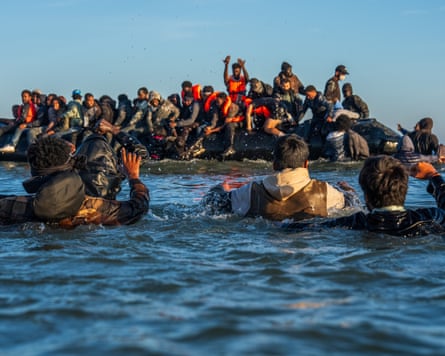
The English Channel remains one of the world’s busiest and most dangerous migration routes, with thousands attempting the crossing annually despite record numbers intercepted or returned. Frustrations over persistent arrivals have fueled political pressure in Britain, where the issue dominated recent elections and continues to polarize public opinion. Critics of the vigilantes warn that extrajudicial actions could provoke retaliation, escalate tensions with local communities or even inspire copycat behavior.
Social media reaction has been sharply divided. Supporters praised the men as taking necessary action against what they view as unchecked migration, with comments calling it “long-overdue” intervention. Detractors condemned the tactics as reckless vigilantism that endangers vulnerable people and flouts the rule of law. Fact-checkers have noted that some dramatic images shared alongside the videos appear AI-generated or manipulated, though the core footage of boat destruction aligns with verified reports from activist accounts.
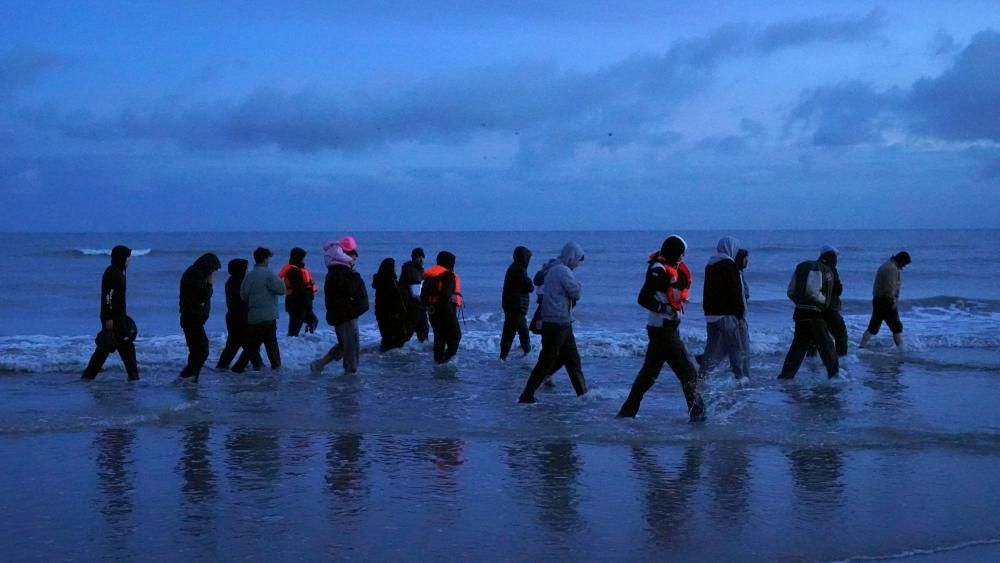
As investigations continue, pressure mounts on both governments to address root causes — from smuggling networks to safe legal pathways — before fringe actions spiral into broader conflict. For now, the beaches of northern France stand as a stark symbol of a crisis that defies easy resolution, where frustration increasingly collides with the limits of legality and humanity.






