British commentator Katie Hopkins has once again become the focus of significant public controversy after making statements regarding the upbringing of children, traditional family values, and the appropriate scope of adult influence on young people’s identities. The remarks, disseminated through her social media channels and related appearances, have prompted a visible segment of online users to call for boycotts of her content, reduced platform engagement, and pressure on commercial partners to sever ties with her.
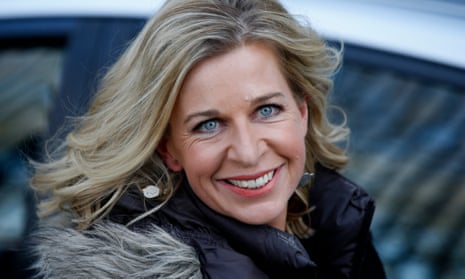
Hopkins argued that children should be allowed to experience childhood in a manner unencumbered by what she described as premature exposure to complex ideological or identity-related discussions. She advocated for an approach centered on “traditional values,” suggesting that parents and society bear responsibility for fostering environments where young people can engage in age-appropriate activities without external pressures to adopt particular social or cultural positions. While she did not explicitly reference any single policy or educational initiative, the comments were widely interpreted as a critique of contemporary efforts to introduce topics related to gender identity, sexual orientation, and diversity within school curricula and broader cultural conversations aimed at children.
The backlash materialized swiftly on social media platforms, where users expressed disappointment and organized calls to unfollow Hopkins, mute or block her accounts, and refrain from sharing or amplifying her material. Some participants framed the boycott as a principled stand against what they viewed as regressive or exclusionary rhetoric, particularly concerning the rights and visibility of LGBTQ individuals and families. Petitions and threaded discussions urged brands, event organizers, and media outlets that have previously featured or collaborated with Hopkins to publicly distance themselves, citing concerns over reputational risk and alignment with inclusive values.
Hopkins maintains a substantial following built over more than a decade of provocative commentary on immigration, cultural identity, national security, and social policy. Her style—direct, unapologetic, and frequently confrontational—has earned her both ardent supporters who see her as a defender of free speech and mainstream values, and persistent critics who regard her statements as inflammatory and divisive. Past controversies have included legal battles over libel, platform suspensions, and bans from entering certain countries, yet she has continued to generate significant online reach and occasional mainstream media appearances.
The current episode fits within a longer pattern of public contention surrounding discussions of childhood, education, and identity in the United Kingdom and beyond. Recent years have seen intensified debates over the age-appropriateness of certain teaching materials, the role of parents in school governance, and the balance between safeguarding children and promoting inclusivity. Government reviews, parliamentary inquiries, and high-profile legal challenges have examined how schools address questions of gender and sexuality, with outcomes ranging from updated guidance emphasizing parental involvement to ongoing litigation over curriculum content.

Supporters of Hopkins’ position argue that her comments reflect legitimate parental concerns about preserving innocence and allowing children to develop without what they perceive as adult-imposed agendas. They point to polling data indicating widespread unease among segments of the population regarding the introduction of complex social topics at early ages, and they defend her right to articulate views that resonate with a portion of the electorate often underrepresented in elite media discourse.
Critics, by contrast, contend that framing the issue in terms of “traditional values” versus progressive education risks stigmatizing LGBTQ youth and families, potentially contributing to environments of exclusion or misunderstanding. Advocacy organizations have highlighted statistics showing elevated mental health challenges among young people questioning their gender or sexual identity, attributing part of the distress to societal rejection rather than exposure to affirming information. They argue that open, age-appropriate discussions can serve protective functions and that calls to limit such content may hinder efforts to reduce harm.
The boycott campaign itself illustrates the mechanics of contemporary digital activism. Hashtags, shared screenshots, and coordinated unfollow drives can rapidly amplify criticism and exert economic pressure on individuals reliant on audience size for income or influence. At the same time, such efforts often encounter counter-mobilization, with supporters rallying to boost engagement metrics, donate directly to affected figures, or promote alternative platforms less susceptible to de-amplification.
Commercial implications remain uncertain but noteworthy. Hopkins has historically derived revenue from speaking engagements, book sales, independent media appearances, and subscription-based content rather than mainstream corporate sponsorships. Past attempts to secure advertising or partnerships have met resistance from brands wary of association with polarizing voices. Whether the current wave of calls translates into measurable impact on her earning potential or booking opportunities will depend on the response of event organizers, publishers, and digital platforms.
Freedom-of-expression considerations also feature prominently in the discussion. UK law provides broad protections for opinion and comment, though statements deemed to incite hatred or constitute harassment can trigger legal scrutiny. No formal complaints or investigations have been publicly confirmed in connection with the recent remarks, and Hopkins has defended her position as protected speech rooted in concern for child welfare rather than targeted animus.
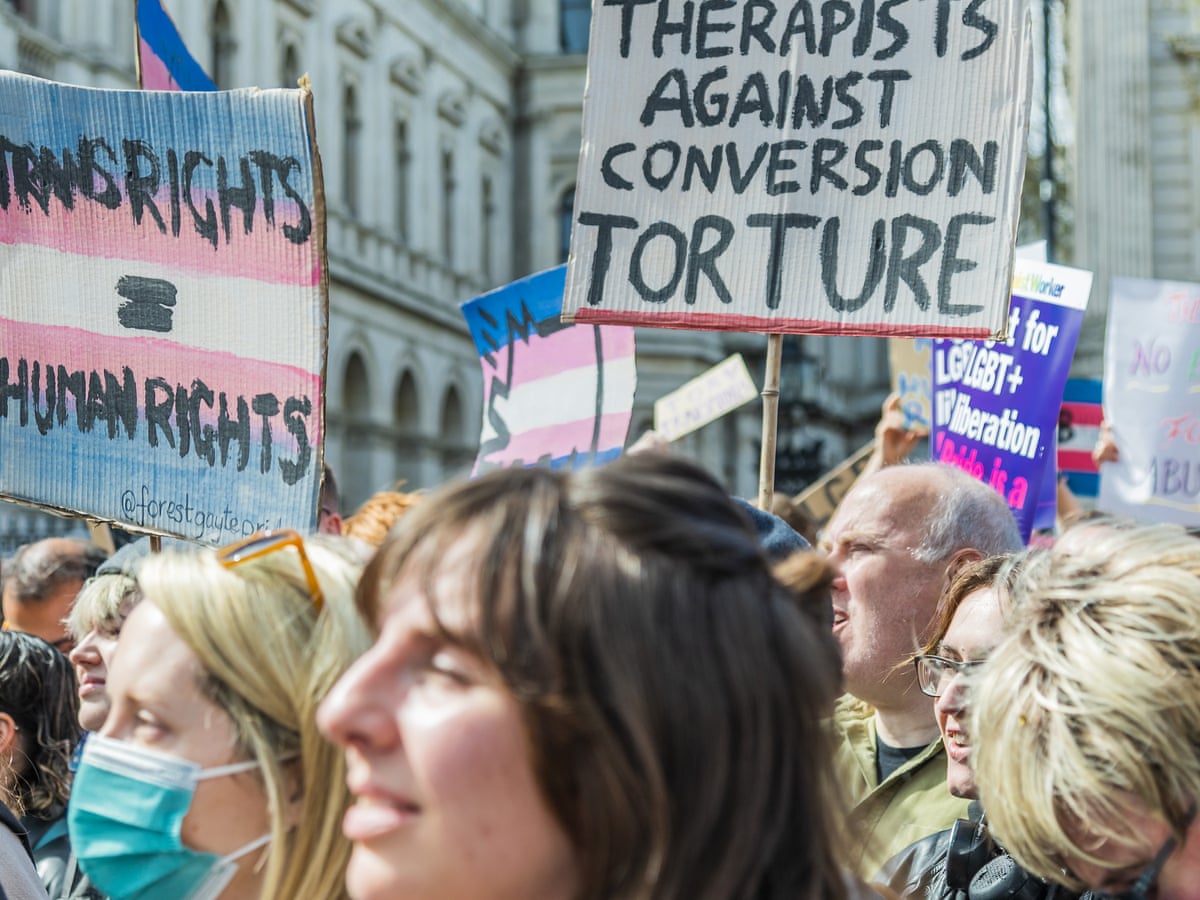
Broader societal context includes shifting generational attitudes toward identity and family structures. Younger cohorts in many Western countries exhibit greater acceptance of diverse gender and sexual orientations, while older groups and certain cultural or religious communities maintain more traditional perspectives. Public policy increasingly navigates these differences through education frameworks, safeguarding protocols, and anti-discrimination measures, often resulting in friction when competing priorities collide.
The controversy surrounding Hopkins serves as a case study in how individual voices can catalyze wider debates over cultural direction. While the immediate focus rests on her personal platform and the efficacy of boycott efforts, the underlying questions—about the pace of social change, the rights of parents versus institutions, and the limits of public discourse—continue to shape legislative agendas, school board elections, and media narratives in multiple countries.
For now, the episode highlights the enduring capacity of identity-related issues to mobilize both criticism and support in digital spaces. Whether the boycott gains sustained momentum or dissipates amid competing news cycles will likely depend on the persistence of organizing efforts and the broader resonance of the underlying arguments. Meanwhile, the discussion underscores the challenges of fostering constructive dialogue in an environment where disagreement frequently escalates into calls for exclusion or amplification rather than engagement.
As with previous controversies involving Hopkins, the current moment will almost certainly inform future interventions on similar themes, contributing to an ongoing recalibration of boundaries in public conversation about childhood, values, and societal norms.






