Farage Confronts Home Secretary on Grooming Gangs, Igniting Fierce Commons Exchange
LONDON — A charged confrontation unfolded in the House of Commons on Wednesday as Nigel Farage, the leader of Reform UK, used Home Office Questions to press Home Secretary Shabana Mahmood on the government’s handling of organized grooming gang networks, thrusting a deeply sensitive issue back into the political spotlight.
Mr. Farage, who has made the subject a central pillar of his political messaging, rose during the session to demand answers on what he described as a “systemic failure” to protect vulnerable young girls from exploitation. Citing reports of grooming gangs operating in cities across the United Kingdom, he pressed the Home Secretary on whether the government would authorize a new national inquiry into the matter.
“For years, vulnerable British children—predominantly white girls—have been abused, trafficked, and raped by organized gangs, and for years, authorities looked the other way,” Mr. Farage said, his voice rising above the murmurs of the chamber. “What will this government do to finally bring these criminals to justice and hold accountable the institutions that enabled them?”

The intervention came amid renewed public debate over historical cases of child sexual exploitation, particularly in towns such as Rotherham, Rochdale, and Telford, where independent inquiries documented widespread abuse perpetrated primarily by men of Pakistani heritage. Successive governments have faced criticism over the handling of those cases, with accusers arguing that authorities were slow to act due to sensitivities around race and community relations.
Ms. Mahmood, the Home Secretary, responded with measured but firm language, condemning the crimes in unequivocal terms while cautioning against rhetoric that she said risked inflaming community tensions.
“Let me be absolutely clear: the exploitation of children is one of the most depraved forms of criminality, and this government will pursue perpetrators with the full force of the law,” Ms. Mahmood said. “We have strengthened reporting mechanisms, increased funding for victim support services, and are working closely with local police forces to ensure that no child is failed by the system.”
She added pointedly: “But we must also be careful not to weaponize the suffering of victims for political purposes. These young girls deserve justice, not to be used as political props.”
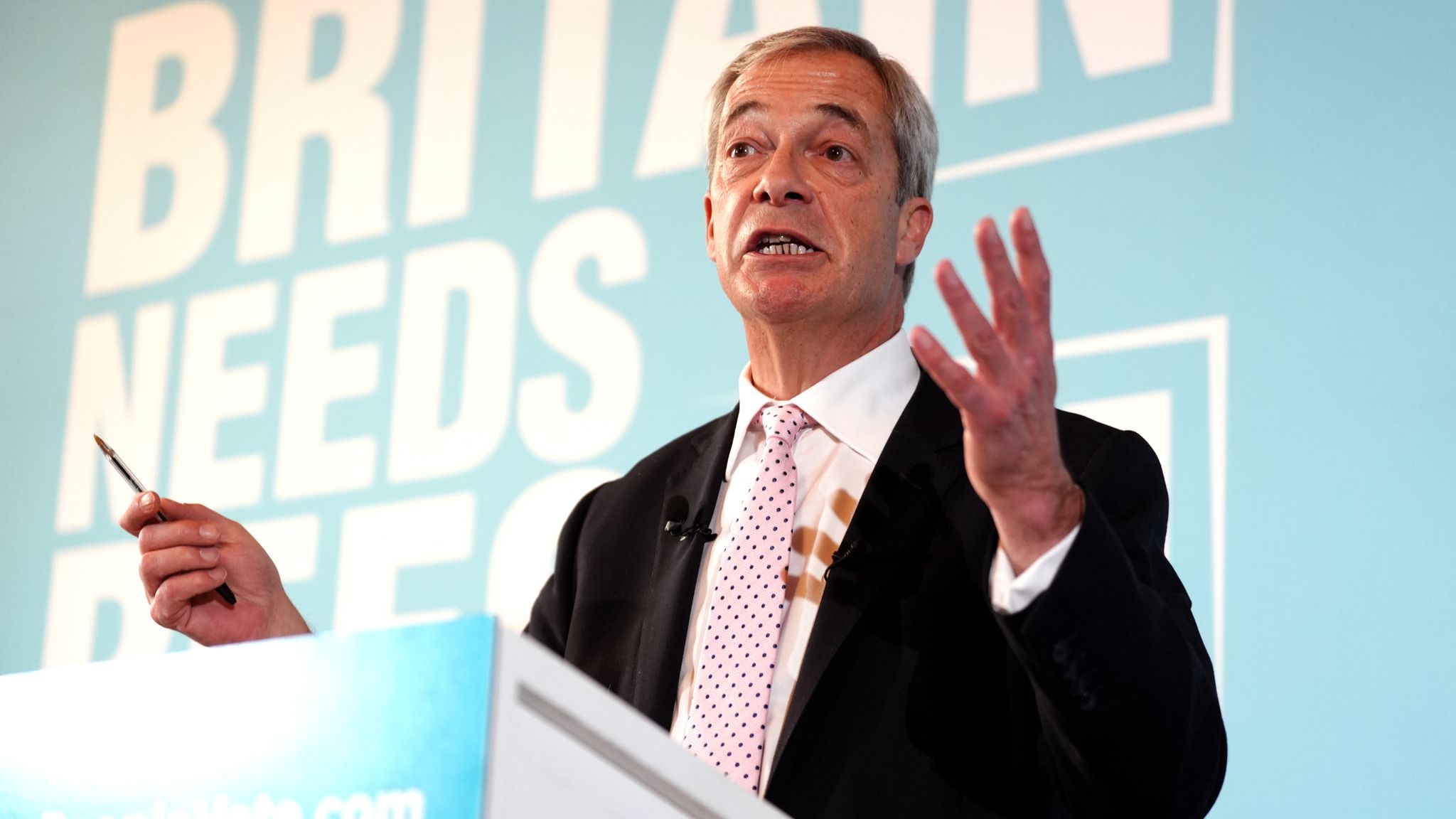
The exchange quickly escalated, with Mr. Farage accusing the Home Secretary of “gaslighting the nation” and dismissing the scale of the problem. He called for a full national inquiry modeled on the Independent Inquiry into Child Sexual Abuse, which delivered a damning report in 2022 but which critics say did not go far enough in addressing the specific patterns of grooming gangs.
“The establishment has covered for these criminals for decades because it was too afraid to speak the truth,” Mr. Farage said afterward in a statement to journalists outside the Commons. “We need a new inquiry with real teeth, and we need it now.”
The exchange has laid bare the deep political divisions surrounding the issue. For Mr. Farage and his supporters, the failure to address grooming gangs represents a betrayal of British children by a political class paralyzed by multicultural orthodoxy. For critics, his emphasis on the ethnicity of the perpetrators is a deliberate dog whistle intended to stoke anti-Muslim sentiment and distract from broader failures in child protection.
“There is a legitimate conversation to be had about how institutions failed these victims,” said Professor Rachel Kitching, a criminologist at the University of Manchester. “But when a politician like Farage centers the ethnic identity of the offenders while ignoring that child exploitation exists across all communities, he is not seeking justice—he is exploiting trauma for political gain.”
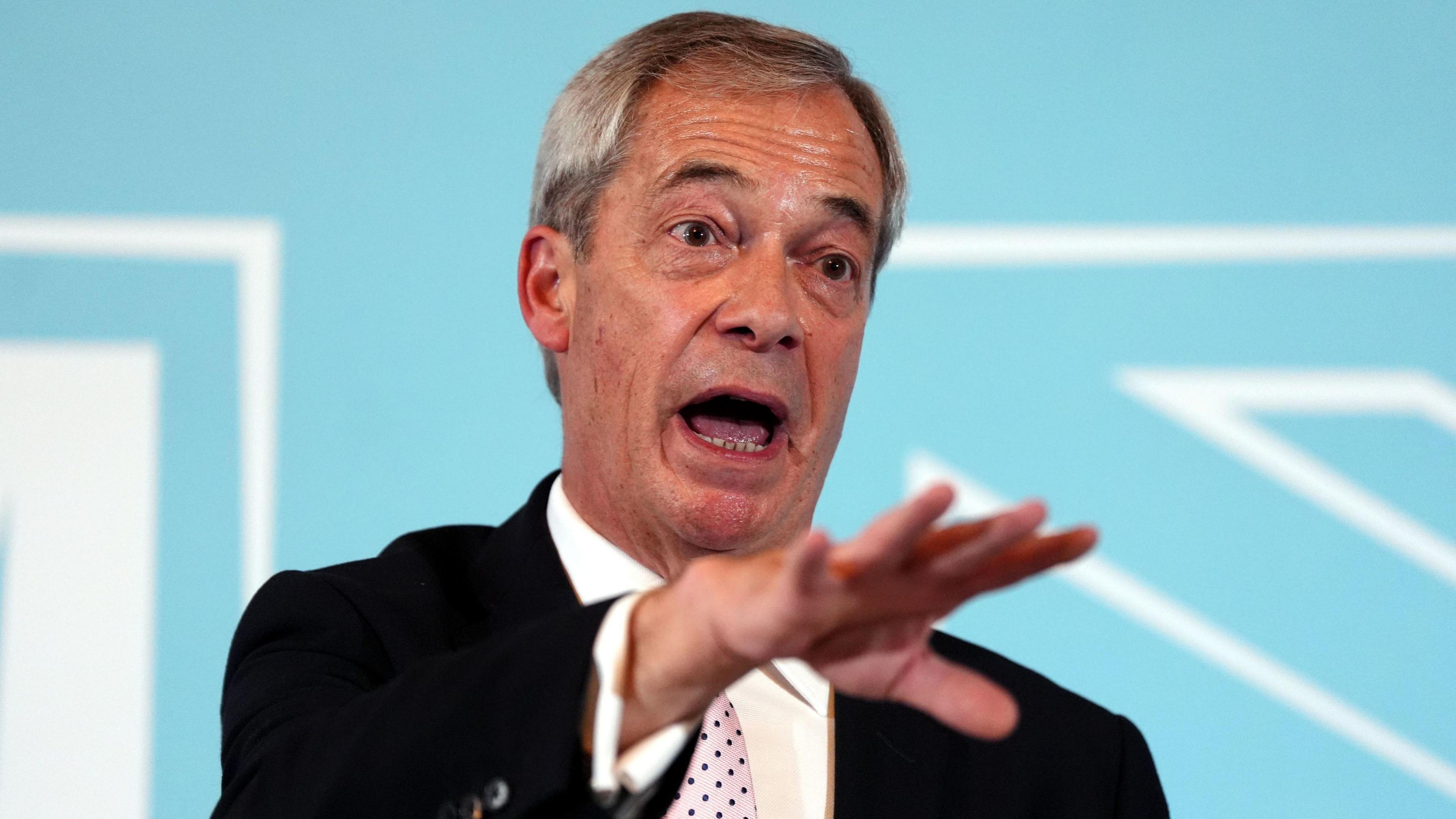
Within Westminster, reaction was split along predictable lines. Conservative leader Kemi Badenoch expressed support for a renewed examination of the issue, while Labour backbenchers accused Mr. Farage of amplifying divisive narratives. The Liberal Democrats called for a cross-party approach focused on victim support rather than political point-scoring.
Outside Parliament, the exchange resonated with a public still grappling with the legacy of the scandal. Victim advocacy groups welcomed the renewed attention but expressed concern that political rhetoric could overshadow meaningful action.
“Every time this issue surfaces in a partisan way, victims feel retraumatized,” said Sarah Lloyd, a spokesperson for the child protection charity SafeGuard. “What we need is not another inquiry driven by headlines, but sustained commitment to policing, social services, and a justice system that actually delivers for survivors.”
As the debate continues to unfold, the question remains whether Mr. Farage’s intervention will translate into tangible policy change—or whether, like so many previous inquiries and promises, it will fade from the national conversation until the next headline demands its return.






