Europe’s Nuclear Pivot Signals a Fracture in the Western Alliance
In the early days of March, a series of statements and strategic moves across Europe suggested a profound shift in the architecture of Western security—one that may come to define the post-Cold War era as decisively as the formation of NATO did in 1949.
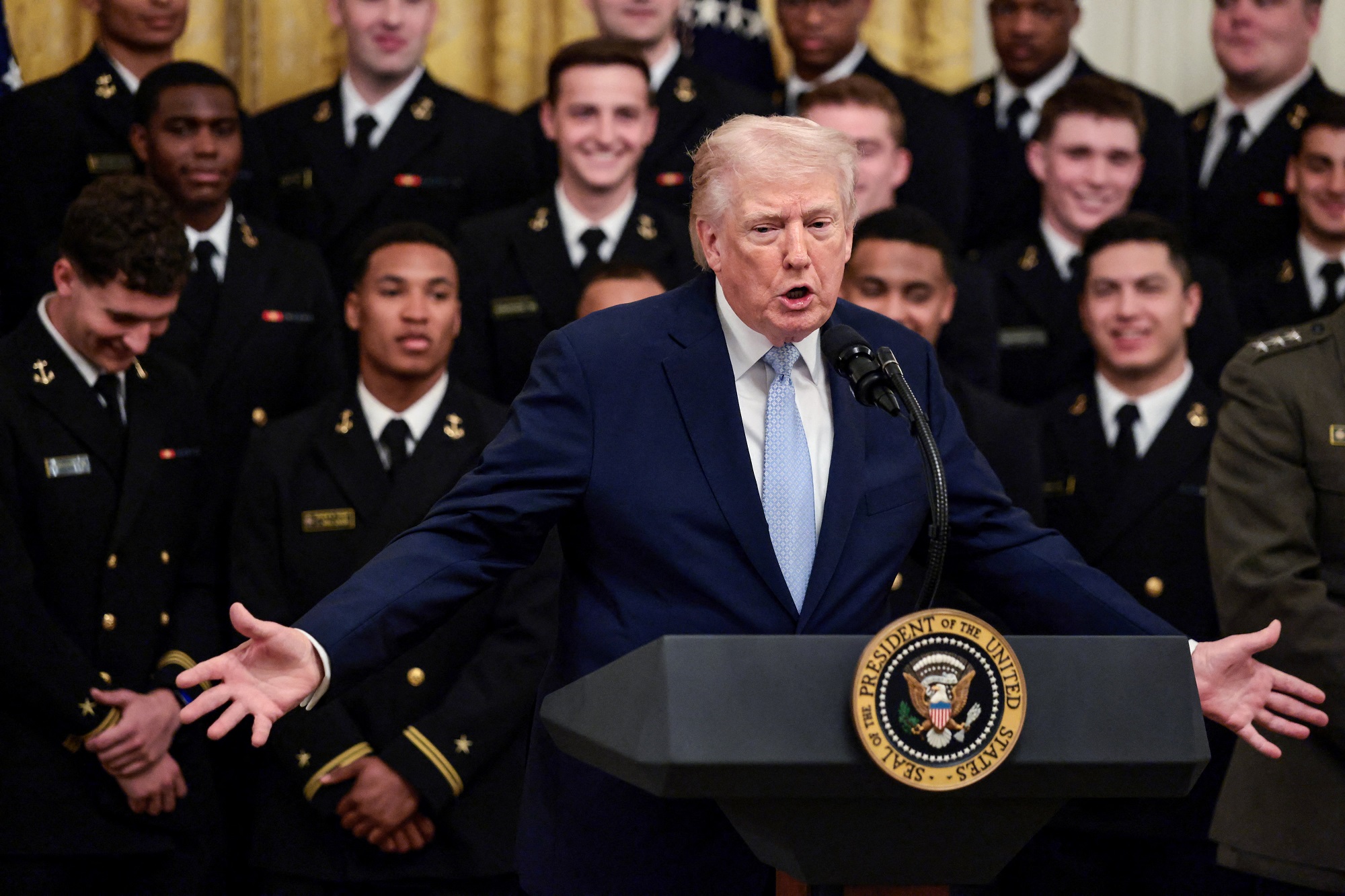
At the center of the rupture is Donald Trump, whose recent public remarks describing long-standing allies as “cowards” have reverberated far beyond diplomatic circles. For decades, the alliance between the United States and its European partners rested not only on military capability but on a shared assumption of mutual trust. That assumption now appears increasingly fragile.

The reaction from Europe has been swift, though largely understated in tone. Rather than issuing formal rebukes, several nations have begun recalibrating their defense postures in ways that suggest a quiet but consequential rethinking of reliance on American nuclear protection. The shift is not rhetorical—it is operational.
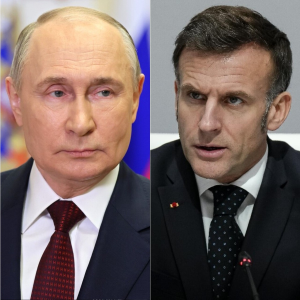
Leading this transformation is Emmanuel Macron. Speaking from a French naval base earlier this month, Macron outlined what he described as a policy of “forward deterrence.” The plan includes expanding France’s nuclear arsenal for the first time in over three decades and, more notably, extending aspects of its nuclear umbrella to allied European states.
France, the only nuclear-armed country in the European Union, has historically maintained strict sovereignty over its nuclear forces. Macron’s proposal marks a departure from that tradition. It envisions French nuclear-capable aircraft deployed beyond national borders, operating in coordination with partner nations. Though framed as a complement to existing alliance structures, the move carries deeper implications.
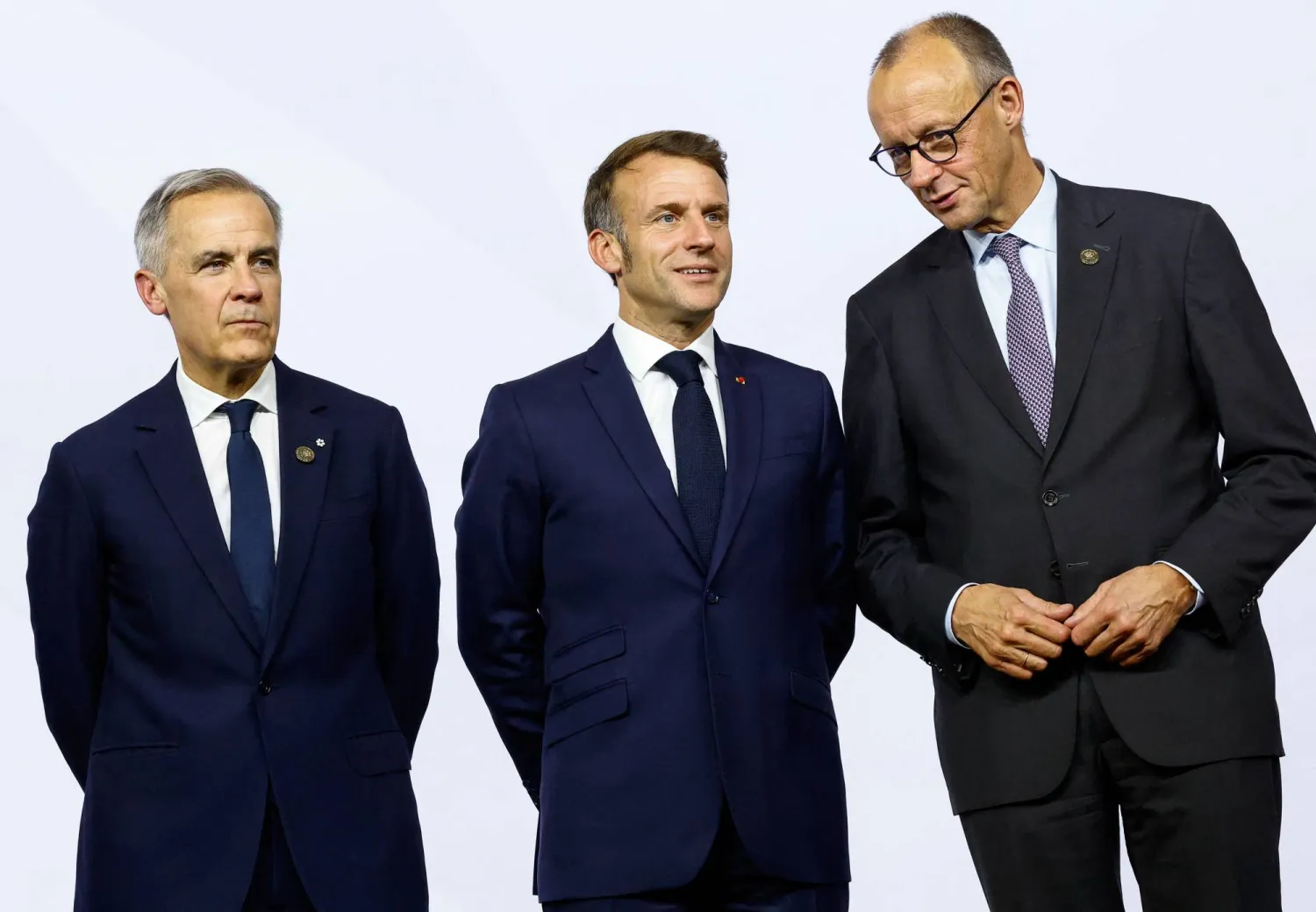
Germany has emerged as a key participant in these discussions. Under Chancellor Friedrich Merz, Berlin has signaled openness to integrating French nuclear capabilities into its defense planning. For a country that has long hosted American nuclear weapons under NATO’s sharing arrangements, even considering an alternative represents a notable shift in strategic thinking.
Other countries—including Poland, the Netherlands, Belgium, Greece, and Sweden—are reportedly exploring similar cooperation. For many of these nations, the war in Ukraine and ongoing tensions with Russia have already heightened security concerns. The possibility that American commitments might become conditional or unpredictable has only intensified the urgency.
Perhaps the most striking development has come from Denmark. A founding member of NATO and a close U.S. ally, Denmark has taken steps that underscore the depth of current anxieties. Amid concerns about potential American actions related to Greenland, Danish officials have reportedly begun contingency planning that includes limiting the operational use of infrastructure on the island.
Such measures would have been nearly unthinkable even a year ago. They reflect not only specific policy disagreements but a broader erosion of confidence. Denmark’s experience is particularly resonant given its disproportionate contribution to U.S.-led operations in Afghanistan following the invocation of NATO’s Article 5 after the attacks of September 11 attacks.
For Canada, the implications are no less significant. Prime Minister Mark Carney has thus far reaffirmed commitment to NATO while expressing cautious support for European-led initiatives. Yet the question now being raised in Canadian policy circles—whether the country should diversify its security partnerships—would once have been considered implausible.
It is important to note that NATO itself has not dissolved, nor has any member formally withdrawn. The alliance retains unmatched collective military strength, and officials across Europe continue to describe new initiatives as complementary rather than substitutive. Still, the emergence of parallel frameworks suggests a hedging strategy—one designed to mitigate uncertainty rather than replace existing guarantees outright.
What distinguishes this moment is not a single decision but a convergence of signals. France’s planned nuclear expansion, Germany’s willingness to reconsider longstanding arrangements, and Denmark’s defensive preparations each point to a shared conclusion: the security environment has changed in ways that demand new responses.
Alliances, like markets, are built on confidence. Once that confidence begins to erode, even incrementally, the effects can be far-reaching. The current recalibration in Europe may ultimately prove reversible. Diplomatic efforts, leadership changes, or renewed commitments could restore a measure of trust.
But for now, the trajectory is clear. European nations are taking steps—quietly but decisively—to ensure that their security does not depend on a single partner. In doing so, they are reshaping not only their own defense strategies but the future of the Western alliance itself.