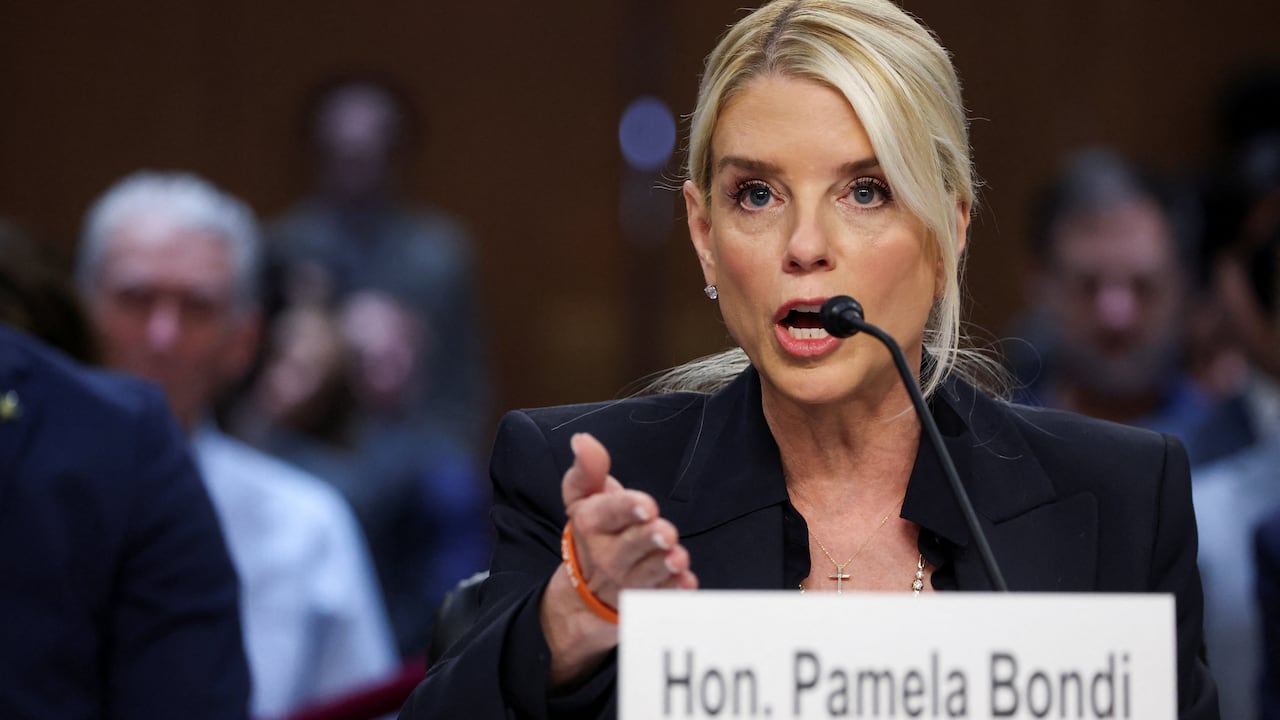
A dramatic exchange during a congressional hearing has quickly gained attention online, centering on a tense back-and-forth between Ted Lieu and Pam Bondi.
The moment, widely shared and debated, reflects the intensity that can arise when oversight, high-profile figures, and unresolved public questions intersect.
According to circulating accounts, Lieu pressed Bondi on issues related to Jeffrey Epstein, specifically asking whether underage individuals had been present at gatherings connected to Epstein.
The exchange reportedly became heated, with Bondi rejecting the premise of the question and shifting her response toward broader political commentary, including references to Donald Trump.
From there, the situation escalated.

Lieu suggested that Bondi’s response may have been misleading, indicating he would introduce additional material to challenge her statement.
The confrontation, marked by raised voices and sharp rhetoric, has since been framed by some online as a pivotal moment—though the reality is more complex.
It is important to approach such claims with caution.
Allegations of perjury or criminal conduct are serious and require formal legal determination, not conclusions drawn from a single exchange or viral interpretation.
Statements made during hearings can be contested, clarified, or taken out of context, and not every contradiction or disagreement rises to the level of a crime.
Additionally, references to witness statements—such as those described in circulating narratives—do not automatically establish verified facts.
Reports made to agencies like the FBI can vary widely in credibility and require thorough investigation before being considered reliable evidence.
Without confirmation from official findings, such claims remain unverified.
The Epstein case itself continues to generate intense public scrutiny, in part because of the number of prominent individuals whose names have surfaced over time.
However, being mentioned in a claim, document, or testimony does not in itself prove involvement in criminal activity.
Distinguishing between allegation, evidence, and proven fact is essential, especially in highly politicized environments.
What this exchange does highlight is the nature of congressional oversight.
Hearings are designed to probe, challenge, and test the statements of officials.
Lawmakers like Lieu often use aggressive questioning strategies to expose inconsistencies or push for clearer answers.
At the same time, witnesses like Bondi must navigate legal constraints, reputational considerations, and political pressure.
Moments like this can quickly take on a life of their own outside the hearing room.
Clips are shared, captions are added, and narratives are built—sometimes amplifying certain interpretations while leaving out important context.
This can create a perception of certainty where, in reality, many details remain unresolved.
The broader issue raised here is one of trust and transparency.
When officials are questioned about sensitive topics, especially those tied to cases like Epstein’s, the public expects clarity.
When answers appear incomplete or evasive, it can fuel suspicion—even if there are legitimate reasons for caution in responding.
At the same time, the legal threshold for claims like perjury is high.
It requires proof that a false statement was made knowingly and intentionally under oath about a material fact.
Determining that standard involves careful legal analysis, not immediate judgment based on a contentious exchange.
As the story continues to circulate, it serves as a reminder of how quickly complex situations can be simplified into dramatic narratives.
While the confrontation between Lieu and Bondi was undoubtedly intense, its ultimate significance depends on verified evidence, official review, and due process.
For now, what remains is a moment that captured attention—a sharp exchange that raised questions, sparked debate, and highlighted the ongoing challenges of accountability in high-profile investigations.