By LEO M. TRUJILLO
WASHINGTON — In a Senate hearing room that has become a frequent stage for the collision of high-stakes litigation and political theater, Senator John Kennedy, Republican of Louisiana, launched a methodical and characteristically pointed inquiry this week. His target was not merely the procedural nuances of federal subpoenas, but the lingering, radioactive ghost of the Jeffrey Epstein investigation. The exchange has reignited a national conversation regarding whether the Department of Justice’s reach is as long as its proponents claim, or as selective as its critics fear.
The confrontation centered on a recent and explosive characterization of Mr. Epstein by Howard Lutnick, the Secretary of Commerce, who described the disgraced financier in a New York Post interview as “the greatest blackmailer ever.” Mr. Lutnick, once a neighbor of Mr. Epstein’s, alleged that the “perversion” was not merely observed but participated in by prominent men, recorded by hidden cameras in massage rooms to create lifelong leverage. It was a claim of systemic extortion at the highest levels of American influence—the kind of lead one might expect a federal agency to pursue with singular focus.
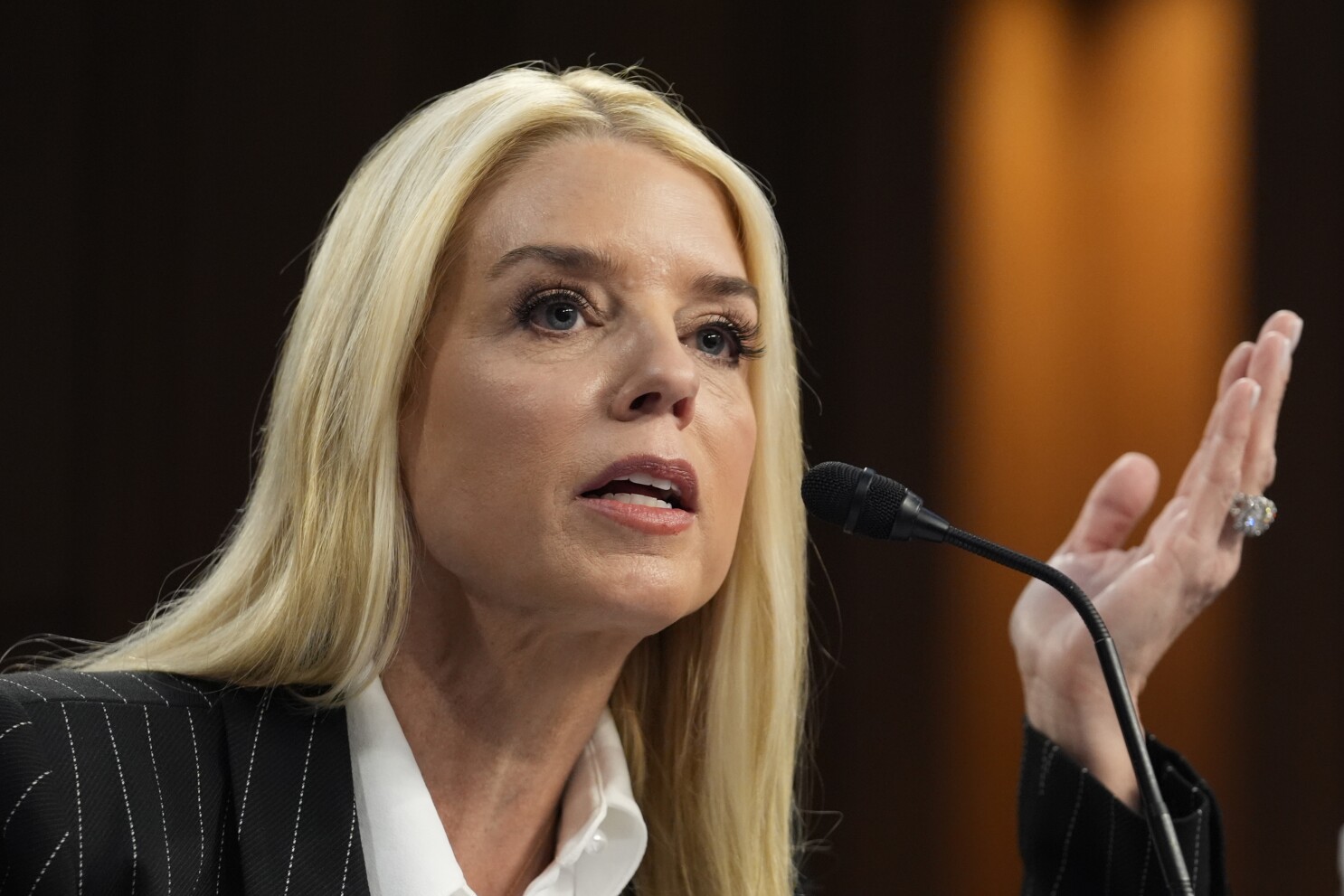
Yet, when Senator Kennedy pressed the Attorney General, Pam Bondi, on the matter, the response was one of institutional restraint that bordered on the passive. Ms. Bondi admitted she had seen a “clip” of the interview but had not reviewed the full transcript, nor had she interviewed Mr. Lutnick. Her response to whether such an interview was planned was notably conditional: if he wanted to talk, or if the F.B.I. requested it. For Mr. Kennedy, this suggested a “disconnect” between the gravity of the allegation and the urgency of the investigation.
The Senator then pivoted to a seemingly unrelated hypothetical that soon revealed a much sharper edge. He walked through the legal requirements for a “subpoena duces tecum,” repeatedly emphasizing the phrase, “Did I mention it was a sitting United States senator?”. He questioned the compliance of telecommunications companies, suggesting that a “smart general counsel” would likely move to quash such an invasive request unless there was an ironclad justification.
The room fell into a heavy silence when the hypothetical turned specific. Reports have suggested that the phone records of eight sitting United States senators were recently subpoenaed by the Department of Justice. Mr. Kennedy’s line of questioning was a tactical masterstroke, designed to highlight a perceived “two-tier justice” system. He implied that while the D.O.J. can move with aggressive, almost surgical precision to compel the private data of elected officials, its appetite for transparency seems to vanish when it comes to the “digital assets” and “blackmail archives” allegedly maintained by Mr. Epstein.
Ms. Bondi maintained a strict adherence to procedural boundaries, citing the inability to comment on pending investigations or the specifics of the July memo which stated that no evidence of a broader criminal conspiracy had been uncovered. Legally, her position was sound; politically and emotionally, however, it felt to many like “controlled transparency”—enough disclosure to claim openness, but not enough to threaten the influential.
Mr. Kennedy did not shy away from his trademark colorful rhetoric, suggesting at one point that telecom companies might need to “buy some testicles online” rather than blindly complying with administrative subpoenas that bypass judicial oversight. Behind the humor was a grim warning about corporate accountability and the erosion of privacy standards. He argued that if eight senators can have their records seized under the banner of “probable cause,” then a public claim of global blackmail surely deserves at least a direct interview.
The skepticism voiced by Mr. Kennedy reflects a broader cultural fracture. Faith in federal agencies is currently divided, and every major scandal is now filtered through a lens of deep suspicion. Critics and survivors alike have argued that the released Epstein documents feel managed and incomplete, obscured by heavy redactions that leave more questions than answers. The public, Mr. Kennedy suggested, is not demanding sensationalism, but consistency.
There is no verified public evidence proving a sprawling, organized blackmail empire that trapped the most powerful names in America. However, as Mr. Kennedy methodically highlighted, there is a persistent pattern of unanswered questions. The “gray space” between the official denial of evidence and the public suggestion of hidden leverage is where institutional distrust thrives.
As the hearing concluded, the fundamental question remained unresolved: Was Jeffrey Epstein a lone predator whose secrets died in a lower Manhattan jail cell, or was he a strategic asset whose exposure remains “protected” by the very system tasked with investigating him? For Senator Kennedy, the Epstein files remain a symbol of “institutional ambiguity”. Until the Justice Department can provide a clear public accounting that definitively dismantles the blackmail theory, the narrative of a protected elite will likely continue to haunt the halls of Washington.






