In a whirlwind of partisan scrutiny and viral sensationalism, FBI Director Kash Patel remains firmly in his post as of mid-March 2026, despite circulating online claims — amplified by YouTube videos and social media — that an **imminent arrest** looms over him, with one alleging a federal judge threatened immediate detention in a courtroom confrontation.
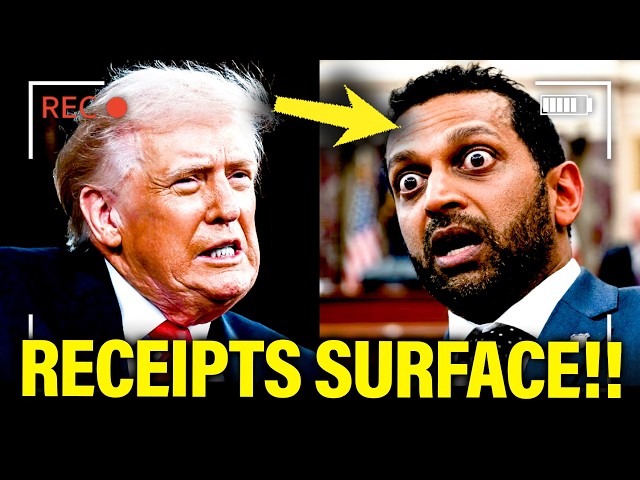
The narrative, often headlined with phrases like “Trump PANICS as Immediate ARREST of Kash Patel is IMMINENT,” portrays Patel as unraveling amid Trump-related investigations and ethical lapses. Yet reliable reporting and official records paint a different picture: no criminal charges, no indictments, and no credible evidence of pending arrest. Patel continues to lead the bureau, announcing high-profile successes such as the March 10 capture of Samuel Ramirez Jr., a top-10 most-wanted fugitive, in Culiacán, Mexico, and testifying before the Senate Intelligence Committee on global threats, including the ongoing Iran conflict.
At the heart of the arrest rumors lies a March 4 complaint filed by the Campaign Legal Center (CLC), a nonprofit focused on government ethics and election law. The CLC urged the Justice Department’s Office of the Inspector General to investigate whether Patel misused government aircraft for at least 10 trips that appeared primarily personal, including a February 2026 journey to the Milan Winter Olympics. There, Patel attended the U.S. men’s hockey gold-medal game and celebrated with the team, after a brief 20-minute security briefing and meetings in Rome. Critics argue the official business was minimal compared to the recreational elements, potentially violating federal travel rules and ethical standards requiring reimbursement for non-official use of taxpayer-funded planes.
The complaint, echoed in similar filings from groups like Citizens for Responsibility and Ethics in Washington, focuses on accountability for expenditures — not criminal prosecution. Inspectors general probe such allegations routinely, often resulting in reimbursement demands, policy changes, or no action. Criminal referral would require findings of serious misconduct, escalation to the Justice Department, and a grand jury indictment — steps that have not occurred. As of March 13, the inspector general had issued no public findings or responses from the department.
Compounding the scrutiny are Patel’s recent personnel decisions. In early March, he dismissed roughly a dozen FBI employees, including agents, analysts, and support staff from a key counterintelligence unit (CI-12) that handled global threats, including those from Iran and its proxies. Sources told outlets like CNN and CBS News that many had ties to prior investigations, such as the classified-documents probe at Mar-a-Lago pursued by special counsel Jack Smith. The firings, which one insider called “devastating” to the bureau’s Iran program, occurred just days before U.S.-Israeli strikes escalated into broader conflict with Iran.
National security experts have raised alarms about the timing, warning that losing seasoned expertise could impair assessments of Iranian military capabilities, espionage, and proxy activities amid active hostilities that have already claimed American lives and driven oil prices higher. Patel has defended his leadership by highlighting operational gains, including record captures of child predators, drug seizures, and a historic drop in murder rates, attributing them to expanded resources under the current administration.
The arrest claims appear rooted in misrepresentations of these developments. Some viral videos conflate the ethics complaint with criminal jeopardy or invent courtroom drama involving a judge’s supposed contempt threat — elements absent from mainstream coverage. Patel has faced congressional grilling, including heated exchanges over firings and operational claims, but he has pushed back forcefully, dismissing much of the criticism as partisan “clickbait auditions.”
The episode underscores broader tensions in the Trump administration’s second term: loyalty-driven personnel moves clashing with demands for impartiality in law enforcement, especially during wartime. With the Iran conflict intensifying, questions linger about whether the FBI’s analytical capacity has been compromised for political ends. Yet the sensational arrest storyline distracts from documented issues — the CLC inquiry, the firings’ national security implications, and ongoing oversight of executive-branch conduct.
Patel, appointed in February 2025, shows no signs of stepping aside or facing detention. As the inspector general process unfolds slowly and methodically, the real accountability may emerge through institutional channels rather than dramatic headlines. In an era of polarized narratives, distinguishing verified facts from viral fiction remains essential.






