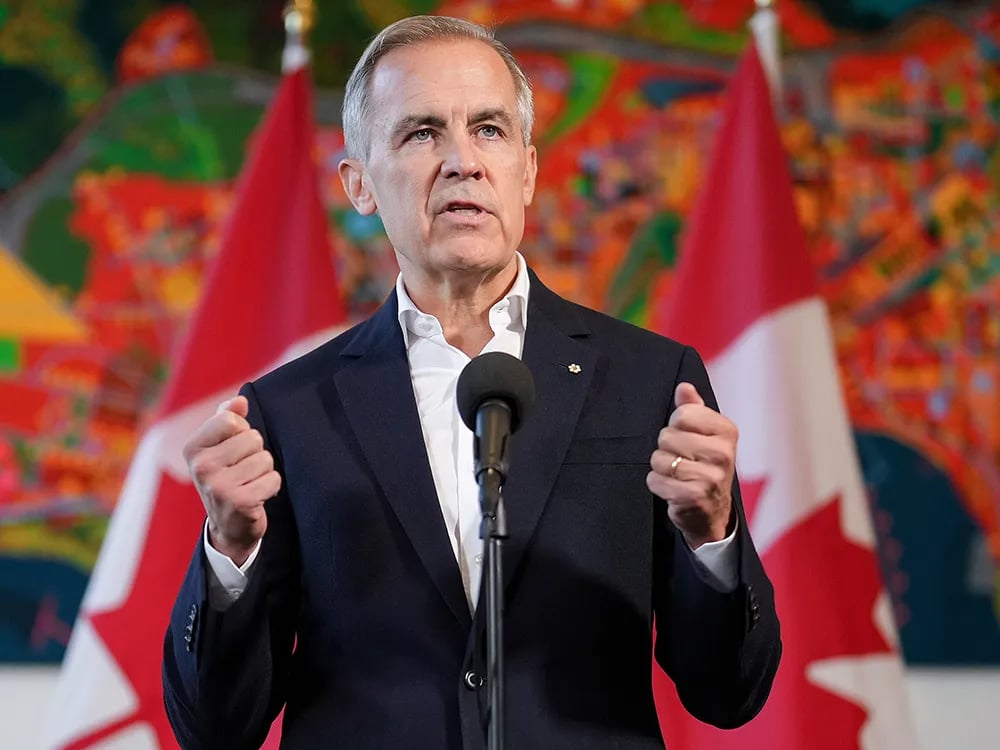
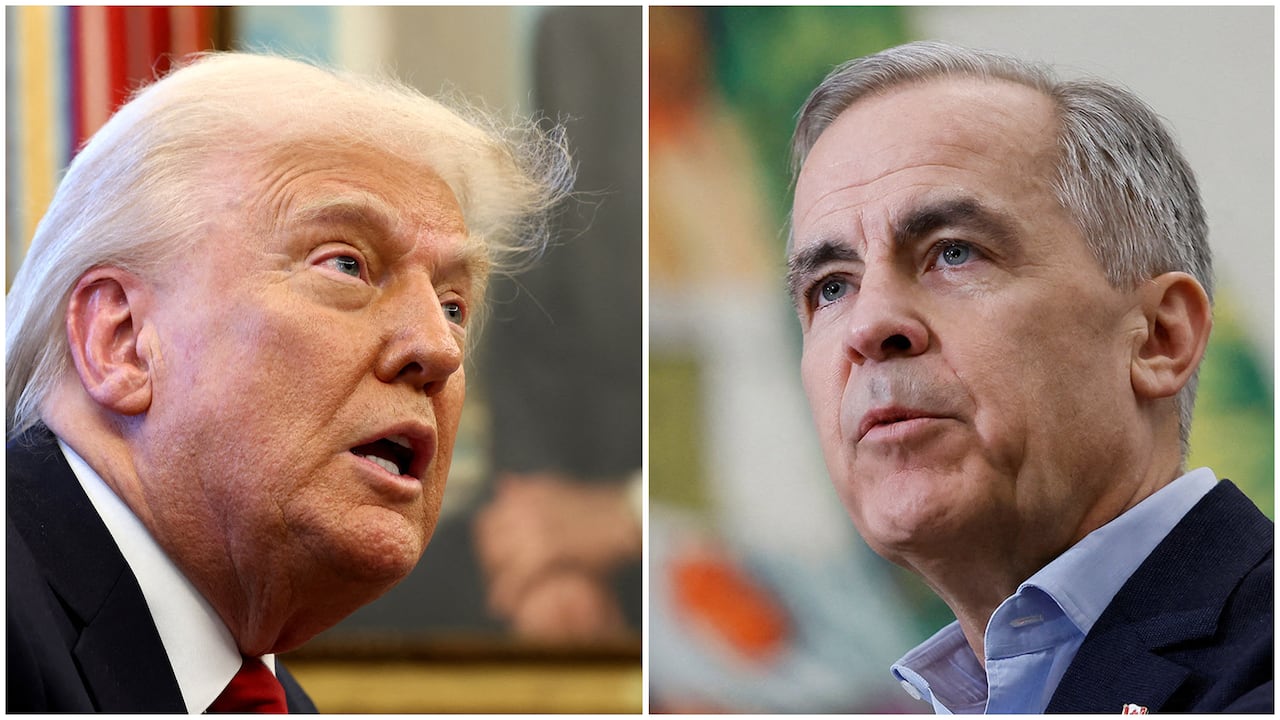
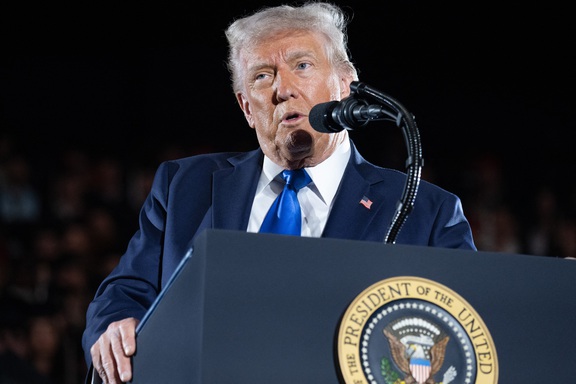
OTTAWA — For months, the narrative radiating from Mar-a-Lago and the corridors of the U.S. Trade Representative’s office has been one of absolute American dominance. President Trump has characterized the United States-Mexico-Canada Agreement (USMCA)—or KUSMA, as it is known here—as “transitional” and “expired,” asserting that he holds all the cards in a game where Canada must either submit to a permanent tariff regime or face economic isolation.
But as the July 1st deadline looms—a mere 100 days away—a different reality is beginning to crystallize within the West Block of Canada’s Parliament. Prime Minister Mark Carney, a man whose career has been defined by the cold calculus of central banking, is sitting on a hand of five strategic “cards” that Washington has yet to see played. This is not the reactive, polite diplomacy of Canadian iterations past; it is a clinical exercise in asymmetric leverage.
The Continental Jugular: Crude Oil
The most potent card in Mr. Carney’s hand is flowing through the very veins of American industry. Canada supplies more than 60 percent of all U.S. crude oil imports—a staggering figure that dwarfs the combined contributions of OPEC.
The North American energy system is not merely a trade relationship; it is a physical integration of pipelines and electrical grids larger than the landmass of Russia. American refineries in the Midwest—the very heart of Mr. Trump’s political base in Michigan, Ohio, and Illinois—were engineered specifically to process Canadian heavy crude. There is no “Plan B.” To slap tariffs on this flow would be to invite an immediate, self-inflicted inflationary shock at every gas pump in America. While Ottawa hasn’t breathed a word of restriction publicly, the silence is, in itself, a form of high-tension leverage.
The Critical Mineral Arsenal
If oil is the legacy card, critical minerals are the future. As the United States desperately seeks to “de-risk” its supply chains from China—which controls 60 percent of the world’s processed rare earth elements—it has found its most viable alternative in the Canadian North.
Canada possesses the largest undeveloped reserves of lithium, cobalt, and nickel in the Western world. In a move of calculated strategic patience, the Carney government has pointedly declined to join recent U.S.-led mineral trade blocs. Foreign Affairs Minister Anita Anand has been explicit: critical minerals will not be settled in a side deal. They are the “ace in the hole” for the main KUSMA negotiations. Washington wants the minerals to power its EV revolution and military hardware; Ottawa will grant them, but only for the right price in trade exemptions.
The $28 Billion Stealth Fighter Pivot
Perhaps the most theatrical of Canada’s cards involves the F-35 Lightning II. Canada has a contractual commitment to purchase a fleet of 88 stealth fighters from Lockheed Martin, a deal valued at approximately $28 billion. However, for a year, the Carney government has kept this purchase “under review.”
The ambiguity is intentional. By entertaining the Saab Gripen—a Swedish alternative that could be manufactured domestically in Canada—Ottawa has placed a multi-billion-dollar bullseye on U.S. defense manufacturing jobs. In the transactional world of the Trump administration, $28 billion flowing into American factory towns is a powerful sedative against protectionist impulses. It is an offer Carney hasn’t made yet, but one that every lobbyist in Washington knows is on the table.
Pension Power and Political Calendars
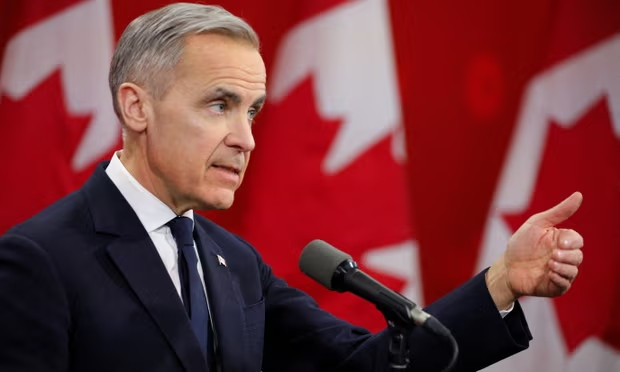
The final two cards are subtler but no less lethal. Canada’s pension funds—among the largest institutional investors on the planet—manage hundreds of billions in American infrastructure and real estate. Mr. Carney, a veteran of Goldman Sachs and the Bank of England, understands how to frame this as a “win” for the Trump base: Canadian capital can rebuild American roads, but only if Canadian steel is allowed to build them tariff-free.
Finally, there is the card of the calendar. The U.S. midterm elections in November represent a ticking clock for the Republican Party. With 60 percent of Americans already opposing tariffs and expressing anxiety over the cost of living, every month Canada holds out is a month that the political price of a trade war rises for vulnerable GOP incumbents.
Conclusion: The Art of the Hold
The risks for Canada are visceral. GDP has contracted, and unemployment sits at a stubborn 6.7 percent. The Bank of Canada is paralyzed by the inflationary ghost of the Middle East conflict. To walk away from KUSMA would be to court a recession that could define a generation.
Yet, Mr. Carney appears to be betting on the fact that while Trump likes to talk about “the deal,” Canada is the one holding the infrastructure of the American economy together. At the World Economic Forum in Davos, Carney remarked that “patience wins.”
As July 1st approaches, the world is watching to see if this former central banker will blink. But for the first time in decades, the person sitting across from the American President isn’t just asking for a seat at the table—they are the ones who built the table, and they are prepared to walk away from it if the terms aren’t right.