The Squeeze That Strengthened: How Trump’s Threats Forged a United Canadian Front and Shattered Internal Trade Walls
In a stunning display of national unity that has reverberated across the border, the Canadian Parliament has enacted the most significant reform to its internal trade system in a generation, a move directly accelerated—and in the eyes of Ottawa, necessitated—by the aggressive trade pressure from former U.S. President Donald J. Trump. What the Trump administration intended as a leveraging tactic to extract continental concessions has spectacularly backfired, transforming into a catalyst for Canadian economic sovereignty and a glaring symbol of American diplomatic overreach.
The Canadian Internal Trade Modernization Act, passed with rare bipartisan fury, effectively bulldozes long-standing provincial trade barriers that have for decades hobbled domestic commerce, from restrictive procurement rules and conflicting professional certifications to limits on the movement of goods like alcohol and agricultural products. Its passage, just weeks after Trump’s latest threat of “auto tariffs on all Canadian-made cars,” was framed not as a routine policy update, but as a direct act of national resilience.

From External Threat to Internal Unleashing
“The message from the south was clear: our economy was a target,” declared the Canadian Minister of Intergovernmental Affairs during the bill’s final reading. “So our response is equally clear: we will strengthen our own house so profoundly that no external pressure can shake its foundations.” The political theater was unmistakable. Lawmakers from all major parties took turns linking the urgency of the bill to the “existential lesson” taught by Trumpian volatility—that dependence on the U.S. market, without a robust domestic economy, is a critical vulnerability.
The legislation is a direct economic counterpunch. By creating a seamless internal market, Canada aims to boost its GDP by an estimated 2-4% annually, unleash small and medium-sized enterprises to scale nationally overnight, and foster homegrown champions less reliant on U.S. supply chains. In essence, Trump’s external squeeze prompted Canada to finally apply its own, long-discussed internal pressure to unlock dormant economic potential.
A Humiliating Rebuke for the “Dealmaker”
For Donald Trump, who has built a political brand on being the consummate negotiator who always wins, the episode is a profound humiliation. His strategy of applying maximum pressure to fracture allied resolve and force a favorable deal has, in this instance, achieved the precise opposite. Rather than cracking, Canada solidified. The “bully who blinked” narrative is now being weaponized by his political opponents at home and studied by capitals abroad.
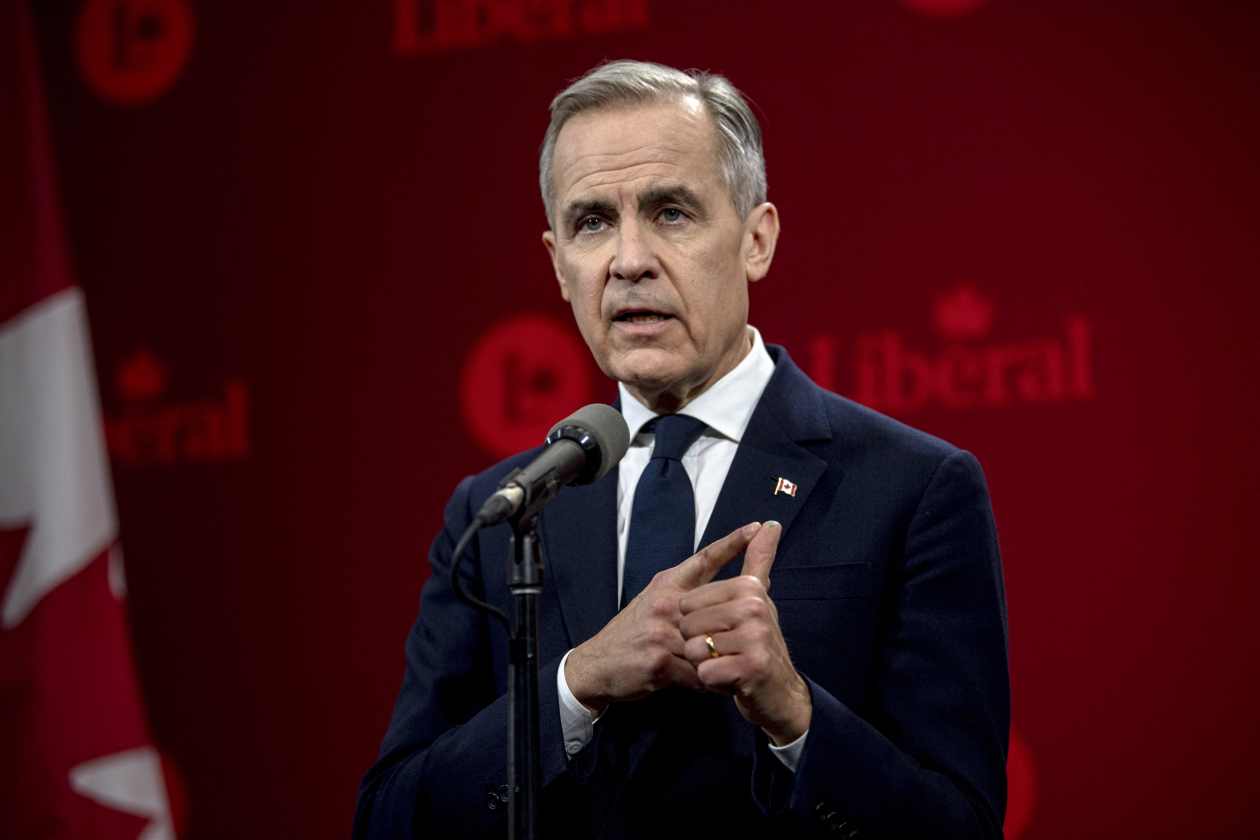
“This is a classic case of strategic miscalculation,” said a former U.S. trade negotiator. “The assumption was that Canada, as the smaller partner, would capitulate under threat. Instead, you unified their political class, gave them a powerful nationalist rallying cry, and handed them the political capital to pass painful, long-stalled reforms. You didn’t break their will; you forged it into steel.”
The Ripple Effects: A New Playbook for Allies?
The fallout extends far beyond a single piece of legislation. The spectacle has provided a potent playbook for other nations facing similar pressure: internal unity and accelerated self-reliance as the ultimate deterrent. It signals that Trump’s signature “maximum pressure” tactic can be countered not by direct confrontation, but by inward-focused fortification.
Furthermore, it hobbles Trump’s broader trade crusade narrative. If his threats against a close ally like Canada result not in surrender but in a stronger, more integrated competitor, what does that say about the efficacy of his approach with less-friendly nations? It suggests a brittleness to his influence, revealing that intimidation can galvanize opposition as easily as it can enforce compliance.
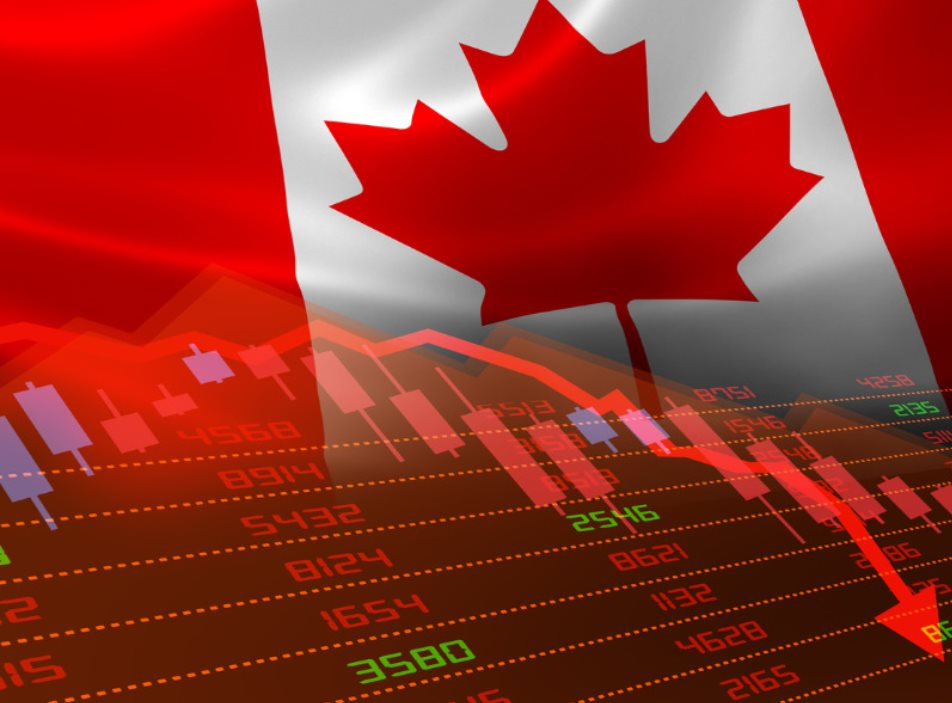
The 2026 World Cup visa debacle showed allies could route around America. The Starlink rejection showed they could technologically decouple. Now, the Canadian internal trade revolution demonstrates they can institutionally harden themselves against American economic coercion. Together, these events paint a picture of a traditional superpower whose leverage is diminishing not through defeat in battle, but through the deliberate, calculated actions of allies deciding to build their own tables rather than negotiate at his.
In Ottawa, the mood is one of defiant triumph. In Washington, among Trump’s critics and allies alike, it is one of sober recalculation. The lasting legacy of this chapter may be that the loudest pressure from the south succeeded not in bending Canada to its will, but in finally forcing it to build an unbreakable backbone.






