PARTY AT WAR: THE POWELL STANDOFF, TRUMP’S PRESSURE CAMPAIGN, AND A REPUBLICAN MELTDOWN ROCKING WASHINGTON
Washington awoke to turmoil after a fresh eruption in the long-simmering clash between former President Donald Trump and Federal Reserve Chair Jerome Powell spilled into public view with extraordinary intensity.
What had lingered as ideological tension suddenly escalated into reported probes, threatened subpoenas, and public accusations, transforming a policy dispute into a political spectacle that stunned even seasoned Capitol insiders.
According to multiple accounts circulating among lawmakers, Trump intensified pressure by floating Department of Justice scrutiny connected to controversies surrounding a massive Federal Reserve building renovation project.
Allies of the former president framed the move as accountability, arguing fiscal oversight is essential when public institutions manage enormous sums with limited transparency and little direct voter control.
Critics immediately countered that the tactic resembled intimidation, warning that weaponizing investigative threats against monetary authorities risks undermining market stability and institutional independence.
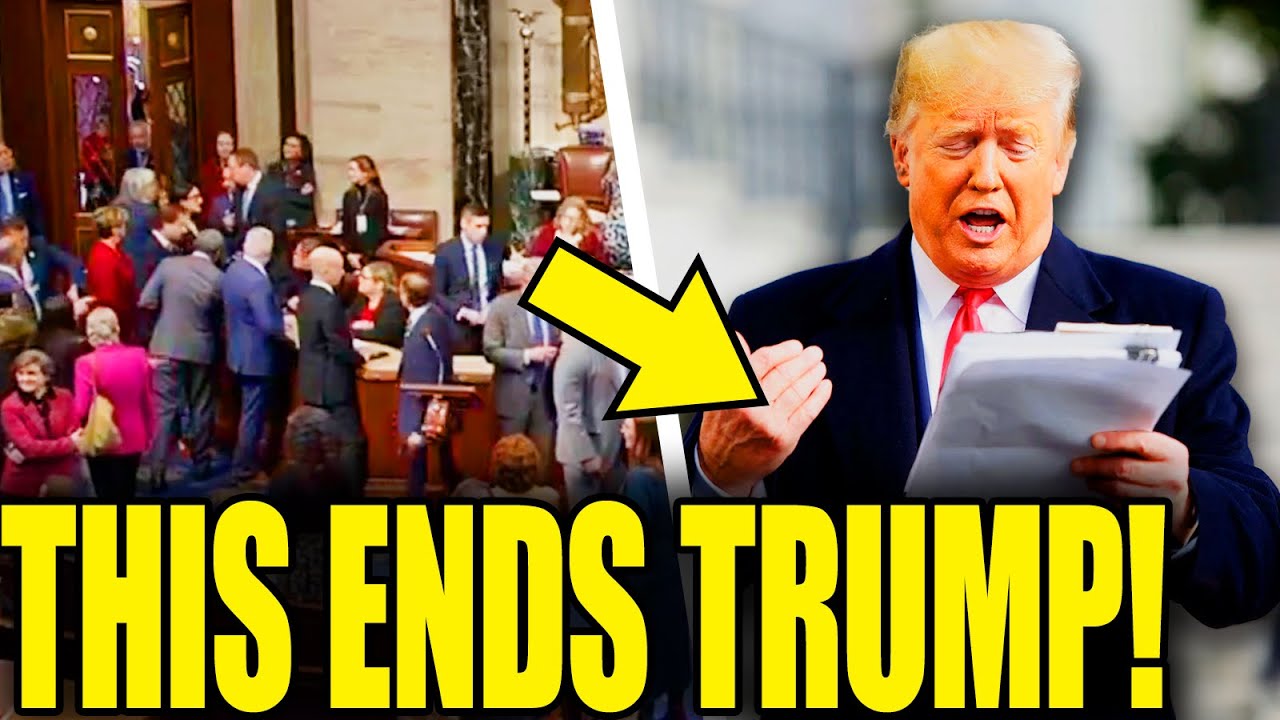
The shockwave did not stop with Democrats. Instead, it detonated inside Trump’s own party, where prominent Republicans reportedly recoiled at the ferocity of the attack.
Several GOP senators, speaking anonymously, described growing unease, suggesting the confrontation could jeopardize broader legislative priorities and fracture party unity at a precarious moment.
Whispers quickly spread that some Republicans were prepared to block nominations, slow confirmations, and freeze cooperation until the standoff cooled and clearer boundaries were restored.
At the center of the storm, Jerome Powell’s term suddenly appeared less procedural and more existential, with allies urging resilience while opponents sensed vulnerability.
Sources close to Powell suggested he was digging in, determined to defend the Federal Reserve’s independence regardless of political crossfire or personal consequence.
Markets watched nervously as headlines multiplied, with analysts warning that prolonged uncertainty around the Fed’s leadership could ripple through investor confidence and economic expectations.
Online, the backlash erupted instantly, with hashtags surging across platforms as supporters and critics alike struggled to process the scale of intra-party conflict.
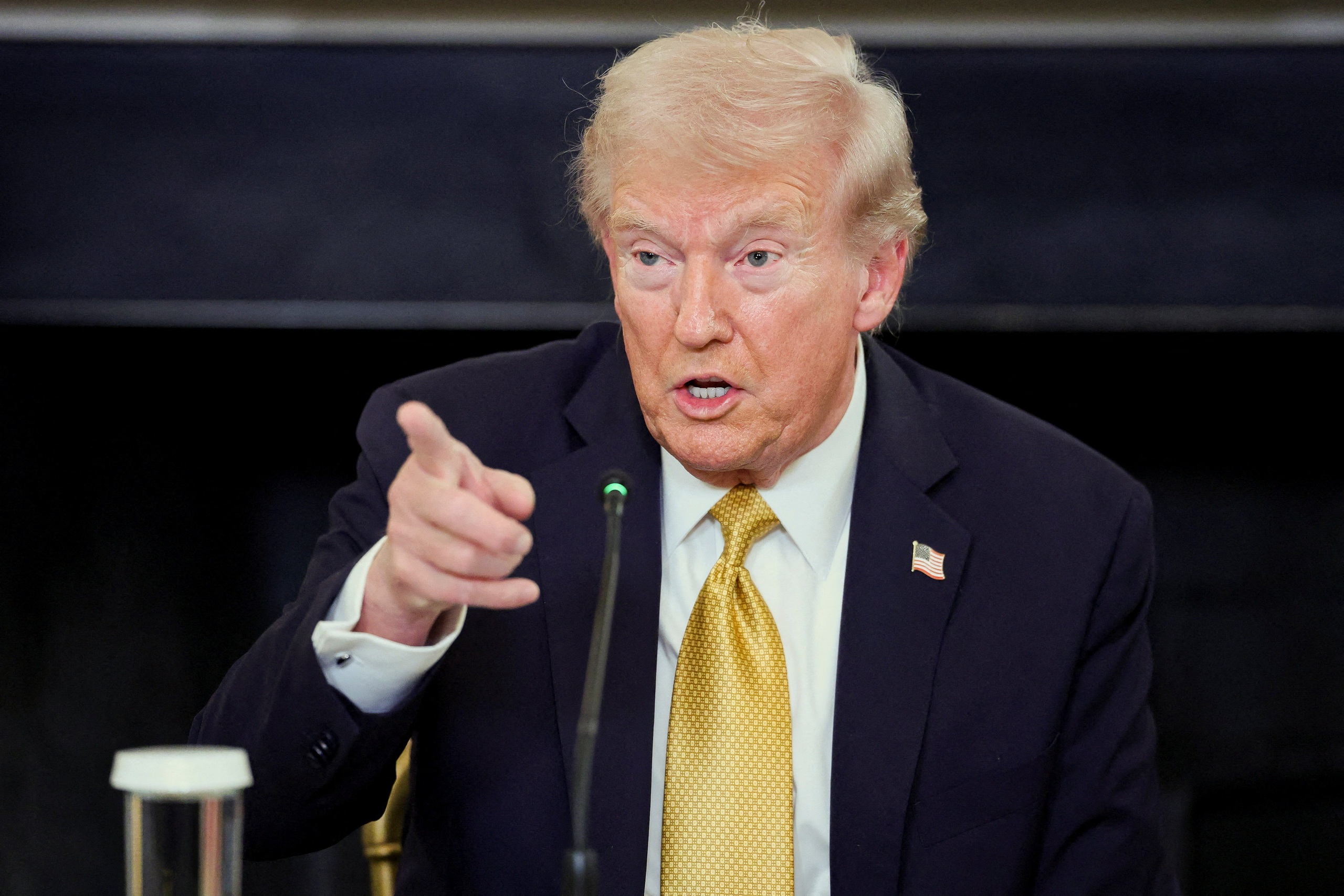
For Trump loyalists, the confrontation symbolized long-standing frustration with unelected technocrats shaping economic life without direct accountability to voters.
For establishment Republicans, the episode felt like a dangerous escalation, threatening to tether the party to institutional chaos rather than disciplined governance.
Commentators noted the irony: a party traditionally championing market stability now publicly feuding over the fate of the central bank that underpins it.
The timing intensified anxiety, arriving just as major nominations and fiscal debates loom, moments when unity often determines leverage and outcomes.
Some GOP strategists privately warned that prolonged infighting could hand opponents an opening, reframing Republicans as divided and unpredictable.
Others argued the revolt signaled healthy resistance, proof that not all Republicans were willing to follow Trump into a scorched-earth confrontation.
Democrats, meanwhile, watched closely, amplifying calls to protect the Fed from political pressure while quietly welcoming Republican disarray.
Media coverage escalated the drama, with breathless chyrons and rapid-fire panels dissecting every rumor, denial, and anonymous quote.
Fact-checkers urged caution, reminding audiences that threats and probes discussed publicly do not always materialize into formal actions or legal findings.
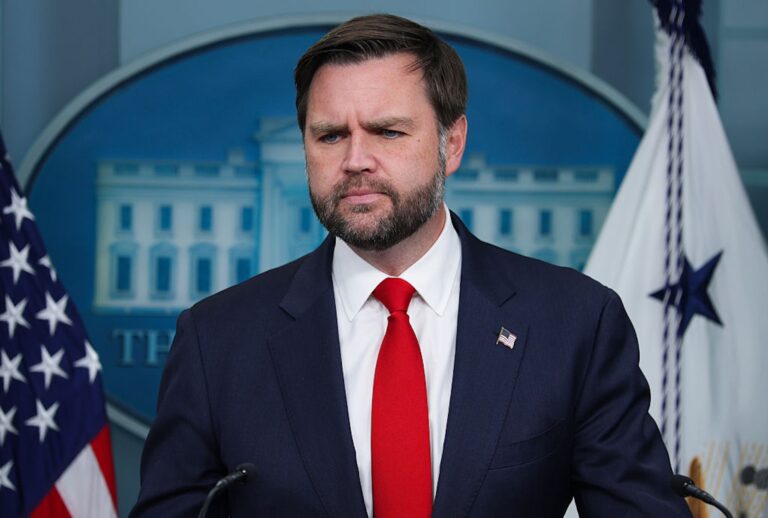
Still, the perception of chaos proved powerful, reinforcing narratives of instability that spread faster than clarifications or procedural realities.
Veteran lawmakers compared the moment to past institutional crises, noting how quickly rhetoric can harden positions and narrow paths back to compromise.
Behind closed doors, aides reportedly scrambled to assess fallout, mapping scenarios ranging from temporary standoffs to protracted paralysis.
Powell’s defenders emphasized the Fed’s mandate, arguing that monetary policy must remain insulated from political vendettas to function effectively.
Trump’s allies countered that insulation should never mean immunity, insisting scrutiny is warranted when public money and authority intersect.
The clash illuminated a deeper philosophical divide within the Republican Party over power, loyalty, and the limits of populist confrontation.
As the story spiraled, algorithms rewarded outrage, pushing the most explosive interpretations to millions before sober analysis could gain traction.
Viewers encountered a cascade of clips, edits, and commentary, each sharpening angles and flattening nuance into shareable certainty.
Policy experts lamented the distortion, warning that complex institutional questions were being reduced to spectacle and partisan theater.
Yet spectacle drove engagement, and engagement drove visibility, ensuring the story dominated feeds and conversations nationwide.
With each passing hour, the stakes appeared to rise, not necessarily because facts changed, but because perceptions calcified.
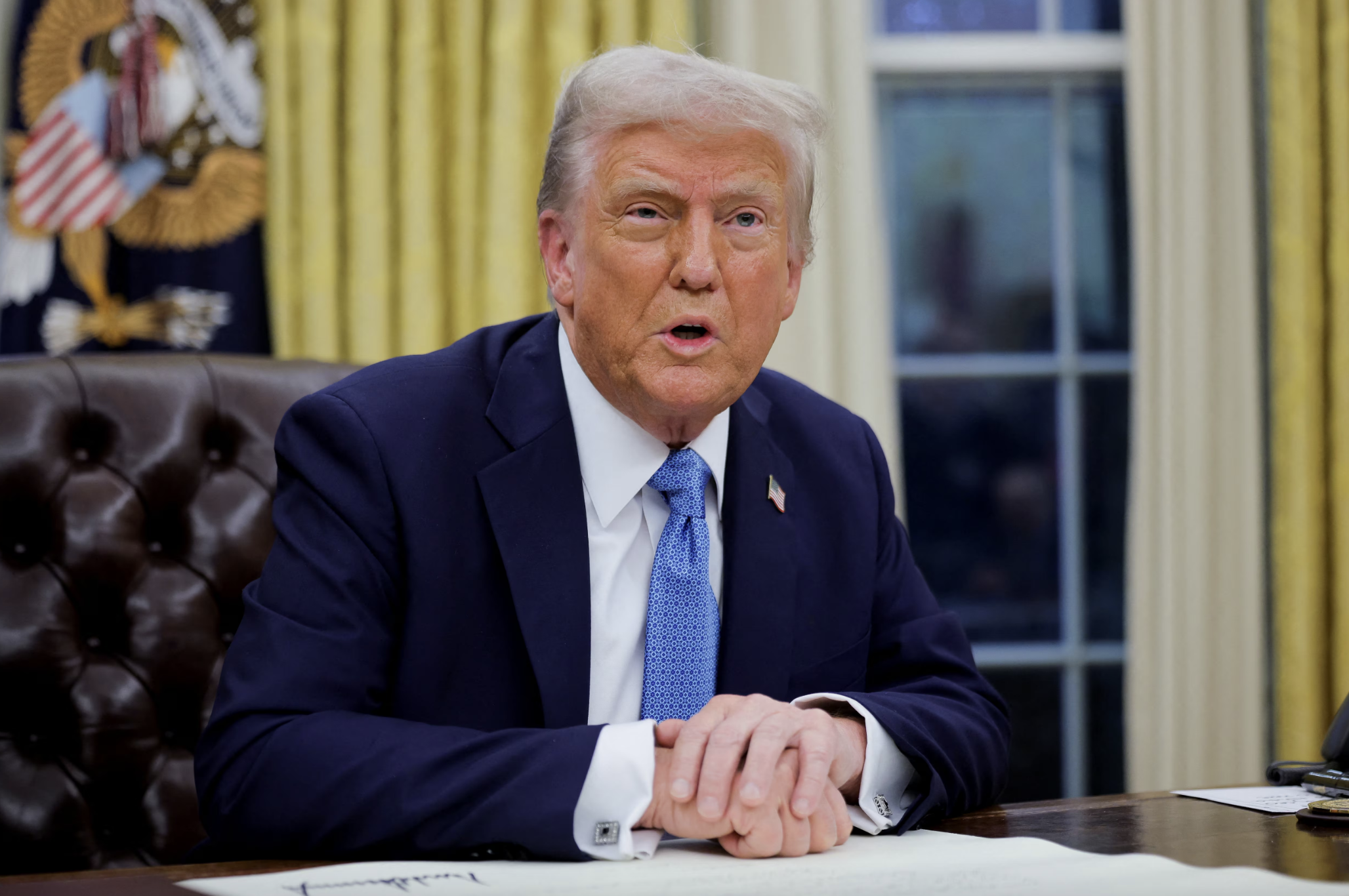
Whether the revolt signals a fleeting flare-up or a lasting fracture remains uncertain, but its immediate impact is undeniable.
The Republican Party now faces a test of cohesion, balancing deference to Trump with institutional preservation and electoral calculation.
For Powell, the episode underscores the precariousness of independence in an era of relentless political pressure and viral outrage.
For the public, the drama offers a sobering reminder of how quickly governance can become performance when power, pride, and platforms collide.
As Washington braces for the next move, one truth stands clear: the chaos has already landed, and the aftershocks are only beginning.
Watch closely, analysts urge, because in this climate, today’s threat can become tomorrow’s precedent, reshaping norms long after headlines fade.
Note: This is not an official announcement from any government agency or organization. The content is compiled from publicly available sources and analyzed from a personal perspective.






