Washington was jolted awake this week by a moment so quiet, yet so symbolically explosive, that it has rapidly escalated into a national flashpoint. Without public notice, press release, or official explanation, workers were seen carefully chiseling away the name of Donald Trump from a prominent area associated with the John F. Kennedy Center for the Performing Arts—a move that has sent shockwaves through political, cultural, and media circles alike.
What initially appeared to be routine maintenance quickly morphed into a viral moment after images and short video clips began circulating online. Within hours, social media platforms were flooded with reactions ranging from celebratory applause to furious condemnation. For critics of the former president, the removal was long overdue—a symbolic correction in one of America’s most revered cultural institutions. For supporters, it was nothing short of an ideological purge, carried out in silence and without accountability.
The Kennedy Center, often described as the nation’s cultural heartbeat, has historically sought to remain above partisan conflict. That reputation is now under intense scrutiny. The absence of an immediate explanation has only amplified speculation. Was the name removed due to structural renovations? A quiet administrative decision? Or was it, as some allege, a deliberate cultural rebuke aimed squarely at Trump and the political movement he represents?
Behind the scenes, insiders describe growing tension between the Center’s leadership and political figures who believe the arts have increasingly become a battleground for ideological signaling. Several Republican lawmakers have already demanded answers, accusing the institution of abandoning neutrality and engaging in what they call a “covert act of political erasure.” One senior aide described the move as “a silent strike meant to humiliate, not inform.”
On the other side, progressive voices argue that the controversy itself proves how deeply polarized the country has become. They note that Trump’s relationship with the Kennedy Center was fraught from the beginning, marked by his refusal to attend annual honors ceremonies during his presidency. To them, the removal is less about revenge and more about recalibrating the institution’s values in a post-Trump era.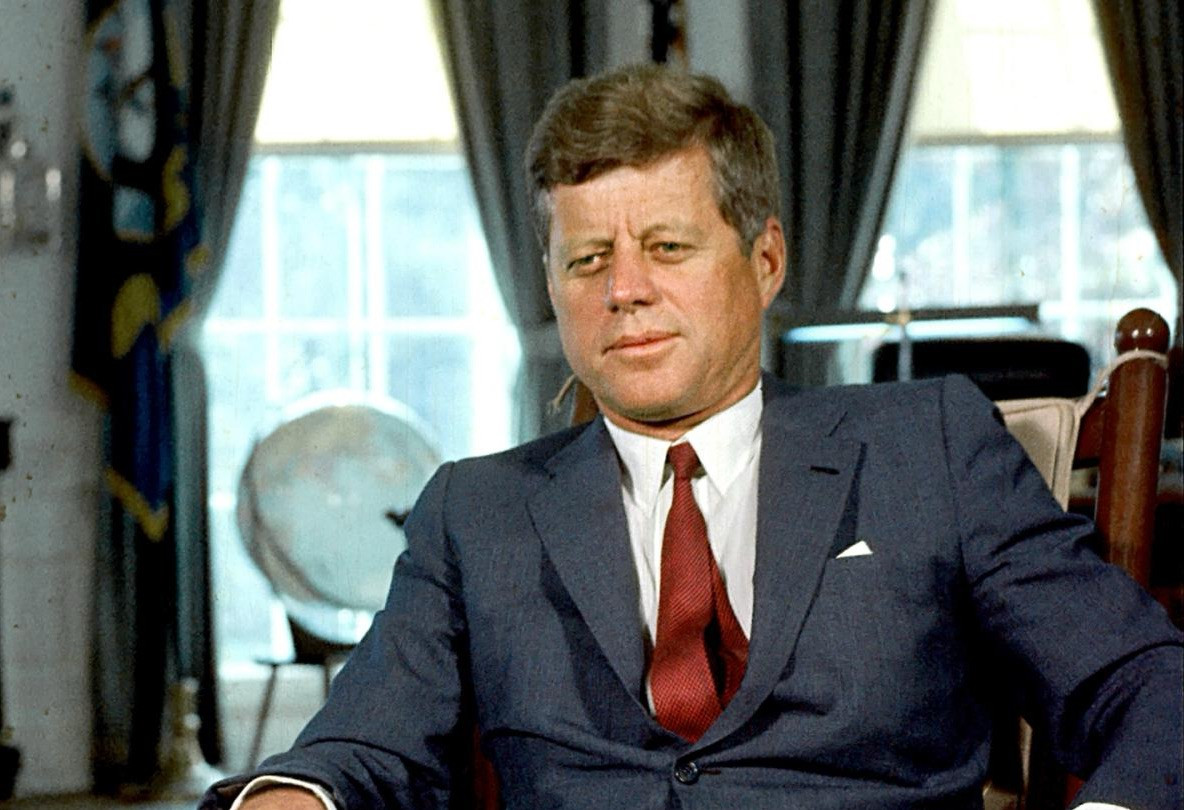
Still, the symbolism is impossible to ignore. Names etched in stone are meant to convey permanence, legacy, and historical recognition. Their removal—especially without explanation—suggests something far more profound than a facilities update. Cultural historians warn that such acts, when conducted quietly, risk deepening public mistrust. “When institutions act without transparency,” one scholar noted, “they invite the public to fill the silence with suspicion.”
As Washington reacts, the Kennedy Center remains tight-lipped. Requests for clarification have so far been met with carefully worded statements referencing “ongoing reviews” and “operational decisions,” but offering no direct acknowledgment of the name’s removal. That silence has become its own accelerant, fueling talk shows, political podcasts, and cable news panels across the country.
Whether this was an intentional statement or an administrative decision misread in a hyper-polarized climate, the impact is undeniable. In a city where symbolism often matters as much as policy, one quiet act has reopened a familiar question: who gets remembered, who gets removed, and who decides?
For now, the chiseled stone has become more than stone. It is a mirror reflecting a nation still wrestling with its past, its politics, and the uneasy intersection of culture and power.