Senior Federal Prosecutors Resign in Minnesota After Dispute Over Justice Department Directive
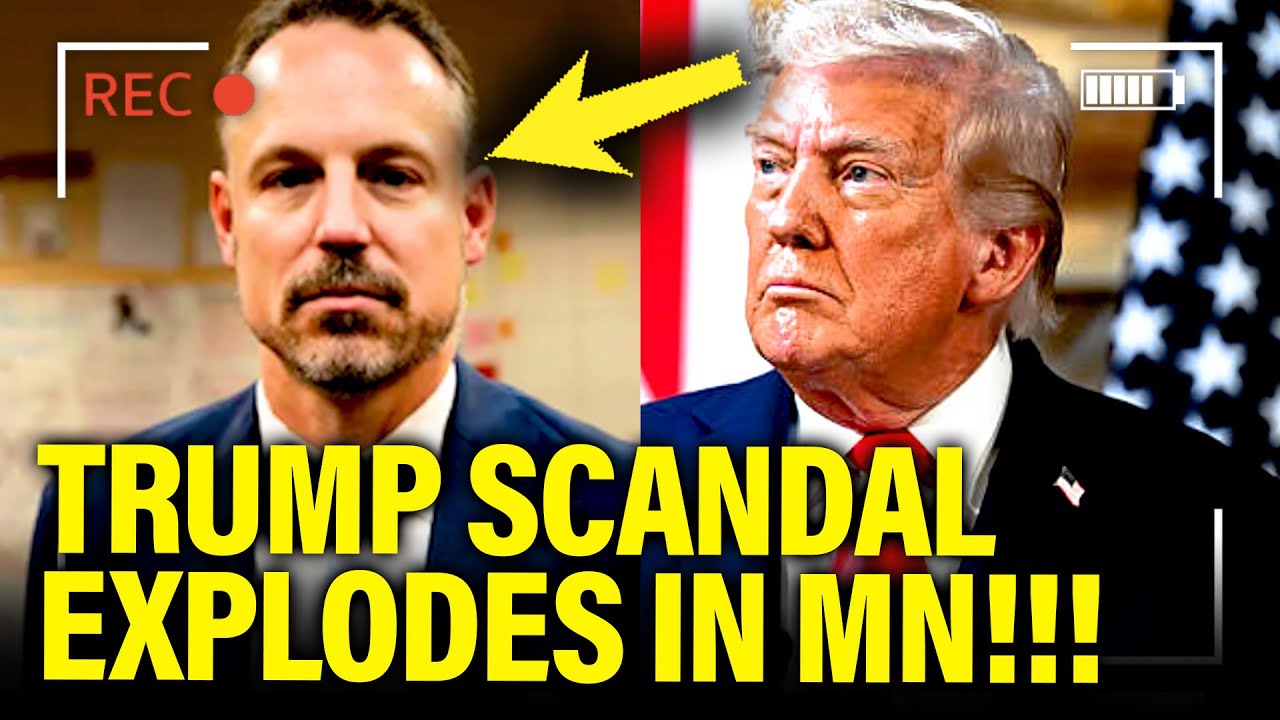
MINNEAPOLIS — The acting United States attorney for Minnesota, Joe Thompson, resigned on Monday along with two senior deputies, according to people familiar with the matter, in what has become one of the most significant internal ruptures at the Justice Department during the Trump administration’s second term.
Mr. Thompson, a career federal prosecutor who had been leading a high-profile fraud investigation into Minnesota child welfare programs, stepped down after the Justice Department pressed his office to pursue a criminal investigation into Becca Good, the widow of Renee Good, a Minnesota resident who was killed during a confrontation involving an Immigration and Customs Enforcement agent earlier this year.
Two senior officials — Harry Jacobs and Melinda Williams — also resigned from the U.S. attorney’s office, people with knowledge of the resignations said. The departures appear to reflect a widening internal dispute over prosecutorial independence, the use of federal law enforcement in politically sensitive cases, and the handling of investigations tied to immigration enforcement.
The Justice Department declined to comment on the resignations or the circumstances surrounding them.
A Dispute Over Prosecutorial Direction
According to people briefed on the matter, senior Justice Department officials urged Mr. Thompson to open a criminal inquiry into Ms. Good, focusing on her political activism, personal associations, and public protests critical of ICE operations in Minnesota. Mr. Thompson and others in his office objected, arguing that there was no factual or legal basis to support such an investigation and that pursuing one would violate long-standing Justice Department guidelines.
Those guidelines, set out in the department’s prosecution manual, require that criminal investigations be based on evidence of criminal conduct rather than political views or protected First Amendment activity.
Mr. Thompson, who has spent decades as a federal prosecutor, is said to have concluded that complying with the directive would breach those obligations.
“This was not a routine disagreement,” said one former Justice Department official familiar with the situation. “It went to the core question of whether prosecutors are being asked to investigate people for who they are rather than what they’ve done.”
Background: A Fatal Encounter and Its Aftermath
The dispute centers on the death of Renee Good, who was fatally shot during an encounter with an ICE agent in Minnesota while she and her wife were observing and protesting immigration enforcement activity. The incident has drawn widespread scrutiny and prompted calls for a federal civil rights investigation into the agent’s conduct.
The Justice Department’s Civil Rights Division has not announced any criminal charges related to the shooting. According to multiple sources, officials within that division were discouraged from pursuing an investigation, despite internal interest in examining whether constitutional violations occurred.
Instead, attention shifted toward Ms. Good, who had publicly criticized ICE operations and participated in protest activity. Supporters say the focus on her amounts to retaliation against constitutionally protected speech.
A Broader Pattern of Departures
Mr. Thompson’s resignation adds to a growing list of departures by career Justice Department officials since the start of the administration. Former prosecutors and legal analysts say the exits reflect increasing tension between political appointees and career staff over the department’s traditional independence.
Pam Bondi, the attorney general, has kept a low public profile in recent weeks amid reports of internal discord. Meanwhile, Todd Blanche, President Trump’s longtime criminal defense lawyer, is widely reported to be playing an influential role in shaping legal strategy within the administration, though he does not hold a formal Justice Department position.
At the same time, the Civil Rights Division — now led by Harmeet Dhillon, a conservative activist attorney — has faced criticism from former officials who say enforcement priorities have been sharply curtailed, particularly in cases involving federal law enforcement.
Minnesota Pushes Back
Minnesota Attorney General Keith Ellison filed a lawsuit on Tuesday in federal court seeking to halt what he described as an “unprecedented and unlawful surge” of ICE and Department of Homeland Security agents in the state.
The complaint asks the court to block federal agents from engaging in warrantless arrests, using force against individuals engaged in First Amendment activity, and conducting immigration enforcement actions outside lawful authority. It also seeks to require agents to wear visible identification and body cameras during operations.
“This has to stop,” Mr. Ellison said at a news conference. “The Constitution does not permit federal agents to operate without accountability or to suppress lawful protest.”
The lawsuit invokes the First, Fourth, and Tenth Amendments, arguing that the federal government exceeded its authority and interfered with state sovereignty.
Legal and Institutional Stakes
Legal experts say the resignations in Minnesota raise serious questions about the Justice Department’s adherence to norms that have guided federal prosecutions for decades.
“The department has long insisted that criminal investigations must be insulated from politics,” said a former federal judge. “When career prosecutors resign rather than carry out directives, it suggests those norms are under extraordinary strain.”
Historically, mass resignations by senior prosecutors have been rare and often associated with moments of constitutional crisis, such as the “Saturday Night Massacre” during the Nixon administration.
While the circumstances differ, the Minnesota departures underscore fears among legal professionals that prosecutorial discretion is being reshaped in ways that could have lasting consequences.
What Comes Next
It remains unclear who will replace Mr. Thompson or whether the Justice Department will continue to pursue inquiries related to Ms. Good. Congressional Democrats have called for oversight hearings, and civil liberties groups are pressing for an independent investigation into the ICE shooting.
For now, the resignations stand as a stark signal from within the Justice Department itself — a message that some prosecutors are unwilling to compromise what they view as foundational principles of justice, even at the cost of their careers.
As the courts begin to weigh Minnesota’s legal challenge and scrutiny of federal immigration enforcement intensifies, the fallout from these departures is likely to reverberate far beyond one U.S. attorney’s office — raising fundamental questions about the balance of power, the rule of law, and the independence of American justice institutions.