President Donald J. Trump’s explosive escalation of threats to seize control of Greenland “the hard way” if Denmark refuses to sell has triggered a full-blown diplomatic crisis across the Atlantic, straining NATO to its breaking point and unifying European allies in fierce opposition. What Trump framed as a necessary move for U.S. national security—preventing Russia or China from gaining a foothold in the Arctic—has instead exposed profound vulnerabilities in American alliance management, with Danish Prime Minister Mette Frederiksen and European leaders warning that any military action would spell the “end of NATO” and the post-World War II transatlantic security order.
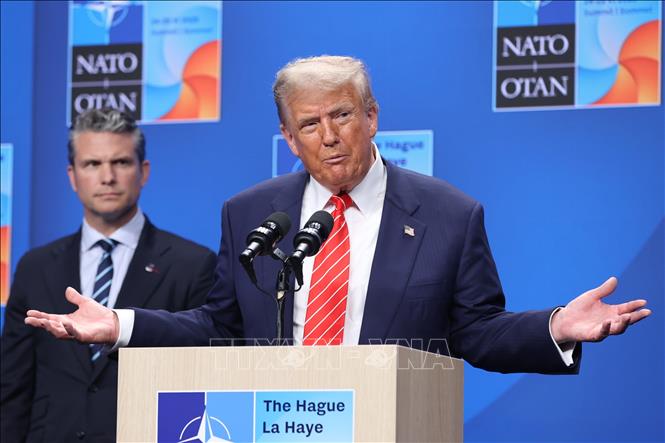
The crisis reignited dramatically on January 9, when Trump, speaking to oil and gas executives at the White House, declared the U.S. would “do something on Greenland, whether they like it or not.” He added: “I would like to make a deal the easy way, but if we don’t do it the easy way, we’re going to do it the hard way.” Trump justified the ultimatum by claiming Greenland is “covered with Russian and Chinese ships all over the place,” a statement dismissed by experts as baseless exaggeration. The rhetoric echoes his 2019 proposal to purchase the island, which Denmark rejected as “absurd,” but now carries the weight of his second-term foreign policy, including the recent military operation in Venezuela.
This “easy way or hard way” ultimatum ties directly into Trump’s revived “Donroe Doctrine”—a modern corollary to the Monroe Doctrine—outlined in the November 2025 National Security Strategy. The policy asserts U.S. primacy in the Western Hemisphere and extends to strategic Arctic assets, aiming to block “extra-hemispheric” rivals like China and Russia. Trump has repeatedly refused to rule out military force, with White House statements noting that “utilizing the U.S. military is always an option.” Administration officials, including Deputy Chief of Staff Stephen Miller, have downplayed resistance, claiming “nobody’s going to fight the United States militarily over the future of Greenland.”
Denmark’s response has been swift and unyielding. Prime Minister Frederiksen described the threats as “completely unacceptable pressure” from America’s closest ally, calling the moment “decisive” and “fateful.” She warned that U.S. aggression against Greenland—a sovereign Danish territory—would activate NATO’s Article 5 collective defense clause, potentially pitting the alliance against itself. “If the United States attacks another NATO country, everything stops,” Frederiksen stated. Greenland’s Prime Minister Jens-Frederik Nielsen, standing alongside her in a joint press conference on January 13, delivered a blunt rebuke: “If we have to choose between the United States and Denmark here and now, we choose Denmark. We choose NATO. We choose the Kingdom of Denmark. We choose the EU.” Greenlandic leaders emphasized that the island “cannot under any circumstances accept” U.S. takeover, vowing to defend sovereignty and self-determination.
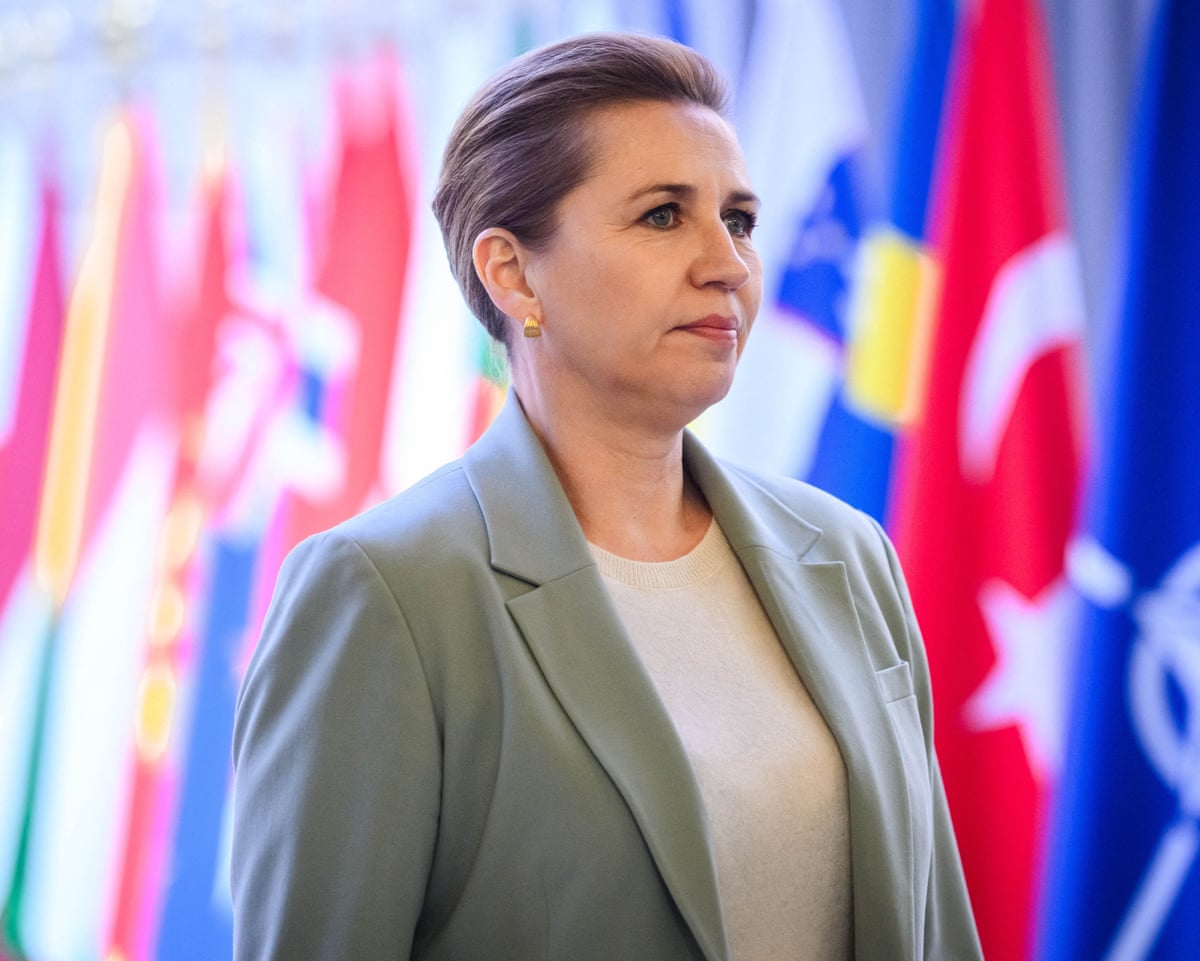
European leaders have rallied in support. German Defense Minister Boris Pistorius called any U.S. move “a real unprecedented situation in the history of NATO.” French President Emmanuel Macron and other Nordic foreign ministers issued joint statements affirming territorial integrity. NATO Secretary General Mark Rutte has signaled efforts to bolster Arctic security through diplomacy, while bipartisan U.S. senators introduced legislation to bar funding for any occupation or annexation.
The deeper motive behind Trump’s bold flex appears rooted in a blend of strategic paranoia and imperial ambition. Greenland’s location controls key Arctic shipping lanes, the GIUK Gap for maritime defense, and vast rare earth minerals critical for clean tech and military applications. Melting ice due to climate change heightens its value, as new routes and resources emerge. Trump views ownership as essential to counter perceived Chinese and Russian encroachment, framing it as preventing adversaries from becoming “neighbors.” Yet critics argue the threats revive 19th-century great-power politics, alienating allies who value international law and sovereignty.

The backfire is evident: rather than intimidating Denmark into submission, the ultimatum has unified opposition. Denmark has accelerated Arctic defense investments, including more F-35 jets, P-8 aircraft, patrol ships, and personnel. Greenland has rejected U.S. influence operations, while European powers discuss enhanced NATO presence. High-stakes talks at the White House on January 14 between U.S. officials like Vice President JD Vance and Secretary of State Marco Rubio, and Danish/Greenlandic foreign ministers, aim to de-escalate—but sources describe them as tense, with Copenhagen demanding an end to threats.
American strategists now confront fractured transatlantic ties and a unified Nordic/EU backlash. Polls show overwhelming Greenlandic opposition to U.S. control, and Denmark’s intelligence has classified the U.S. under Trump as a potential security threat. Analysts warn this could mark the breaking point for U.S. dominance claims: allies once reliant on American protection now question reliability, accelerating diversification and self-reliance.
As cameras roll on this unfolding showdown, the Arctic security map shifts rapidly. Trump’s “Donroe” vision, meant to assert unchallenged preeminence, has instead highlighted isolation. With midterms approaching and global rivals watching, the crisis tests whether American leadership can survive its own aggressive impulses—or if the alliance Trump helped build will fracture under his watch.






