Hours after reports emerged confirming U.S. military involvement in a high-risk operation in Venezuela, Speaker Mike Johnson delivered a statement that immediately sent tremors through Capitol Hill. What began as a measured reassurance quickly escalated into one of the most analyzed political moments of the week, raising questions about motive, timing and the broader message being signaled from the nation’s highest legislative office.
“Americans should sleep a little better tonight,” Johnson began — a line that struck some observers as uncharacteristically composed for a night carrying heavy geopolitical consequences. The remark, delivered without the slightest hesitation, registered as both calming and oddly foreboding. His tone, steady and deliberate, painted an image of confidence that belied the atmosphere inside Washington, where few claimed to have full visibility into the scope of the operation.
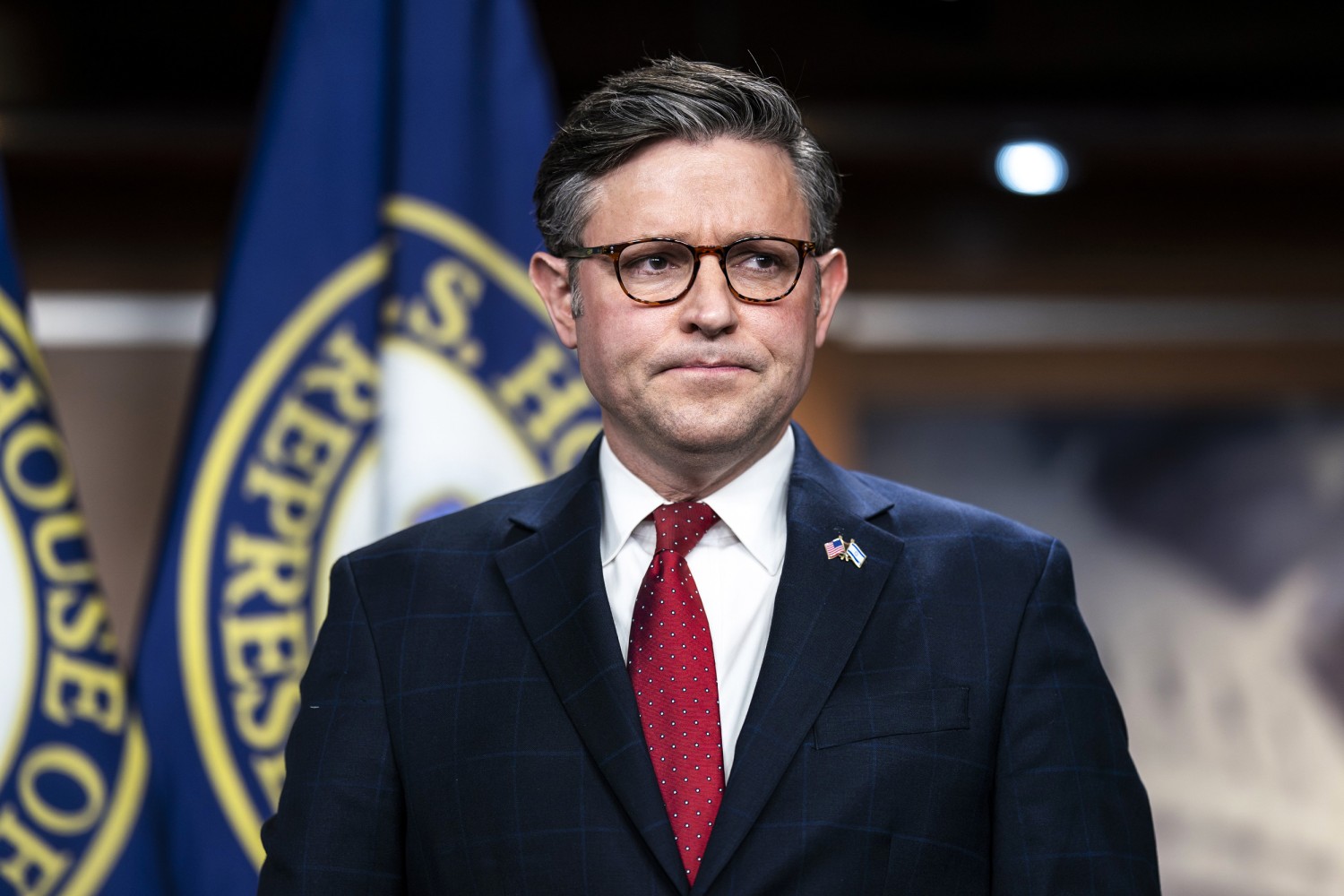
The pivot came seconds later. Johnson praised what he described as the U.S. military’s “decisive and justified action” in Venezuela — wording that immediately appeared in headlines across domestic and international outlets. Though the Speaker did not elaborate, the phrase set off a wave of phone calls throughout the capital. Senior aides, congressional offices, and foreign policy analysts began scrambling to interpret the intent behind the statement. According to multiple staff members, the language was not a simple commendation but a carefully calibrated signal.
The context only intensified speculation. The operation itself had been shrouded in uncertainty, with details surfacing unevenly through media leaks and unofficial briefings. Some lawmakers were reportedly briefed only minutes before Johnson appeared on camera, while others learned through press notifications. In such an environment, a high-ranking government official choosing assertive language — especially one tied to use of force — was bound to ignite debate.
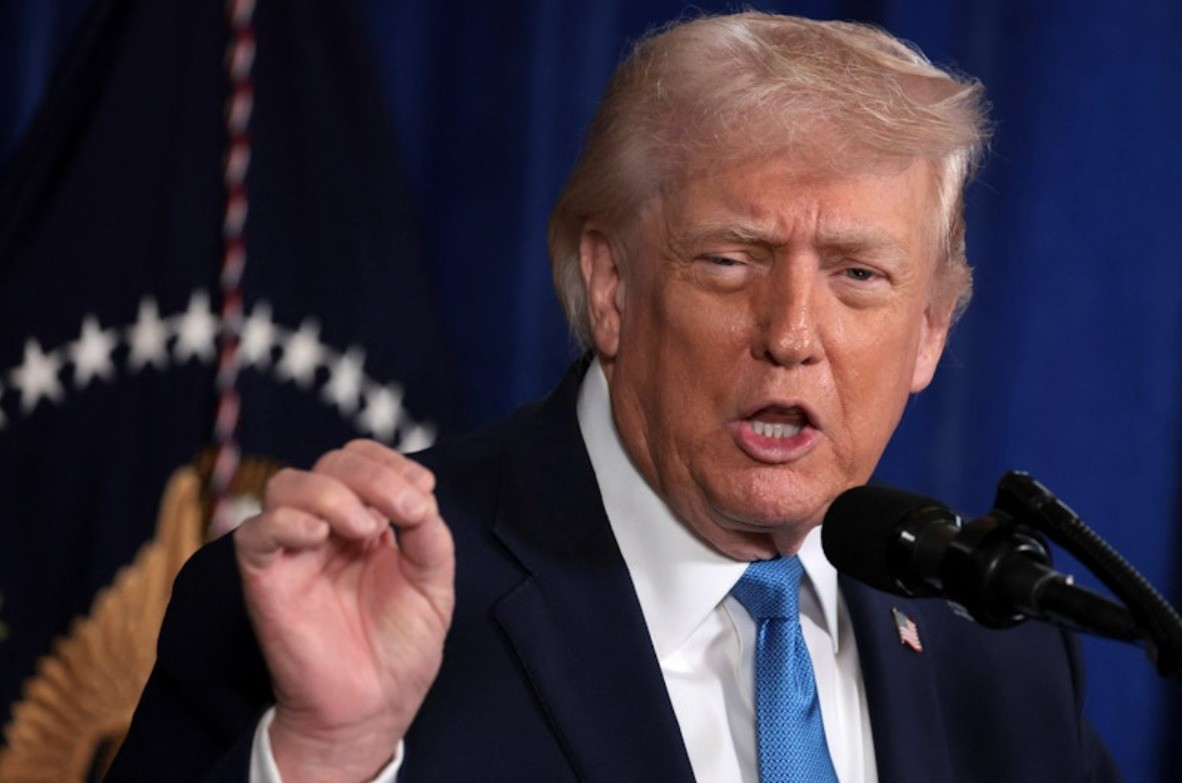
Insiders say Johnson’s wording was unusually pointed. “Decisive” and “justified” are not casual descriptors in national security discourse; they suggest both urgency and legitimacy, often used to frame actions taken under ambiguous or contested circumstances. That framing, analysts noted, could indicate an attempt to establish narrative control before additional details emerge. The timing — late in the evening, when public attention begins to fade — added another layer of intrigue.
Within policy circles, the scramble was immediate. Analysts plugged Johnson’s remarks into broader patterns: recent shifts in congressional posture toward foreign engagements, quiet rifts within the Republican conference over executive authority, and mounting concerns about the visibility of U.S. strategy in Latin America. A recurring question surfaced across think-tank conversations: Was Johnson responding to the events, or attempting to shape what comes next?
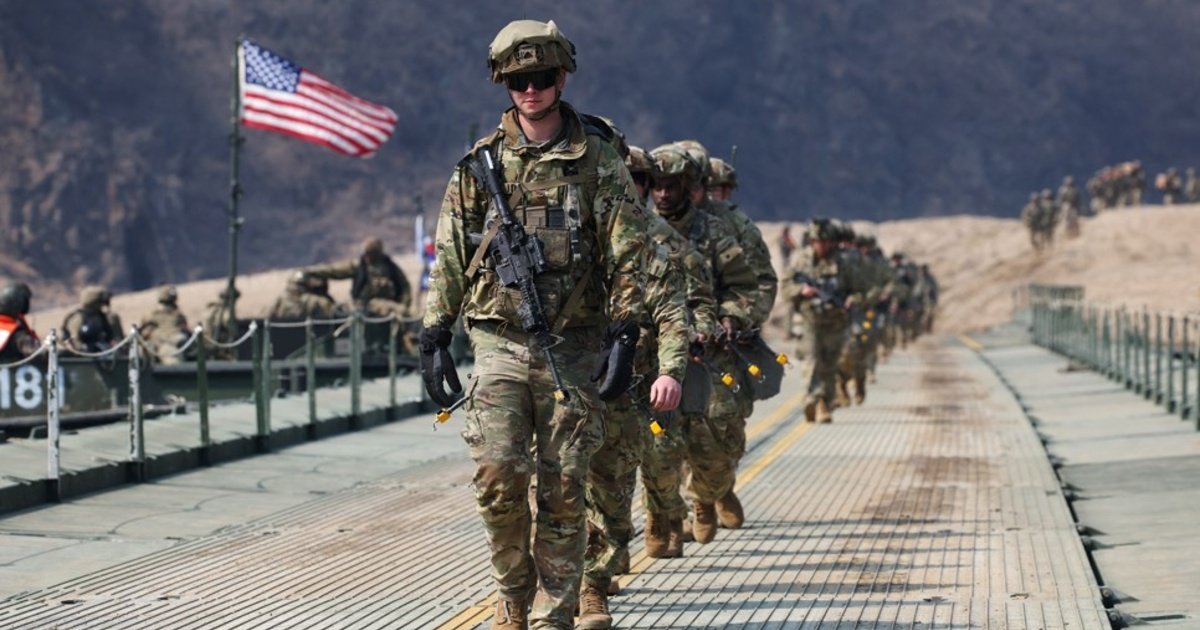
Adding to the uncertainty, several national security staffers hinted at internal tensions. One described a “quiet scramble” underway among key committees, with members urgently seeking clarification from the Pentagon and intelligence agencies. Another said the Speaker’s tone did not match the private briefings circulating among select lawmakers earlier in the day. A third suggested that Johnson’s message may have been aimed less at domestic audiences and more toward foreign actors watching for signs of U.S. resolve.
Social media only accelerated the buzz. Within minutes of Johnson’s comments, clips of the statement began trending across multiple platforms, accompanied by speculation ranging from strategic messaging to political maneuvering. Critics questioned whether the Speaker was overstepping on national security messaging typically handled by the executive branch. Supporters framed it as a necessary assertion of congressional confidence.
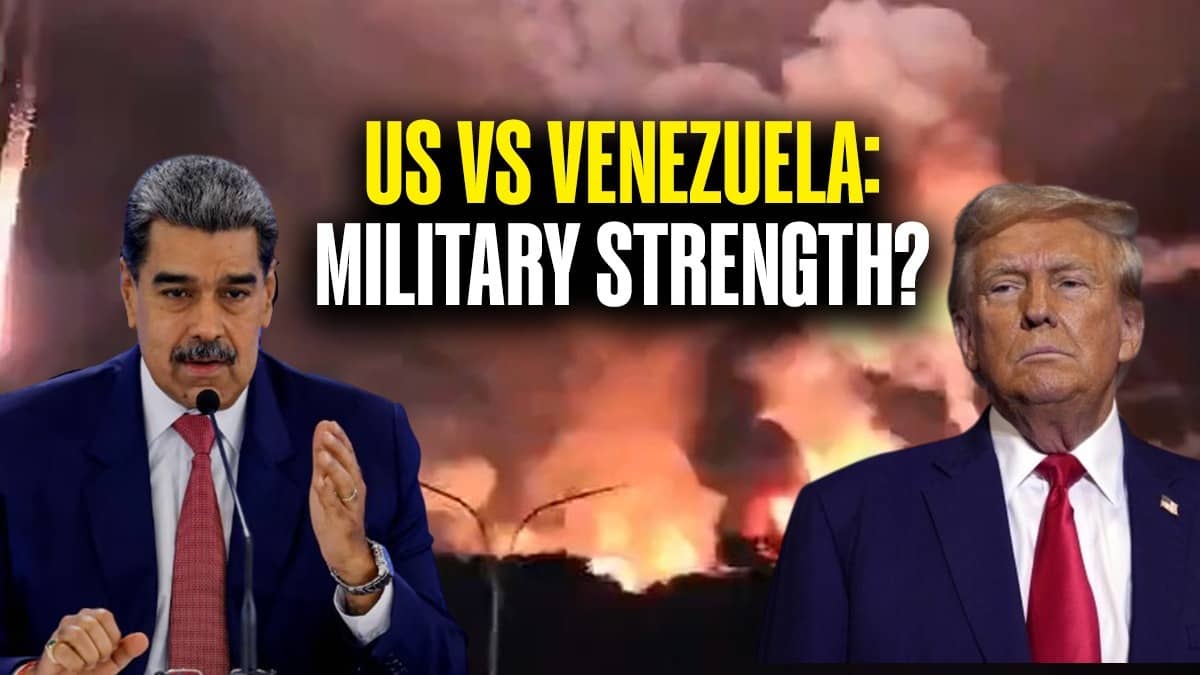
By morning, Washington had settled into an uneasy rhythm — part anticipation, part confusion, part vigilance. Johnson’s remarks, though brief, had altered the tone of national conversation. What remains unclear is whether the statement signals a new phase of engagement, an attempt to preempt criticism, or a broader recalibration of U.S. posture in the region.
For now, the Speaker’s declaration stands as a moment of political and strategic ambiguity. “Americans should sleep a little better tonight,” he said. Yet the questions raised — about intent, timing and the unspoken implications — have left many in Washington wide awake.






