Trump’s Media Grievances Collide With a Bigger Fight Over Speech and Broadcast Power
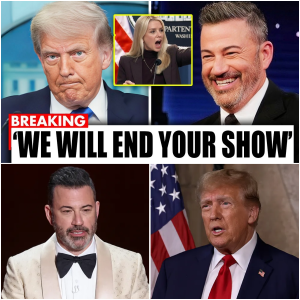
In a political culture increasingly shaped by clips and counter-clips, a new YouTube video packages a familiar story line: former President Donald J. Trump, provoked by comedians and talk-show hosts, responds with public insults and escalating threats. The video’s framing is openly partisan, but several of the underlying flashpoints it cites are real — and they have helped revive a serious debate about how much informal pressure government officials can exert on media companies without crossing constitutional lines.
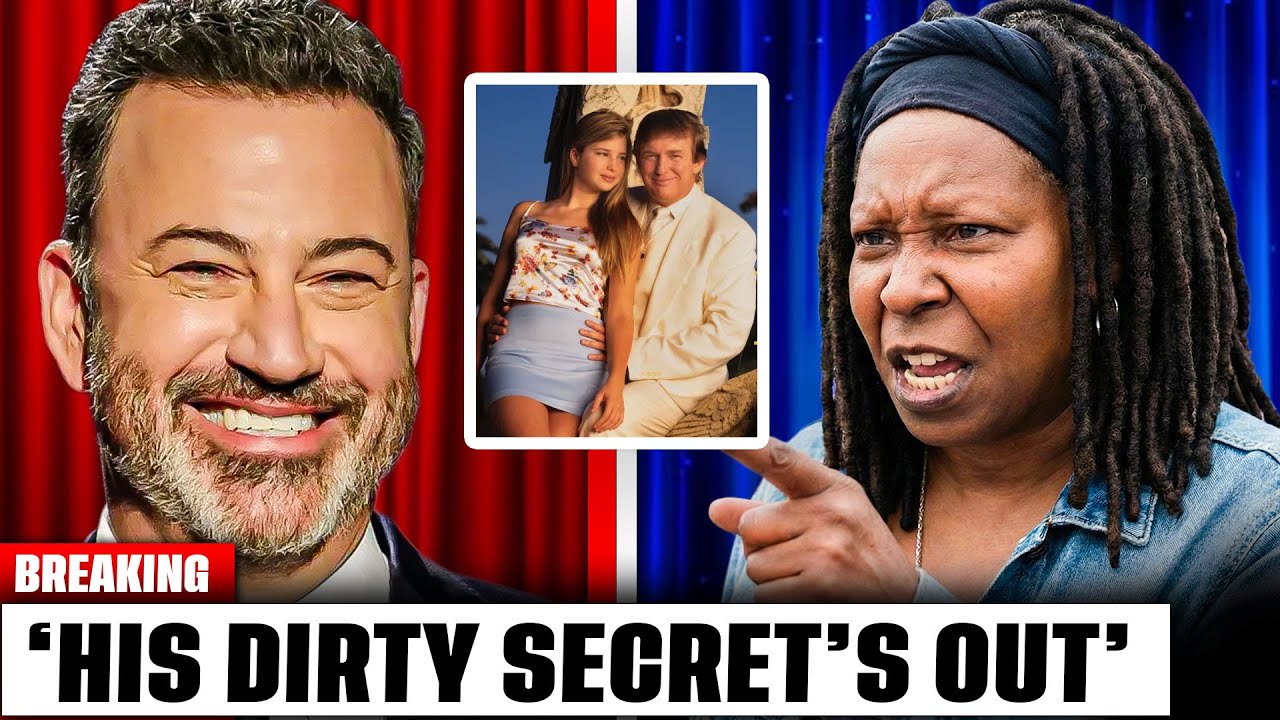
One chapter dates to October 2024, when Trump attacked the hosts of ABC’s The View at a campaign rally, singling out Whoopi Goldberg with crude criticism of her comedy. The next day on air, Goldberg responded by embracing the insult as part of her stage persona and emphasizing that Trump had hired her multiple times in the past, portraying his outrage as selective and opportunistic. The exchange drew widespread coverage, in part because it illustrated how Trump’s political messaging often treats entertainment figures as stand-ins for broader cultural enemies.
A second, more consequential episode unfolded in September 2025 after comments Jimmy Kimmel made on Jimmy Kimmel Live! about the killing of conservative activist Charlie Kirk. On Sept. 17, Nexstar Media Group announced its ABC affiliates would preempt the show “for the foreseeable future,” objecting to Kimmel’s remarks and replacing the program with other programming. Sinclair soon followed with its own preemptions.

The controversy took on national political weight because Brendan Carr, the F.C.C. chairman, publicly suggested ABC and Disney could handle Kimmel “the easy way or the hard way,” language that lawmakers and free-speech advocates described as a threat — a form of “jawboning” that can chill speech even without formal enforcement. Carr later faced sharp questioning about the episode in a Senate hearing.
ABC reinstated Kimmel after a brief network pause, but Nexstar and Sinclair continued to keep the show off the air in many markets for several more days, affecting a large share of ABC’s affiliate footprint. Both companies ended the blackout on Sept. 26, 2025.
The video connects these moments to a broader Trump-era media narrative: public pressure, corporate caution and a politics that treats satire as a threat rather than a nuisance. That theme also surfaced around Trump’s relationship with CBS News and 60 Minutes. After a legal dispute over editing of a 2024 60 Minutes interview with Kamala Harris, Paramount agreed in 2025 to pay $16 million to settle Trump’s lawsuit — and Trump later sat for a 60 Minutes interview with Norah O’Donnell in late 2025.
None of this resolves the central tension: broadcasters have wide latitude to decide what they air, but when political officials hint at regulatory consequences, even vaguely, the line between market choice and coerced silence becomes harder to see. In that gray zone, comedy stops being just entertainment — and becomes a proxy battle over who gets to speak, who gets punished, and who gets to define the public interest.