The global defense community was rocked overnight by reports that Canada has abruptly walked away from a massive $15 billion U.S. fighter jet deal, sending shockwaves through the Pentagon and Washington’s defense establishment. In a stunning twist, Ottawa is now said to be pivoting toward Sweden’s Saab Gripen, a move that could dramatically reshape North American defense cooperation and the global fighter jet market.
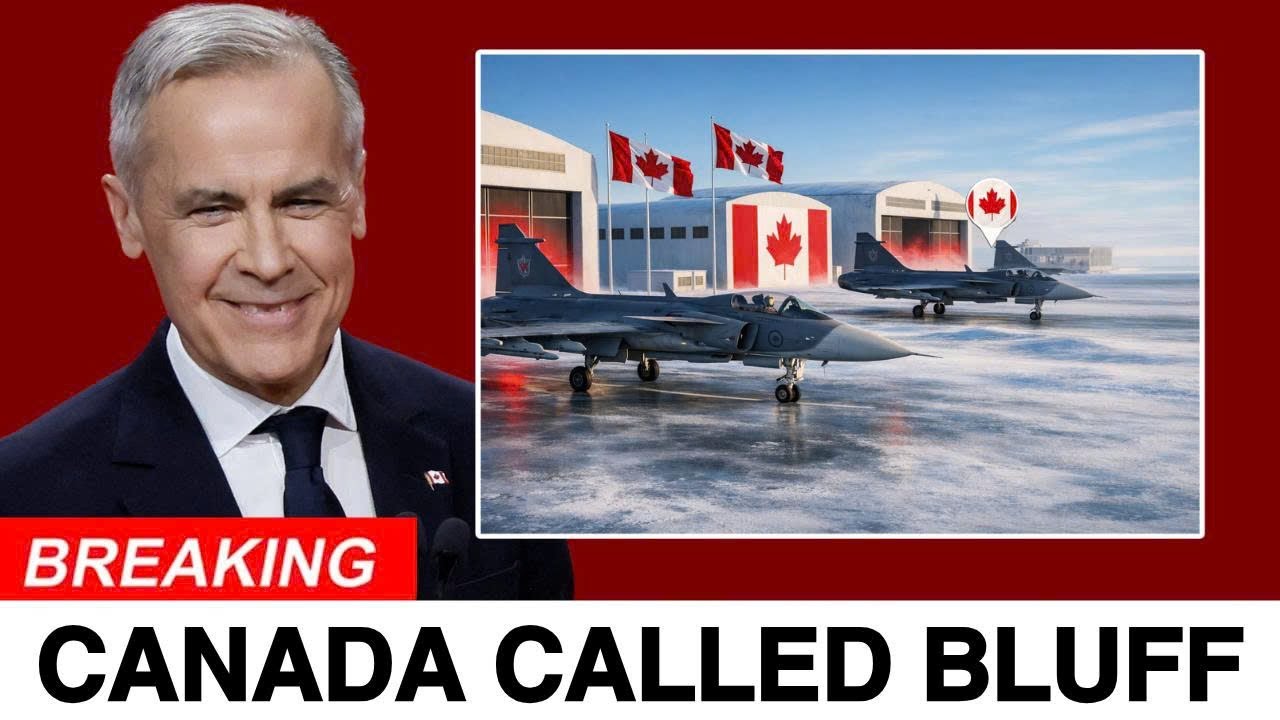
According to emerging reports, the decision would mark a sharp reversal in Canada’s long-running fighter replacement saga, which has revolved for years around U.S.-made aircraft, particularly the F-35 Lightning II. If confirmed, the shift to the Swedish Gripen would represent not only a commercial blow to American defense contractors, but also a strategic surprise for U.S. policymakers who viewed Canada as a cornerstone customer in their defense export ecosystem.
The Gripen, manufactured by Saab, has long been marketed as a cost-effective, flexible, and NATO-compatible fighter jet. Advocates point to its lower operating costs, adaptability to harsh climates, and ability to operate from shorter, less-prepared runways—features often highlighted as well-suited to Canada’s vast geography. This “Gripen bombshell” is now being framed by analysts as a case study in how smaller nations are increasingly challenging U.S. dominance in high-end defense procurement.
For the Pentagon, the potential loss of a $15 billion fighter jet deal is more than a financial setback. It raises deeper questions about trust, alliance politics, and the future of U.S. defense exports. Canada’s reported move may embolden other U.S. allies to reconsider their own fighter jet purchases, especially as concerns grow over costs, delivery timelines, and political strings attached to American-made weapons systems.

In Ottawa, the reported decision is being interpreted as a bid for greater strategic autonomy. By diversifying away from U.S. suppliers, Canada could gain more control over maintenance, upgrades, and industrial offsets, while strengthening defense ties with Europe. The move also aligns with a broader global trend in which middle powers seek to balance alliances rather than rely on a single dominant supplier.
While official confirmation and final contract details remain closely watched, the implications are already reverberating across global defense markets. Whether this dramatic shift toward the Swedish Gripen becomes reality or remains a negotiating tactic, one thing is clear: Canada’s fighter jet decision has reignited debate over sovereignty, alliance dynamics, and the future balance of power in the international arms trade.






