When Washington’s Old Assumption Collapsed: Canada, Europe, and the New Limits of American Pressure
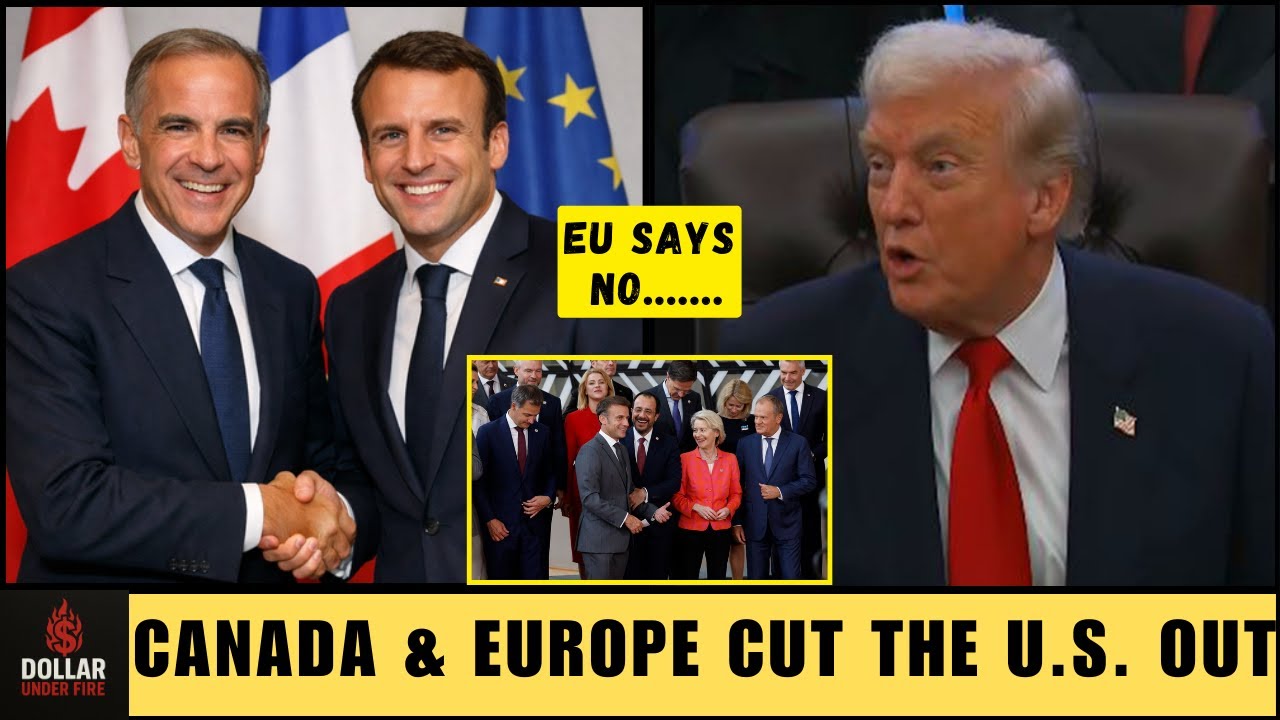
For decades, American foreign policy rested on an assumption so familiar it was rarely questioned: when Washington applied pressure, its allies would ultimately fall into line. That belief shaped trade negotiations, military alliances, and the architecture of U.S. global influence. It was treated not as theory, but as fact.
In early January 2026, that assumption quietly collapsed — not through sanctions, missiles, or emergency summits, but through carefully chosen public words spoken by leaders who normally avoid confrontation. And at the center of this shift was Canada.
Not because Ottawa asked to be defended, but because a line had been crossed.
From Rhetoric to Consequence
When President Donald Trump revived talk of Canada potentially becoming the “51st state,” many observers in the United States initially dismissed it as familiar negotiating theater — pressure language designed to force concessions on economic and security issues. On American social media platforms, particularly X (formerly Twitter), reactions were sharply divided. Supporters framed the remarks as psychological leverage, while analysts at The Atlantic and Politico warned that such language carried consequences far beyond domestic politics.
In Europe, the remarks landed very differently. Sovereignty is not a bargaining chip in European diplomacy, nor a joke, nor a rhetorical flourish. Repeated public references to annexation, left uncorrected, were interpreted as a direct challenge to the rules-based international order.
And when sovereignty is questioned openly, silence is no longer neutrality. It becomes acceptance.
Paris Speaks Clearly
On January 9, 2026, at the Élysée Palace, French President Emmanuel Macron addressed France’s diplomatic corps in a speech that was deliberate and unambiguous. This was not an off-the-record remark or a trial balloon. Macron warned that the world was sliding toward what he called “the law of the strongest” — a system in which power replaces rules and sovereignty becomes conditional.
Then he made explicit what had previously been discussed only behind closed doors. He referenced threats toward Canada directly, placing them in the same category as concerns about Greenland and Taiwan. The comparison was strategic. It signaled that these statements were no longer viewed as isolated incidents, but as part of a broader and troubling pattern.
Macron’s message was unmistakable: if the rules collapse for one country, they collapse for all.
Berlin Draws a Line
France was not acting alone. Earlier that same day, at a symposium in Germany, President Frank-Walter Steinmeier delivered his own warning — one that startled observers not because of its length, but because of its severity. He spoke of preventing the world from becoming a “den of robbers,” language rarely used in German diplomacy and typically reserved for regimes that disregard international law.
Applying that language publicly to the behavior of a long-standing ally marked a turning point. As analysts noted in Der Spiegel and Axios, when Germany speaks this bluntly, it is almost never impulsive. It usually means that internal debate has concluded and a consensus has been reached.
Ottawa’s Quiet Strategy

While Washington escalated rhetorically, Ottawa chose a different path. Prime Minister Mark Carney did not trade insults or rush to the microphones. Instead, he prepared.
On January 8, Canada released a readout of Carney’s conversation with the German chancellor. The subject was not trade or tariffs. It was sovereignty — specifically, the territorial integrity of Denmark, including Greenland, and the principle that such matters belong to the people directly concerned under international law.
The language was precise and strategic. Defending Greenland’s sovereignty is inseparable from defending Canada’s Arctic interests and from preserving the legal precedents that underpin the Western alliance. This was not a smaller country seeking shelter, but coordination among equals.
European Public Opinion Shifts
The clearest signal of change did not come from leaders, but from the public. On January 9, Germany’s public broadcaster released new polling data showing that 76 percent of Germans no longer view the United States as a reliable partner — the lowest level ever recorded. Nearly 70 percent said NATO allies could not rely on American protection, despite the United States remaining the alliance’s strongest military power.
As analysts quoted by CNN and the Financial Times noted, this was not a rejection of American strength, but of American predictability. And predictability, in alliances, matters as much as power.
Canada as a Test Case
For European leaders, Canada quickly became something more than a close partner. It became a test case. If a stable, wealthy democracy deeply integrated into the Western alliance could be subjected to annexation rhetoric, then no country was immune from coercion.
Ottawa’s response — restrained, law-bound, and coordination-focused — created credibility. In European capitals, credibility matters more than volume. Canada was not chosen because of geography, but because of behavior.
A Quiet Structural Shift
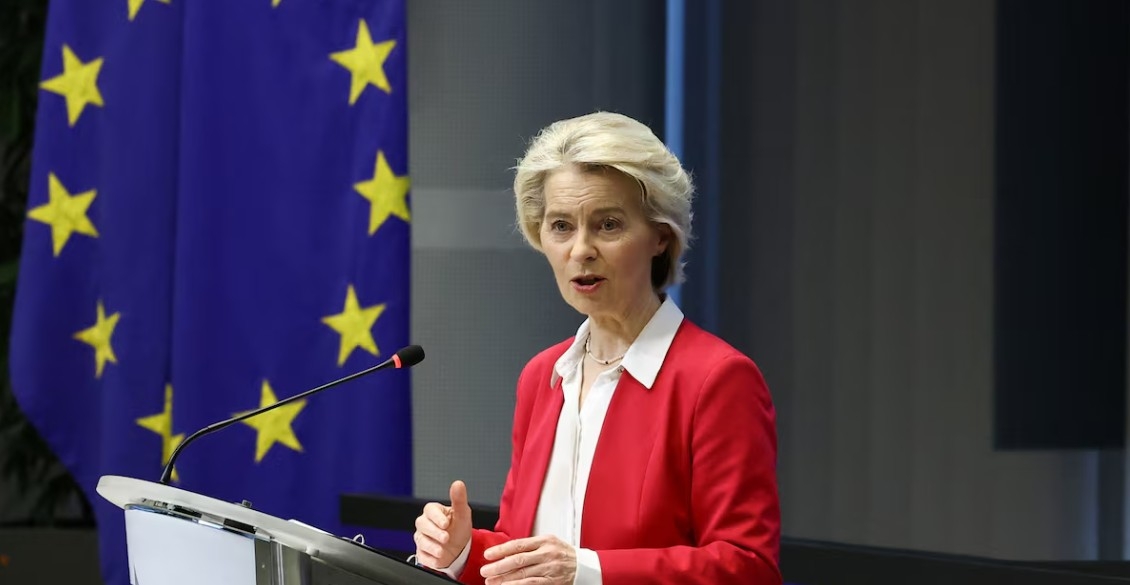
Europe did not respond emotionally or symbolically. It began building alternatives — supply chains, Arctic cooperation, security arrangements — capable of functioning even if Washington became unpredictable. This was coordination without permission. And once it begins, it rarely reverses.
President Trump’s pressure strategy relied on speed and shock. But shock only works when the other side lacks a plan. Ottawa had one. As allies began preparing for a future in which American commitments could no longer be taken at face value, the balance of influence shifted.
What Was Ultimately Revealed
Canada did not weaken under pressure. It emerged stronger. What was exposed was not the immediate collapse of American influence, but the limits of power without predictability.
Alliances do not unravel in headlines. They evolve in planning rooms, policy drafts, and institutional designs. Those designs are now being revised.
Canada is not becoming the 51st state. Greenland is not up for negotiation. And alliances are no longer built on assumption alone. They are being rebuilt on principle — in a world where that may be the most valuable currency left.






