**Russia Is Not Backing Down! HUMILIATES U.S. LIVE Over Iran — “You’re FALLING Apart”**
In the escalating crisis gripping the Middle East, Russia has delivered a sharp and unyielding rebuke to the United States, refusing to yield ground on its staunch support for Iran amid widespread anti-government protests and threats of American military intervention. As of mid-January 2026, the Islamic Republic faces its most severe internal challenge since the 2022 Woman, Life, Freedom movement, with reports of thousands of deaths from regime crackdowns, economic collapse driving inflation above 40%, and the rial in freefall. President Donald Trump has repeatedly warned Tehran against lethal force on demonstrators, mooting “very strong options” including potential strikes on nuclear sites and ballistic missile facilities — echoing the U.S.-backed Israeli actions in June 2025 that degraded Iran’s nuclear program.

Moscow’s response has been swift and defiant. On January 13, the Russian Foreign Ministry condemned what it called “subversive external interference” in Iran’s internal affairs, branding U.S. threats of new military strikes “categorically unacceptable.” The statement warned that any attempt to exploit the unrest as a pretext for repeating the 2025 aggression would lead to “disastrous consequences” for Middle East stability and global security. Foreign Minister Sergei Lavrov amplified the attack the following day, accusing Washington of “smashing the world around” through actions like the recent raid capturing Venezuelan leader Nicolás Maduro and ongoing pressure on Tehran. Lavrov emphasized that no third party could alter the fundamental nature of Russia-Iran ties, highlighting bilateral agreements on security, energy, and trade as unbreakable.
This verbal salvo, broadcast across state media and international outlets, has been interpreted in some circles as a direct humiliation of U.S. foreign policy. Lavrov portrayed America’s approach as unreliable and indicative of a “steadily worsening competitive position,” suggesting Washington is lashing out desperately as its influence wanes. In one pointed remark, he implied U.S. methods reflect a crumbling hegemony — words that echo the viral phrasing “You’re falling apart” circulating in pro-Russian commentary and clickbait videos. While no official Russian statement uses those exact words, the sentiment aligns with Moscow’s narrative: America is overextended, unreliable, and provoking chaos it can no longer control.

The backdrop is a deepening strategic partnership between Moscow and Tehran. Russia has supplied Iran with equipment like Spartak armored vehicles and attack helicopters in recent months, tools suited for internal suppression rather than conventional warfare. Security Council Secretary Sergei Shoigu held urgent talks with his Iranian counterpart Ali Larijani on January 12-13, condemning “external forces” meddling in Tehran. This support comes at a critical juncture: Iran’s regime, battered by protests across 31 provinces, relies on Russian drones (Shahed models) for its own military needs and as leverage in global energy markets. A collapse in Tehran would sever this lifeline, leaving Russia isolated in its Ukraine campaign and vulnerable to further Western pressure.
Yet Moscow’s stance is not without risks. Analysts note Russia’s muted initial reaction to the protests — prioritizing Ukraine over defending allies like Syria or Venezuela — reveals overextension. The Kremlin has not committed troops or overt intervention, instead opting for diplomatic shielding, blocking UN resolutions on human rights abuses, and warning of “Pandora’s box” if regime change occurs. Lavrov’s comments reaffirm commitment without escalation, betting that U.S. threats remain bluster amid Trump’s mixed signals: he has floated negotiations (Iran reportedly reached out via Oman and special envoys) while imposing 25% tariffs on nations trading with Tehran and urging protesters to “take over institutions” with promises of “help on the way.”
The confrontation raises profound questions about global power dynamics in 2026. Trump’s administration weighs military strikes (Pentagon options presented January 13 include cyber and targeted hits) against diplomacy, but regional actors fear reprisals — from Iranian retaliation on U.S. bases to broader chaos if the regime falls. Gulf states like Qatar have begun precautionary evacuations, and militias like Kataib Hezbollah threaten action if attacked.
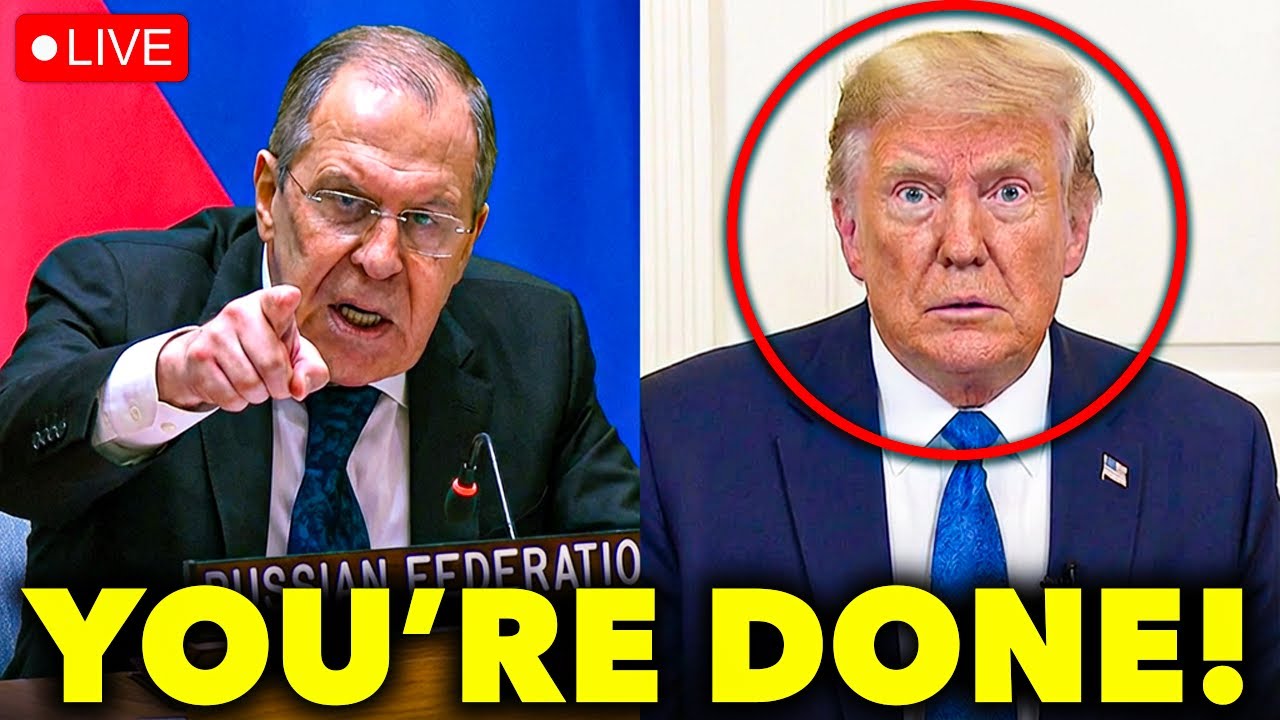
Russia’s refusal to back down signals more than solidarity; it challenges the post-Cold War order. By framing U.S. actions as violations of international law and predicting disastrous fallout, Moscow positions itself as a defender of sovereignty against perceived American imperialism. Whether this bold posture humiliates Washington or merely masks vulnerability remains debated — but in a world of fragile alliances, the Kremlin’s ice-cold defiance ensures the Iran crisis is no longer just Tehran’s problem.
As protests rage and threats mount, the standoff tests resolve on all sides. Russia stands firm, eyes on survival of its key partner, while America grapples with the limits of its power. The next days could decide if words turn to fire — or if cooler heads prevail before the region ignites.






