BREAKING: Ottawa’s Dairy Gambit Hits Wisconsin, Triggers Explosive Reaction from Trump
In a calculated move that has sent shockwaves through the agricultural heartland and the upper echelons of Washington politics, the Canadian government has quietly enacted a tightening of its dairy import controls, a decision that is already triggering farm closures and financial distress in Wisconsin. The move, seen as a direct rebuff to longstanding U.S. trade pressure, has provoked an explosive reaction from former President Donald Trump, who views the action not merely as an economic blow but as a critical loss of geopolitical leverage on the eve of the 2026 NAFTA re-negotiation milestone.
The policy shift, buried in a regulatory update from the Canadian Dairy Commission, effectively reduces the tariff-free thresholds for several classes of American milk proteins and ultrafiltered milk—key exports that Wisconsin dairy farmers have relied upon to offset domestic oversupply. For farmers in states like Wisconsin, the immediate impact has been brutal and personal.

“It happened overnight,” said Michael Johansen, a third-generation dairy farmer from Monroe, Wisconsin. “Our contracts for the next quarter were suspended. The phone calls stopped. The price we get for our milk just dropped off a cliff. We’re looking at having to sell off herd just to keep the lights on. Canada didn’t just close a door; they slammed it on our fingers.”
**The Political Epicenter: Wisconsin’s Agony is Trump’s Fury**
The decision strikes at the core of a critical political battleground. Wisconsin, a perennial swing state pivotal to presidential elections, has a dairy industry that supports tens of thousands of jobs and forms a key part of the rural economy. The sight of shuttered farms and protests at milk processing plants presents an immediate political crisis.
For Donald Trump, the fury is twofold. First, it represents a direct repudiation of his signature trade achievement, the USMCA (NAFTA’s successor), which he touted as having “fixed” the Canadian dairy dispute and opened new markets for American farmers. Canada’s move exposes the fragility of those gains and undermines a core plank of his economic promise to rural America.
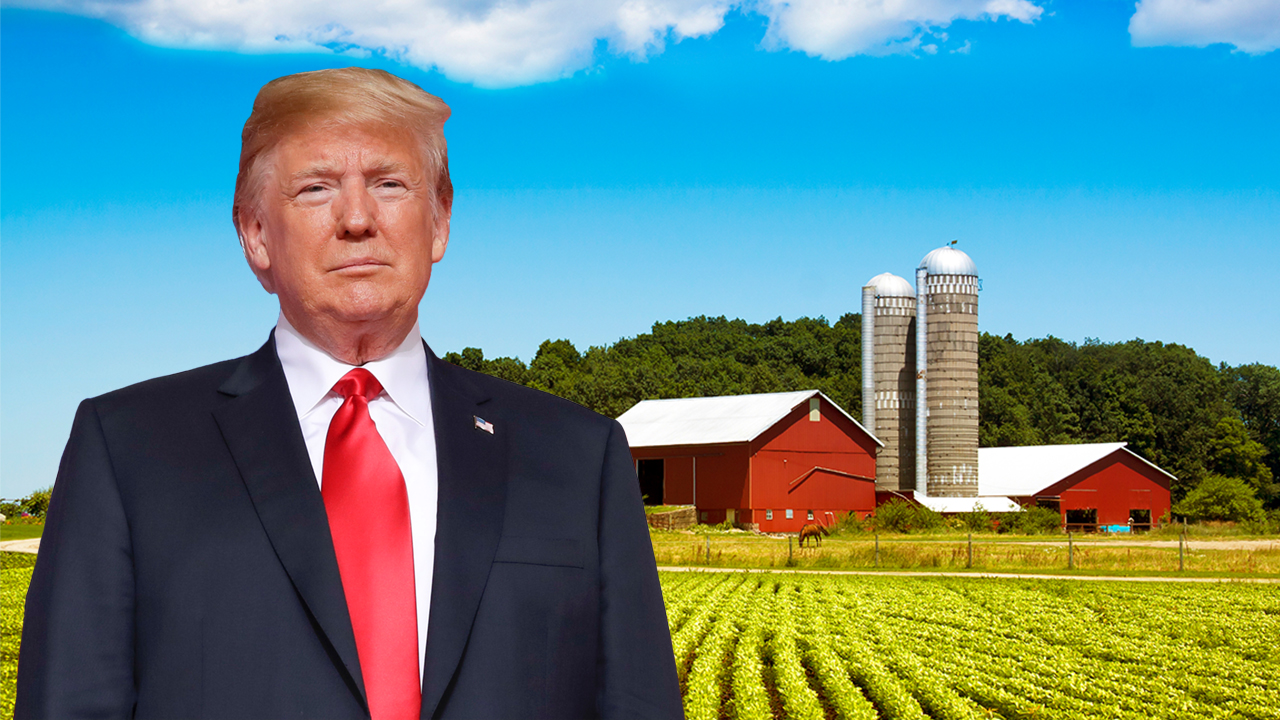
Second, and more strategically infuriating to Trump insiders, is the timing and the leverage. The USMCA includes a “sunset clause” with a mandatory review in 2026, a date that has loomed as the next major flashpoint in North American trade. By acting unilaterally now, Canada has not only protected its own supply-managed dairy sector but has also seized the initiative.
“Trump’s entire playbook is maximum pressure to force concessions,” explained Dr. Elena Vargas, a trade strategist at the Brookings Institution. “Ottawa has just called that bluff. By absorbing the short-term diplomatic heat, they’ve gutted the primary U.S. threat—the disruption of dairy exports—ahead of the 2026 negotiations. They’ve taken that weapon off the table. Now, Washington enters those talks from a position of weakness, needing to restore access its farmers have just lost. It’s a masterstroke of defensive trade policy.”
**The Fallout: A Political and Economic Perfect Storm**
The reaction from the former president was characteristically volcanic. In a statement and subsequent Truth Social posts, Trump accused Canada of “cheating,” called Prime Minister Justin Trudeau “weak and disloyal,” and promised “historic tariffs” and a “total shutdown” of the border to all Canadian goods if re-elected. Behind the scenes, sources describe him as “apoplectic,” raging that an ally had “embarrassed” him and vowing severe retaliation.
The crisis forces difficult choices upon the current Biden administration, which is now caught between upholding trade agreement enforcement and managing escalating food costs and farm crisis ahead of an election. It has also unified a fractious Canadian political landscape, with even opposition Conservatives offering tepid support for protecting supply management.

In Wisconsin, the political ground is shifting beneath everyone’s feet. Democratic operatives are scrambling to offer aid and blame Trump’s original deal as flawed, while Republicans are amplifying the pain to fuel anti-incumbent sentiment. The real anger, however, is bipartisan and directed north.
One thing is clear: a quiet regulatory change in Ottawa has ignited the first major trade fire of the 2024 election cycle. It has turned Wisconsin dairy farms into the front lines of a renewed North American trade war and demonstrated that in the high-stakes game of international leverage, sometimes the strongest move is not to yield, but to quietly, decisively, bolt the door. The 2026 negotiations have effectively begun two years early, and America’s heartland is already paying the price.