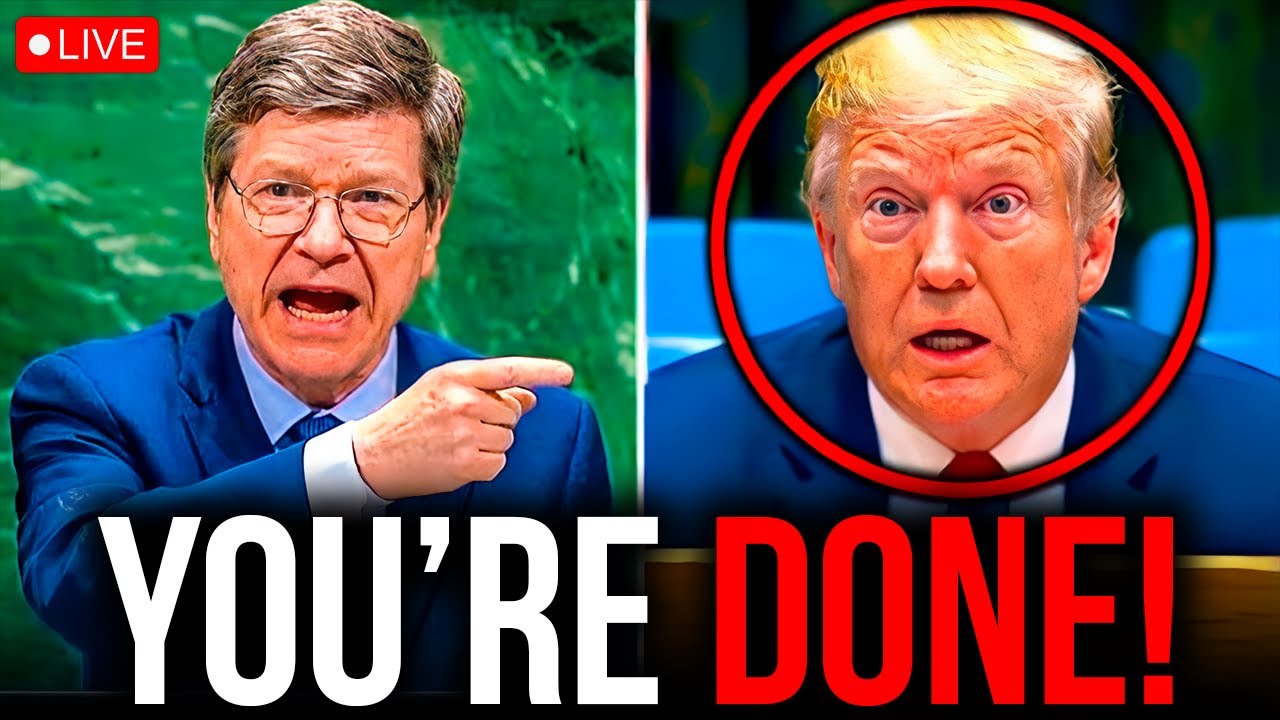
💥What was expected to be another dense, procedural session at the United Nations suddenly took a sharp and unexpected turn that diplomats and viewers are still arguing about. In what attendees described as a “jaw-dropping” moment, renowned economist Jeffrey Sachs delivered a blistering critique during a live forum that many online quickly framed as a direct rebuke of Donald Trump’s foreign policy posture toward Venezuela. The room, typically governed by careful language and diplomatic restraint, reportedly fell into an uneasy silence as Sachs’ remarks landed with unmistakable force.
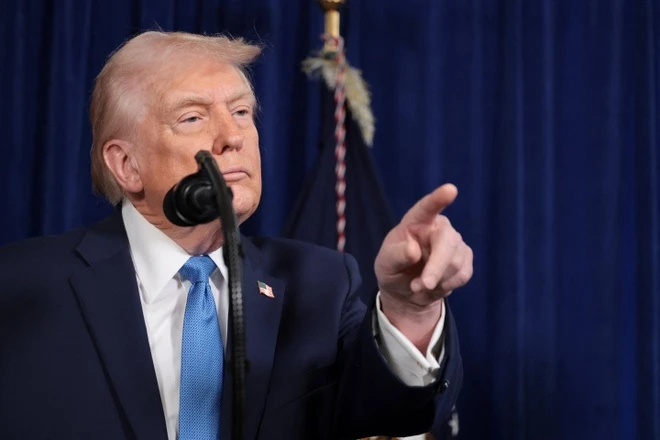
According to multiple observers, Sachs did not shout or grandstand. Instead, he spoke with measured intensity, laying out what he characterized as a pattern of aggressive U.S. behavior and strategic overreach. Without naming Trump in every sentence, he repeatedly referenced decisions and rhetoric associated with Trump-era policy, which viewers immediately interpreted as a pointed takedown. The contrast between Sachs’ calm delivery and the severity of his critique only amplified the moment’s impact.
Those inside the chamber said the tension was palpable. Delegates shifted in their seats. Interpreters paused. Even seasoned UN watchers noted that the atmosphere felt unusually charged. “It didn’t sound like an academic lecture,” one attendee later commented. “It sounded like a warning.” While no official transcript framed the remarks as a “roast,” the internet quickly did what it does best—turning nuance into spectacle.
Within minutes, clips of the exchange exploded online. Short videos, often stripped of broader context, raced across platforms with captions declaring that Sachs had “destroyed” Trump on the world stage. Hashtags surged. Reaction videos multiplied. Supporters of Trump accused global elites of coordinating another attack, while critics celebrated what they saw as a rare moment of blunt honesty at an institution known for cautious phrasing.
The Venezuela angle added fuel to the fire. Sachs reportedly criticized what he described as interventionist instincts and “war-machine thinking,” language that resonated with audiences already skeptical of U.S. involvement abroad. Though he avoided operational specifics, many viewers connected his remarks to long-running debates over sanctions, pressure campaigns, and alleged military posturing. That ambiguity allowed both sides to project their own conclusions—an effect that only intensified the backlash.

MAGA-aligned commentators quickly pushed back, dismissing the moment as performative outrage from a “globalist economist” speaking to a sympathetic crowd. Some claimed the viral clips were selectively edited to exaggerate confrontation. Others argued Sachs was simply repeating familiar criticisms dressed up for a global audience. Still, even defenders acknowledged the optics were rough: a respected academic delivering a harsh critique under the UN’s banner carries symbolic weight, regardless of intent.
Critics, meanwhile, called the moment devastating. They framed it as evidence that Trump-style foreign policy has alienated allies and emboldened detractors. “This is what reputational damage looks like,” one international relations analyst said. “It’s not about one speech. It’s about how easily the narrative spreads.” For them, Sachs’ remarks became a lightning rod for years of accumulated frustration.
What truly transformed the incident into a viral phenomenon was scale. By the following morning, #SachsRoastsTrump was trending globally, with view counts soaring into the hundreds of millions across platforms—though those numbers remain difficult to independently verify. Memes flooded timelines, blending humor with outrage. Late-night hosts teased the moment. Political streamers dissected every sentence, freeze-framing Sachs’ expressions and the crowd’s reactions.
Behind the scenes, insiders claim the response was swift. Trump allies reportedly monitored the spread closely, debating whether to respond directly or let the moment fade. Historically, Trump has rarely ignored perceived slights, especially when they gain traction internationally. Yet silence can also be strategic, allowing supporters to frame the narrative without amplifying the critic. Which path would be chosen remained unclear as the clips continued to circulate.
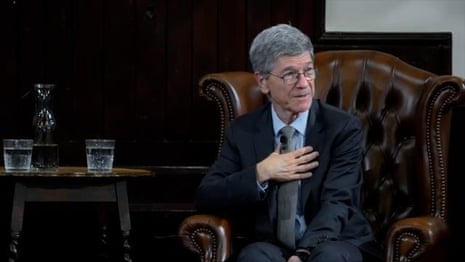
Diplomatic experts cautioned against overreading the moment. UN sessions, they noted, often feature sharp rhetoric that rarely translates into concrete policy shifts. “The UN is a theater of words,” one former ambassador explained. “Power reacts, but it doesn’t always move.” Still, they acknowledged that symbolism matters—especially when images of confrontation go viral in an already polarized media environment.
For Jeffrey Sachs, the attention was sudden and overwhelming. Long known for his work on development economics and global policy, he found himself recast online as a meme-ready truth-teller—or, depending on perspective, a provocateur. Supporters praised his willingness to speak plainly. Detractors accused him of grandstanding. Either way, his remarks reached an audience far beyond the UN’s usual viewership.
As the debate raged, one question dominated timelines: was this truly a historic humiliation, or just another fleeting outrage cycle inflated by algorithms? The answer likely lies somewhere in between. What’s undeniable is how quickly a moment of sharp critique turned into a global spectacle—one that fed into existing narratives on all sides.
Whether this episode leaves a lasting mark on international politics remains to be seen. But as a media moment, it has already achieved escape velocity. The clips keep spreading, reactions keep escalating, and interpretations keep colliding.
⚡😂 The full exchange is still ricocheting across the internet, with spin, backlash, and memes multiplying by the hour. Watch before the context gets buried—because everyone is talking, and the fallout is far from over.