Winter’s War: How Extreme Cold is Crippling the Russian Military Campaign
As a historic deep freeze descends across Eastern Europe, with temperatures plummeting past -30°C (-22°F), an ancient and implacable adversary has taken the battlefield: winter itself. For the Russian military, what was meant to be a season of consolidation has become a period of catastrophic logistical and human breakdown, with the bitter cold reshaping the conflict in Ukraine more decisively than any single weapon system.
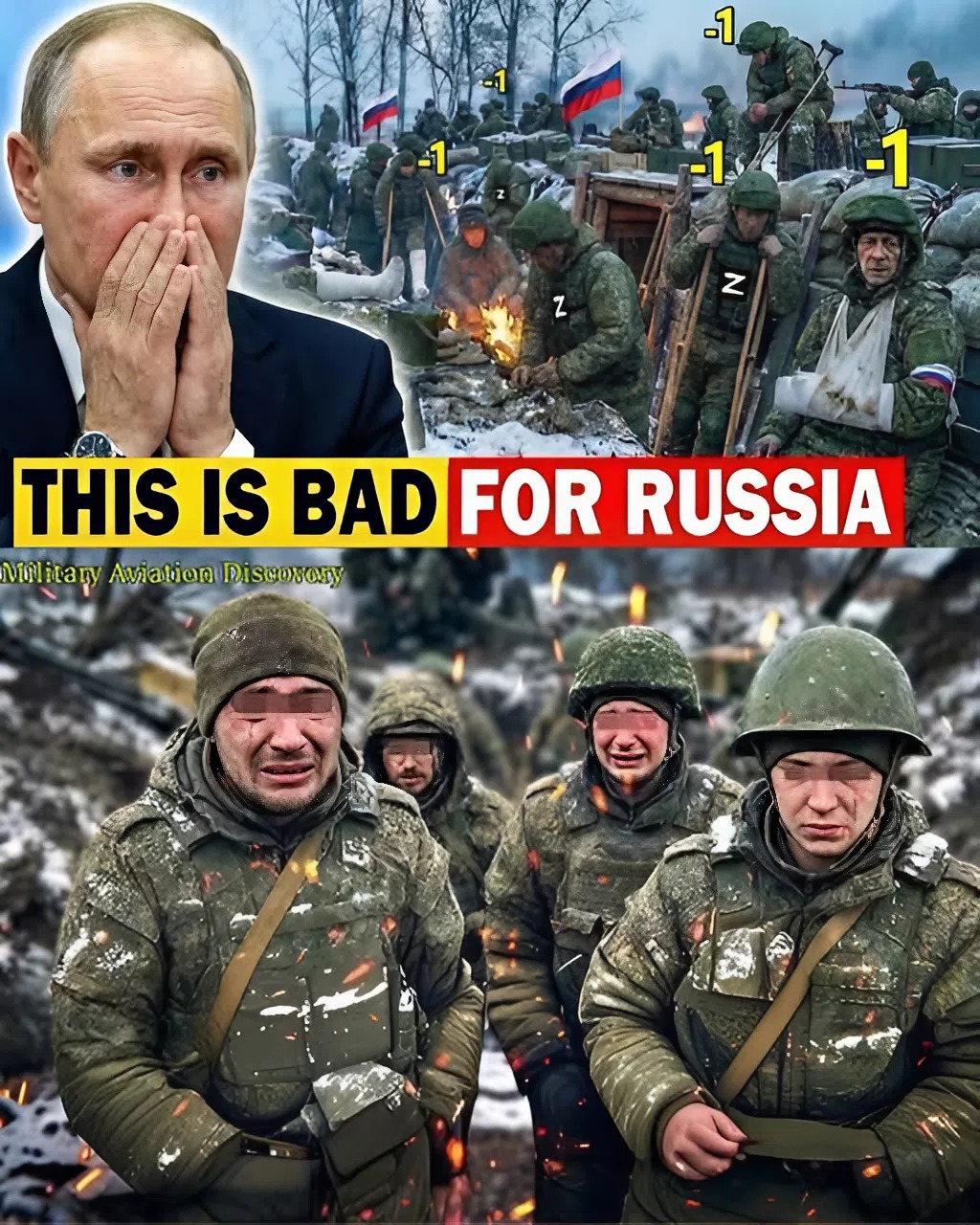
Current estimates suggest approximately 710,000 Russian personnel are now exposed to the frontline conditions. Rather than a unified fighting force, they increasingly resemble a desperate, scattered army in a battle for basic survival. The problems are systemic and cascading:
The Logistical Collapse
The core of the crisis is a supply chain in freefall. Key ground lines of communication—the “Rollbahn” routes critical for transporting fuel, ammunition, and food—are either paralyzed by ice and snow or have disintegrated under the strain of heavy use and Ukrainian strikes. Reports from intelligence agencies and frontline units describe convoys of trucks abandoned where they stalled, their diesel fuel gelled in tanks. Railways, a backbone of Russian logistics, are struggling with frozen switches and delayed shipments, creating bottlenecks hundreds of miles from the front.
The Human Toll
For the infantry soldier, the failure of logistics translates into a personal crisis. Widespread accounts, verified by drone footage and intercepted communications, depict troops lacking basic insulated boots, proper winter camouflage, and even functional sleeping bags. Makeshift trenches and dugouts offer little refuge from the penetrating cold, leading to a massive spike in cases of severe frostbite, hypothermia, and “trench foot” in freezing conditions. Medical evacuation for these non-combat casualties is often nonexistent, leaving soldiers to lose fingers, toes, or limbs without proper care. Morale, already strained, is fracturing under the relentless physical agony and the perceived indifference of command.
The Mechanical Failure
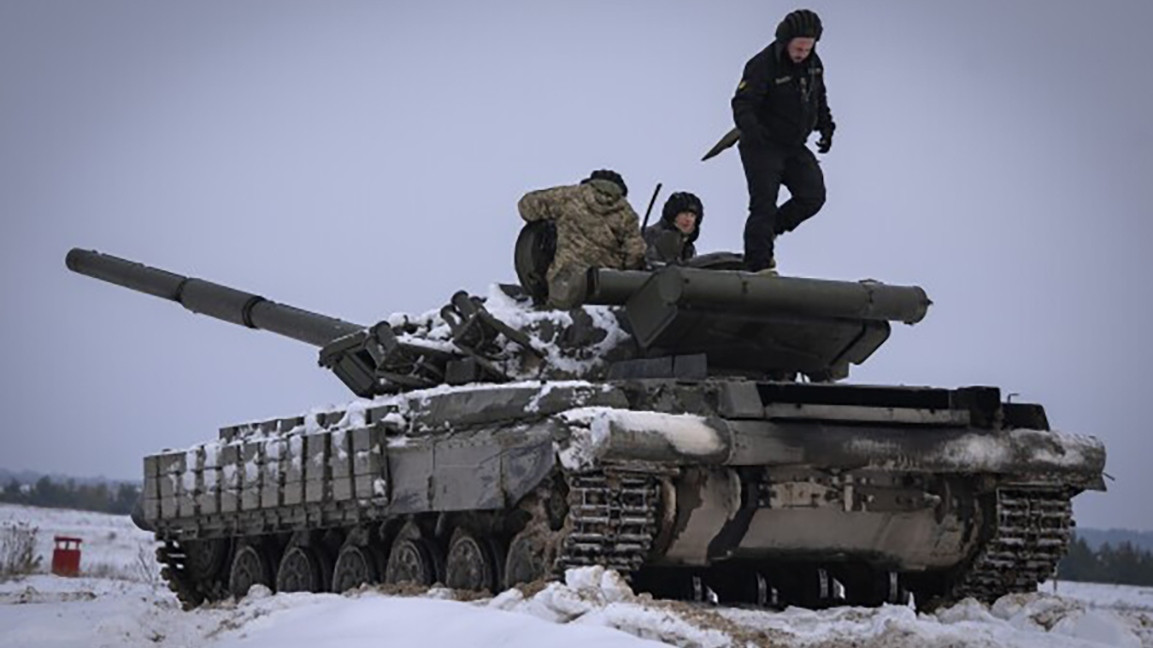
Russia’s vast arsenal of armored vehicles is proving acutely vulnerable. Tanks and infantry fighting vehicles require pre-heating for engines to start, a process impossible without fuel or functioning heaters. Their optics and targeting systems fog or freeze, rendering them blind. Even small arms are failing, with lubricants seizing up and metals becoming brittle. The once-formidable Russian artillery, reliant on constant ammunition supply, is seeing its rate of fire drop dramatically as shells freeze in storage and transporters cannot reach firing positions.
A Revealing Strain on Resilience
This winter crisis has acted as a brutal stress test, exposing profound cracks in both Russian military planning and civilian-industrial resilience. The mobilization of hundreds of thousands of conscripts and recalled reservists has backfired, flooding the front with personnel the army cannot adequately equip, train, or sustain. The military’s top-heavy bureaucracy has failed to adapt, sticking to rigid plans unsuited for a war of endurance.
Meanwhile, the domestic economy, battered by sanctions, is struggling to produce sufficient quality winter gear. Reports indicate soldiers are receiving obsolete Soviet-era uniforms or cheap, substandard imports from Asia, while commanders often sell proper supplies on the black market.
A Strategic Reshaping
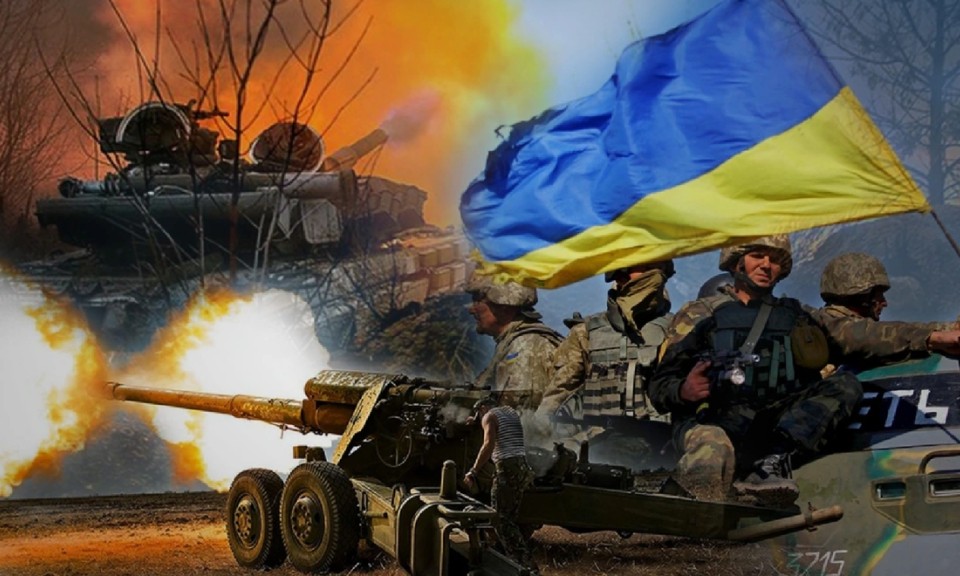
Ukraine, though also suffering in the cold, has undertaken more concerted preparations with Western support, including improved winter kits, mobile heating units, and flexible drone-assisted tactics that exploit Russian immobility. The frozen ground may temporarily halt large-scale maneuvers, but it has not stopped Ukrainian reconnaissance and precision strikes against vulnerable Russian shelters and supply nodes.
The profound impact of winter transcends tactical gains or losses. It is degrading the Russian military’s fundamental capacity to fight as a cohesive, effective force. Each day of extreme cold depletes manpower through injury and despair, consumes equipment without combat, and stretches command and control to the breaking point.
In this war, winter is no longer merely a backdrop. It has become an active, neutral party—and for the Russian forces, it has proven to be the most ruthless enemy of all. The cold is claiming victories where armies cannot, not with explosions, but with silence and ice.






