OTTAWA — A new wave of global concern has emerged following remarks by Donald Trump suggesting catastrophic destruction on a civilizational scale, language that has sparked immediate international reaction and renewed debate over the limits of political rhetoric in times of conflict.
The statement, which referenced the potential annihilation of an entire civilization, quickly circulated across diplomatic and media channels. While such language is not unprecedented in moments of geopolitical tension, its intensity has raised alarm among policymakers and analysts alike.

What followed, however, was equally significant. Mark Carney responded publicly, delivering a measured yet unmistakably firm message that underscored Canada’s position on international conduct.
Speaking to reporters, Carney emphasized that all parties involved in any conflict must adhere strictly to international law, particularly regarding the protection of civilians and civilian infrastructure. While avoiding direct confrontation, his remarks clearly addressed the broader implications of rhetoric that appears to normalize extreme outcomes.
Observers noted that the tone of the response was deliberate. Rather than escalating tensions, Canada’s leadership chose to reinforce established global norms, signaling a commitment to stability over confrontation.
“This is not about political disagreement,” one analyst commented. “It’s about reaffirming the boundaries that govern how power is exercised, especially by those who hold it.”
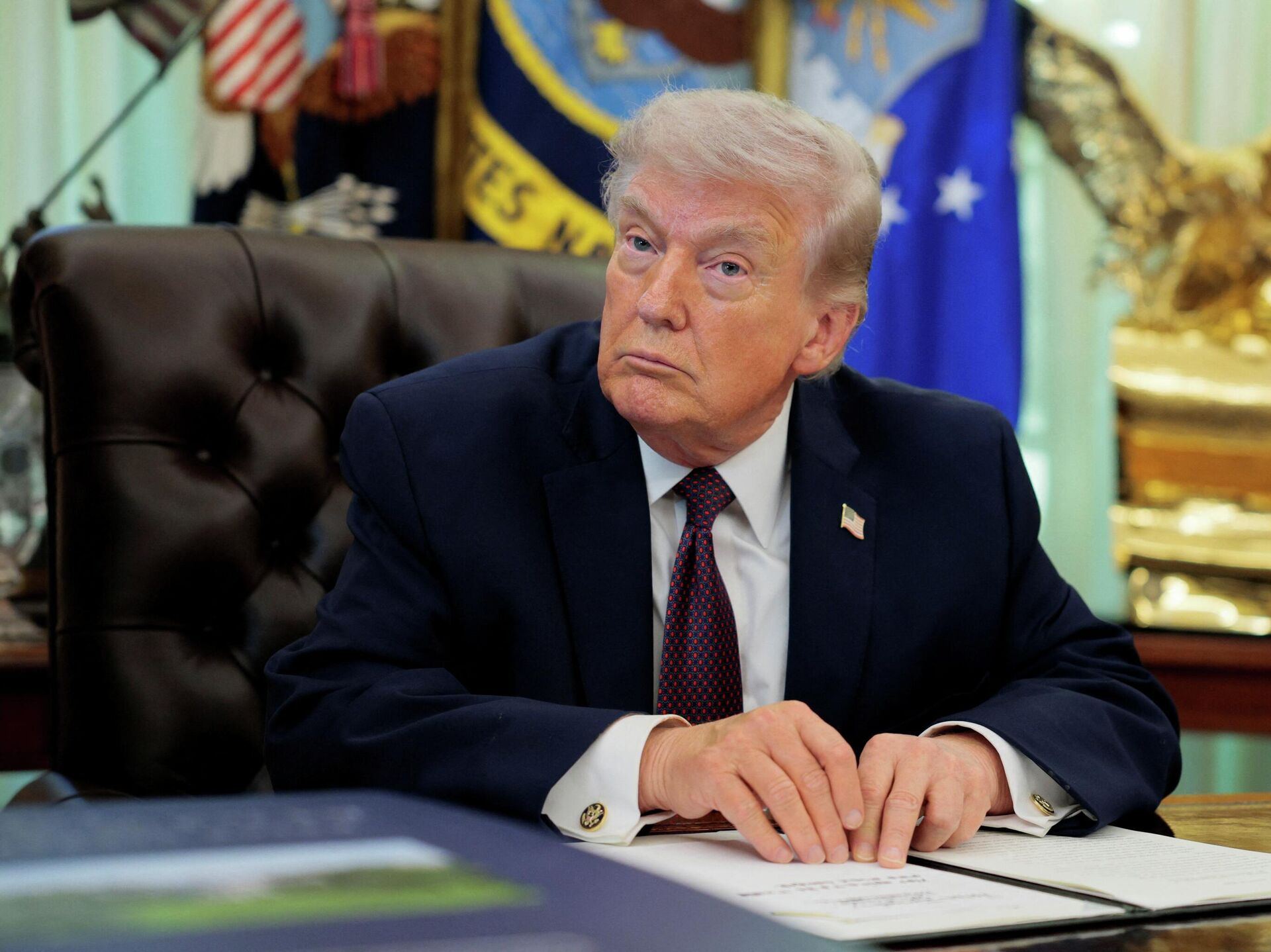
The exchange highlights a growing divide in leadership approaches. On one side is a style often associated with forceful, high-impact statements designed to project strength and dominance. On the other is a more structured, rules-based framework that prioritizes predictability and long-term stability.
Experts warn that rhetoric at this level carries real consequences. Statements made by influential figures can shape expectations, influence strategic decisions, and in some cases, accelerate escalation in already fragile situations.
In this context, Canada’s response is being interpreted not as a reaction, but as an attempt at containment—bringing the conversation back within internationally accepted limits.
At the same time, developments within Canada suggest a broader strategic alignment. While navigating global uncertainty, the government has announced a major domestic initiative focused on strengthening internal capacity and resilience.
A $51 billion infrastructure program has been launched, targeting key areas such as healthcare, transportation, housing, and community development. The initiative is designed to work across multiple levels of government, leveraging both public and private investment.
Officials describe the program as a shift from reactive policymaking to long-term planning. By addressing interconnected challenges simultaneously, the strategy aims to create a foundation for sustained economic growth and social stability.
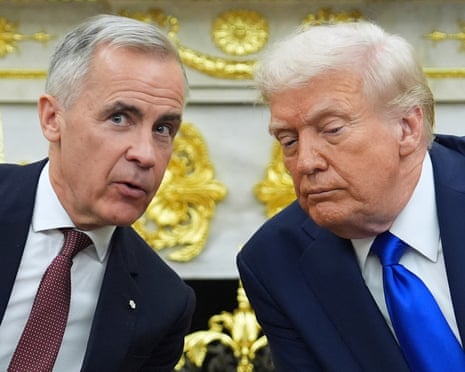
Analysts point out that this dual approach—firm positioning abroad combined with structural investment at home—reflects a broader evolution in Canada’s role on the global stage.
“This is about more than one statement or one response,” a policy expert noted. “It’s about how a country defines its place in a world where both rhetoric and reality are becoming increasingly volatile.”
The contrast between the two leadership styles has become a focal point of discussion. While one emphasizes pressure and immediate impact, the other focuses on maintaining frameworks that prevent escalation and preserve order.
In the coming weeks, the implications of this moment may become clearer. Diplomatic channels remain active, and ongoing negotiations related to broader regional tensions continue behind closed doors.
For now, Canada’s position appears consistent: power must operate within boundaries, and those boundaries cannot be ignored without consequence.
As global uncertainty persists, the balance between rhetoric and responsibility is likely to remain a defining issue. And in that balance, the choices made by leaders today may shape outcomes far beyond the present moment.






