ROLLS-ROYCE OFFERS CANADA GRIPEN ENGINE DEAL, CHALLENGING F-35 DOMINANCE
OTTAWA — On a frozen Arctic runway where temperatures plunged to 50 degrees below zero, a sleek Swedish Gripen E fighter jet roared to life. Its engine was British. Its purpose was revolutionary.
In a move that has sent shockwaves through the global defense industry, Rolls-Royce has quietly proposed a game-changing engine package for Canada’s prospective Gripen fleet — one that would finally break Ottawa’s crippling technological dependence on the United States.
No more begging Washington for upgrades. No more Pentagon vetoes over Arctic missions. No more F-35.
The proposal, details of which were obtained by The New York Times, offers Canada a sovereign alternative to the American-dominated Joint Strike Fighter program. At its heart lies a simple promise: Canadian-controlled, Canadian-operated, and Canadian-defended air power.
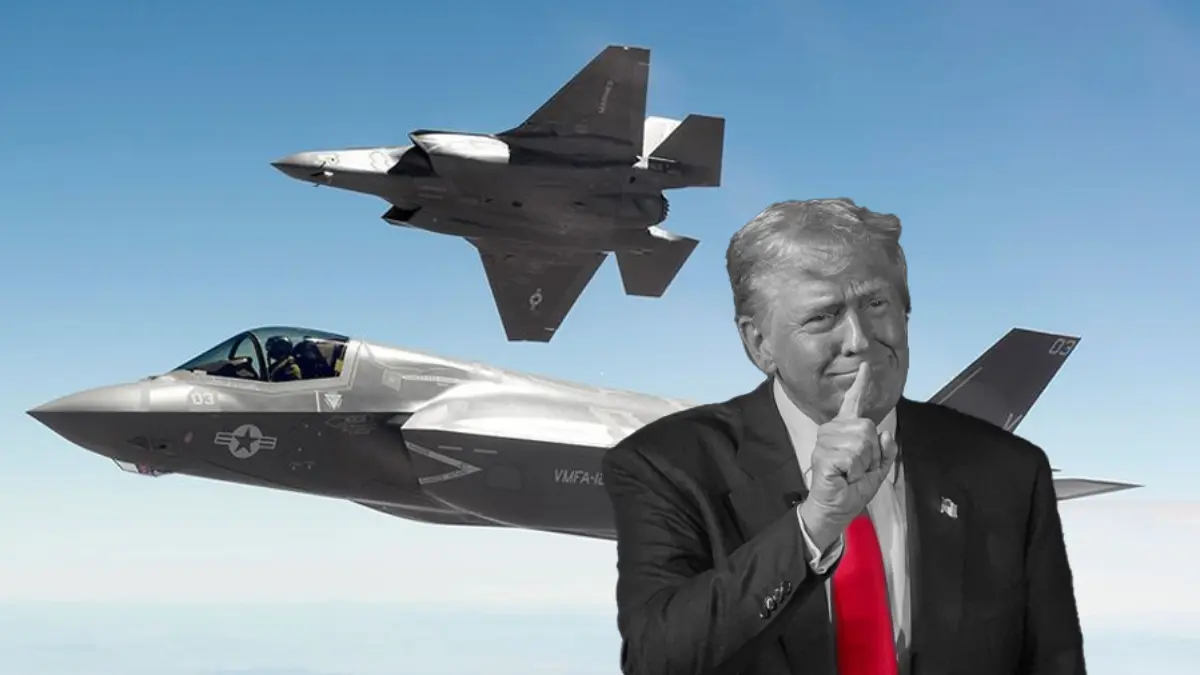
“This is not just a technical tweak,” said Richard Aboulafia, a longtime aerospace analyst. “This is a declaration of sovereignty. If Canada takes this deal, the entire NATO air-power dynamic shifts.”
The F-35 Lightning II, built by Lockheed Martin, has long been considered the unchallenged king of the skies. Nineteen allied nations have ordered nearly 3,000 aircraft. But the program has also become a geopolitical leash.
Every software update, every weapons integration, every mission approval flows through Washington. For Canada, with vast Arctic territories to defend and an increasingly assertive Russia, that dependency has become a national security concern.
Enter the Saab Gripen E. Already battle-tested and cold-weather certified, the Swedish fighter is smaller, cheaper and easier to maintain than the F-35. But its existing General Electric engine remains American-controlled.
Rolls-Royce’s proposal changes everything. The British manufacturer has offered to develop a customized variant of its EJ200 engine — the same power plant that drives the Eurofighter Typhoon — specifically for Canadian Gripens.
The new engine would be built under license in Quebec, with full technology transfer and no American export restrictions. Canada could upgrade, modify and deploy the aircraft without asking anyone’s permission.
“Canada would own every bolt,” a Rolls-Royce executive said on condition of anonymity. “That is not true of the F-35. It will never be true of the F-35.”

The Canadian government has remained officially neutral, insisting that its long-delayed fighter replacement competition remains ongoing. But whispers of secret negotiations between Ottawa, Stockholm and London have grown too loud to ignore.
Senior defense officials have reportedly visited Saab’s Gripen production line in Linköping, Sweden. Canadian test pilots have flown the aircraft in Arctic conditions. And now, Rolls-Royce has put a formal proposal on the table.
The financial argument is equally compelling. The F-35 program is expected to cost American taxpayers more than $1.7 trillion over its lifetime. Allied nations face per-aircraft prices exceeding $100 million, plus endless upgrade fees.
The Gripen E, by contrast, costs roughly $60 million per aircraft. With Rolls-Royce engines built in Canada, long-term sustainment costs could drop by an estimated 30 percent.
“The F-35 is a marvel of technology,” said David Perry, a defense analyst at the Canadian Global Affairs Institute. “But it is also a marvel of dependency. Canada is asking itself: do we want to be a launch customer or a permanent passenger?”

The Pentagon has taken notice. Privately, American officials have expressed alarm at the prospect of a major NATO ally walking away from the F-35 consortium. Publicly, Lockheed Martin has dismissed the Gripen as “a fourth-generation aircraft in a fifth-generation world.”
But Arctic warfare does not always favor stealth. At extreme cold temperatures, the F-35’s sophisticated systems have experienced battery failures, sensor glitches and lubrication problems. The Gripen was designed from the ground up for Scandinavian winters.
“It starts every time,” a Swedish air force pilot told The Times. “Even when the fuel looks like syrup.”
No final decision has been made. Canada’s Liberal government, already locked in trade disputes with Washington, may hesitate to provoke further tensions. But the Rolls-Royce proposal has changed the conversation permanently.

“The F-35 was inevitable for twenty years,” Aboulafia said. “Now it’s not. That is a revolution.”
As the Arctic runway faded into twilight, the Gripen’s engine cooled. The pilot climbed out, removed his helmet and smiled. “She likes the cold,” he said. “She always has.”
For Canada, the question is no longer technical. It is political. And the answer may determine who truly controls the skies above the top of the world.






