JUST IN: ICE Officer Charged With First-Degree Murder as Minneapolis ERUPTS in Chaos After New Federal Shooting
Minneapolis descended into chaos late tonight after reports surfaced that a federal immigration officer has been charged with first-degree murder following a deadly shooting involving ICE agents. The incident immediately triggered a volatile standoff between federal officers and an increasingly furious crowd, turning a residential neighborhood into a flashpoint of tear gas, flashbangs, and raw public outrage.
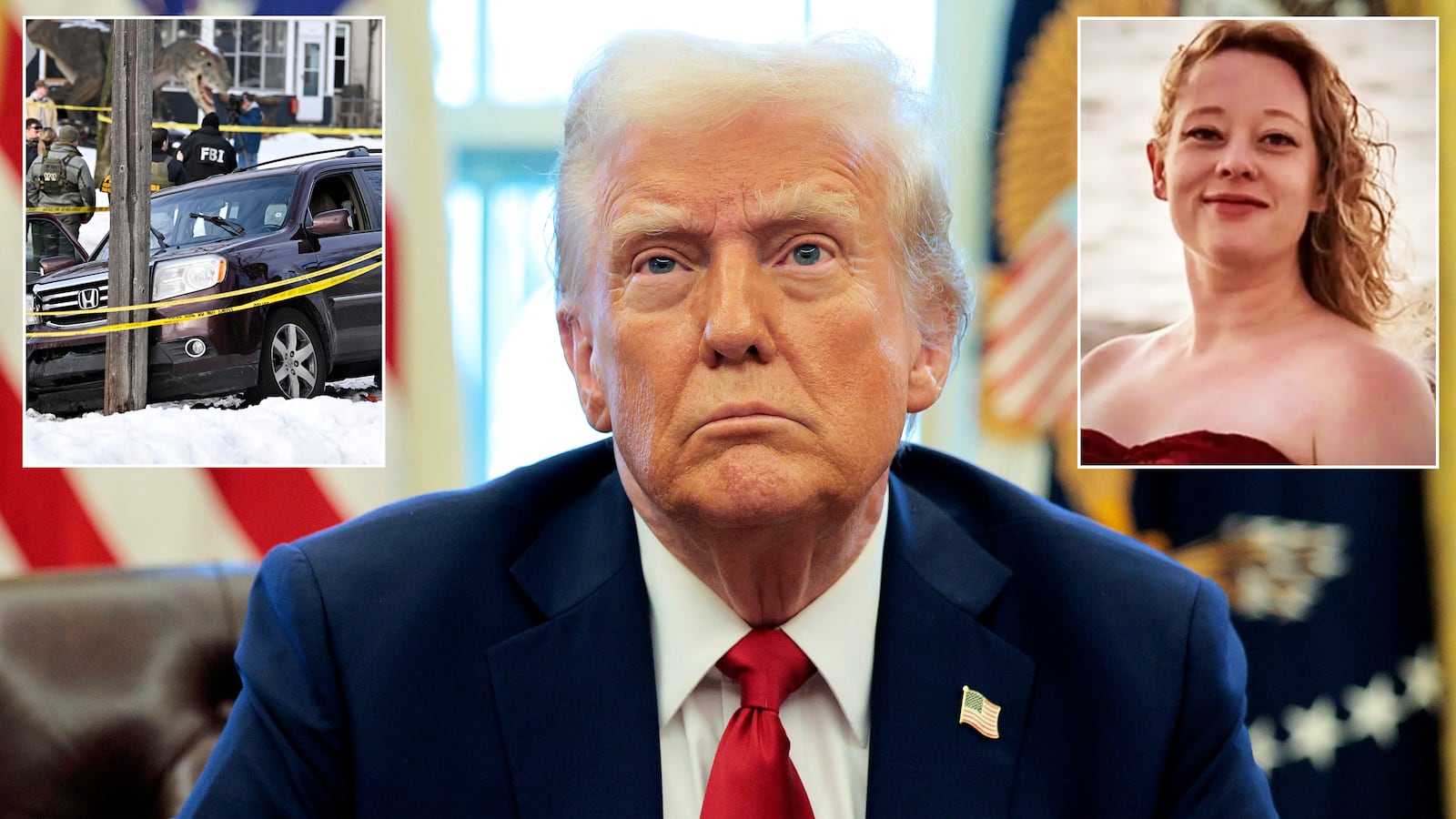
Video from the scene shows ICE officers and other federal agents moving through the neighborhood as protesters chased them, screamed for them to leave, and surrounded their positions. Tear gas canisters were repeatedly deployed, filling the streets with smoke and confusion as officers attempted to push the crowd back. Journalists on the ground reported being struck by canisters as the situation spiraled out of control.
According to the Department of Homeland Security, the incident occurred shortly before 7 p.m., but hours later federal agents remained on the scene, fueling speculation that they were either conducting active enforcement or investigating the shooting itself. Witnesses described a tense standoff as law enforcement cordoned off multiple blocks while protesters continued to arrive, drawn by live streams and viral posts spreading rapidly across social media.
Chants, whistles, and shouts echoed through the darkness as demonstrators demanded accountability. Protesters accused ICE of terrorizing communities through aggressive raids and militarized enforcement tactics. Many said the shooting reopened deep wounds left by the recent killing of Renee Nicole Good, an incident that had already sparked nationwide protests and intense scrutiny of federal immigration operations.
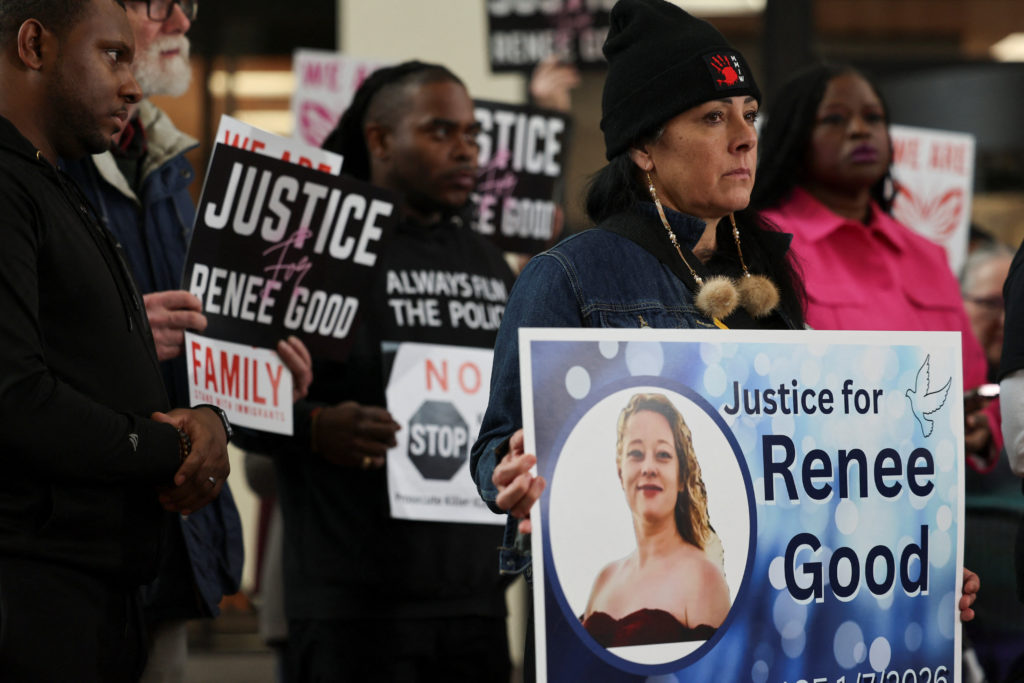
One demonstrator who traveled from St. Paul said she came out to speak for people who felt too afraid to leave their homes. She described a city gripped by fear, claiming residents were being targeted and silenced through constant enforcement actions. Her words reflected a broader sentiment shared by many in the crowd: that federal power was being used to intimidate rather than protect.
As night fell, clashes intensified. Protesters reportedly pushed federal agents back more than a block as flashbangs exploded and pepper balls filled the air. Smoke lingered across intersections while coughing bystanders and volunteer medics attempted to assist those affected by chemical agents. Journalists described the scene as one of the most chaotic confrontations Minneapolis has seen in years.
Local officials acknowledged receiving reports of a shooting involving federal law enforcement but offered few confirmed details. Minneapolis police had not immediately responded to media inquiries, while the city’s mayor amplified alerts warning residents of an unfolding situation. The lack of transparency only deepened public anger and suspicion as rumors spread faster than official statements.
The charge of first-degree murder against an ICE officer marks a seismic moment in the national debate over immigration enforcement and federal accountability. Critics argue the violence was inevitable after weeks of unresolved protests and escalating tensions, while supporters of the demonstrations insist justice has been delayed too long. As Minneapolis braces for another night of unrest, one reality is unmistakable: this confrontation has pushed the country closer to a breaking point, and the fallout is far from over