A Viral “Colbert vs. Ivanka” Clip Shows How Political Fan Fiction Is Replacing Late-Night Reality
A dramatic YouTube video making the rounds this week presents itself like a lost segment from The Late Show with Stephen Colbert: Ivanka Trump, poised and controlled, sits down for an interview; Colbert, calm and unblinking, allegedly corners her with a single question, then produces a folder of “documents” that sends the studio into stunned silence.
It plays like a made-for-streaming thriller. It also reads less like a verifiable talk-show transcript than a growing genre on political YouTube: scripted “what-if” scenarios that borrow the aesthetics of journalism and late-night television while operating closer to narrative fiction.
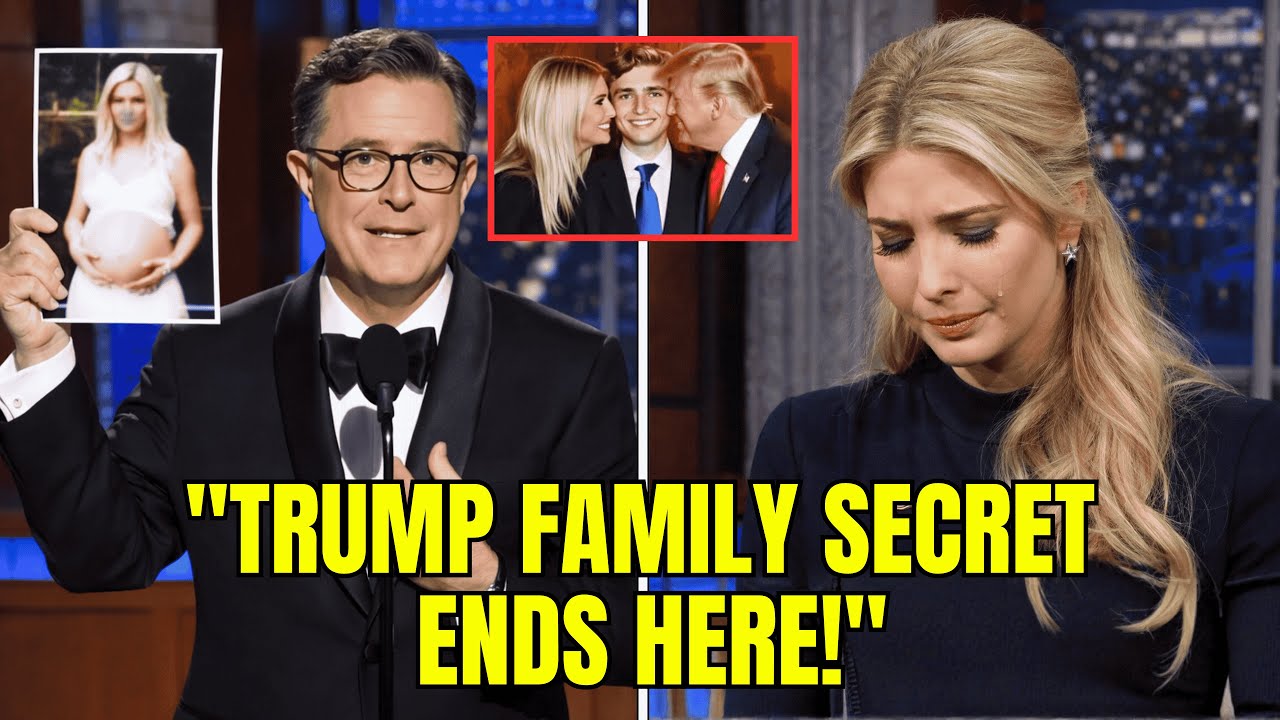
In the circulating script, the exchange escalates quickly. The host frames the moment as “not a joke,” then introduces insinuations about family matters and asks whether the guest would affirm or deny claims “under oath.” The audience is depicted as turning from polite laughter to a collective hush, a familiar dramatic arc in courtroom dramas and prestige TV. The script’s power comes from rhythm: long pauses, measured one-liners, and the theatrical device of a folder placed on a desk like evidence.
Yet outside the video’s framing, there is no widely documented public record of an on-air Colbert interview matching this storyline. What is easy to find, however, are years of Colbert monologues and comedy segments about Ivanka Trump and the Trump family—satire, not depositions—often focused on public remarks, media narratives and political branding.

That gap between recognizable reality and invented confrontation is precisely what makes the format effective. These videos rely on familiar cues—studio lights, applause, “on the record” language, and the authority of a late-night desk—to sell the sensation of accountability. But the core ingredient is not reporting; it is plausibility. The viewer is invited to feel as if something consequential happened, even when the material is best understood as dramatization.
The appeal is not mysterious. In an era of fragmented media trust, the “receipt” has become a storytelling fetish: timelines, screenshots, redactions, and the suggestion of legal consequence. The folder is a prop that signals seriousness. “Under oath” is a shortcut that implies truth-testing without the guardrails of a courtroom—or the standards of a newsroom.
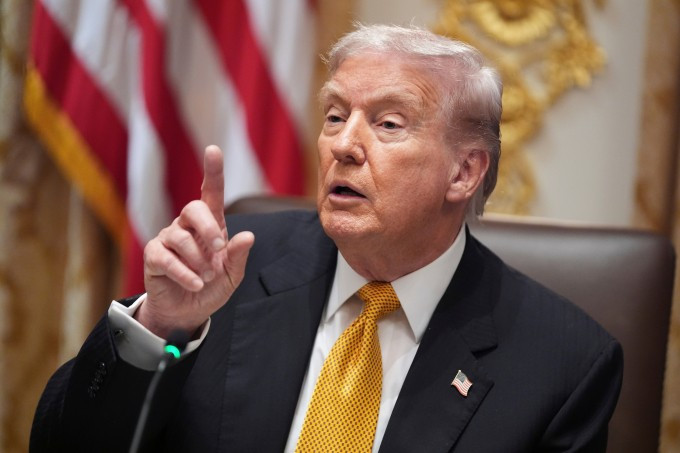
The risks are equally clear. When fictionalized scripts circulate alongside real clips, they can blur into perceived fact, amplifying rumors and putting real people at the center of unverified claims. Platforms and creators can reduce harm by labeling dramatizations clearly, avoiding personal allegations that can’t be substantiated, and steering the focus toward verifiable public actions rather than private insinuations.
The more sobering lesson is about audiences. The internet increasingly rewards content that feels like accountability—tense, cinematic, definitive—over the slower work of confirming what actually occurred. In that environment, “late-night realism” becomes a costume: persuasive, shareable, and sometimes indistinguishable from the real thing.






