Canada’s Dramatic Pivot to China Leaves Trump Reeling as Billions in Trade Realign Overnight
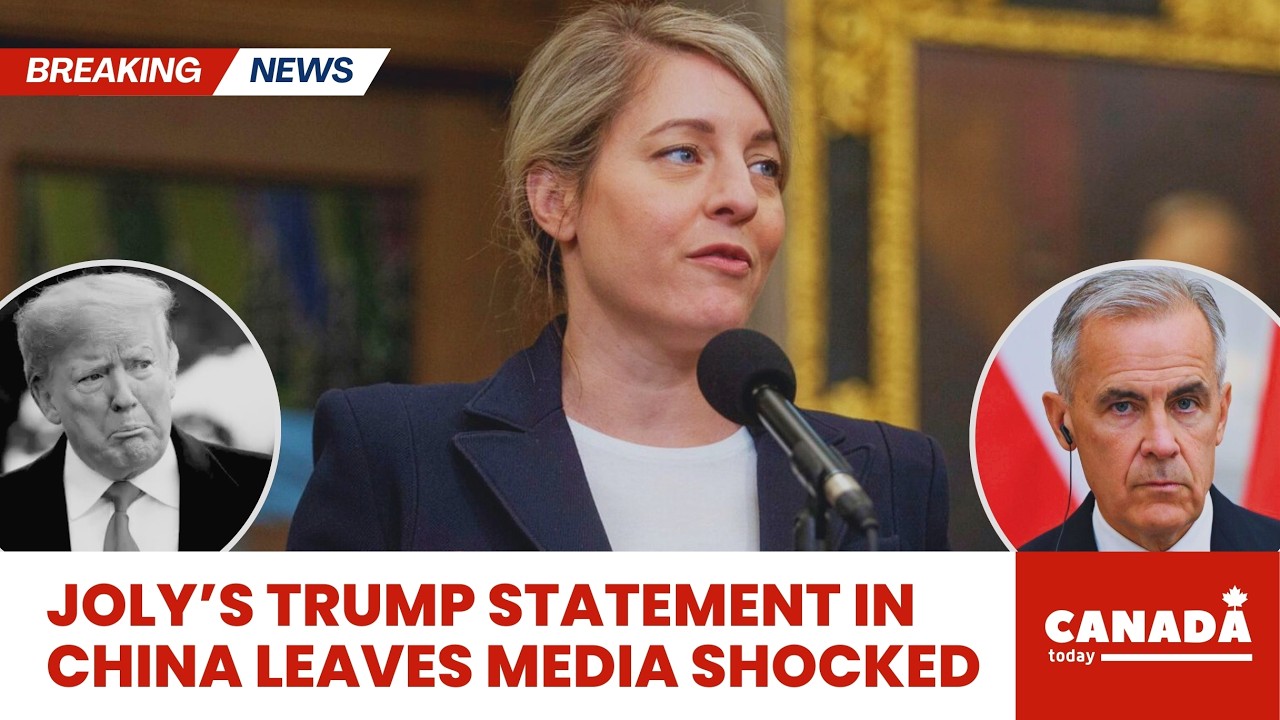
In a stunning economic rupture that has sent shockwaves through North American markets, Canada under Prime Minister Mark Carney has executed a bold, high-stakes realignment toward China, forging pathways that could redirect vast economic flows away from the United States. The move, crystallized during Carney’s historic Beijing visit — the first by a Canadian leader in nearly a decade — has left President Donald Trump visibly stunned, his long-standing leverage over Ottawa suddenly evaporating in what many observers describe as an overnight betrayal of continental unity.
The Beijing Breakthrough: Secret Pacts and Massive Stakes
What began as diplomatic talks in the Great Hall of the People escalated rapidly into a series of explosive agreements. Carney, flanked by Industry Minister Mélanie Joly and other key figures, oversaw the signing of multiple memorandums on energy cooperation, advanced manufacturing, and strategic investments. Insiders whisper of a hidden backroom clause — a coded commitment buried in the fine print of the new strategic partnership roadmap — that quietly unlocks Chinese capital inflows potentially worth hundreds of billions over the coming decade. While official figures hover around targeted sectors like clean energy and agriculture, the real game-changer lies in the auto realm: whispers of substantial Chinese commitments to establish manufacturing footprints in Ontario, threatening to flood the border region with competitively priced electric vehicles produced on Canadian soil.

This pivot arrives amid escalating U.S. tariffs that have hammered Canadian exports, prompting Carney to seek stability elsewhere. China, retaliating against earlier Canadian duties on its EVs, had imposed crippling levies on canola and other farm goods, devastating Prairie provinces. Yet in Beijing, the tone shifted dramatically — Joly openly contrasted the “predictable and stable” discussions with China against the “unpredictability south of the border,” a thinly veiled jab at Trump’s erratic policies. The result: progress on lowering barriers, with reports of canola tariffs dropping sharply and doors cracking open for EV investments that could insulate Canada from American threats.
U.S. Auto Sector on the Brink: Chaos and Fury in Detroit
The implications for the United States are catastrophic. American auto giants, already reeling from Trump’s protectionist walls, now face the nightmare scenario of Chinese EV production plants sprouting just across the border. Tens of thousands of jobs hang in the balance as cheaper, technologically advanced vehicles could undercut U.S. manufacturers without triggering the same import penalties. Industry analysts warn of a total collapse in competitive edge, with supply chains fracturing and factories idling as Canada builds an independent lifeline to Asia.
Trump, caught completely off guard, has reacted with fury. Sources describe heated outbursts in Washington, where the president — who once dismissed Canada as inconsequential — now watches helplessly as his “America First” strategy backfires spectacularly. His threats of further tariffs and sovereignty jabs have only accelerated Ottawa’s diversification push, turning allies into adversaries overnight. The U.S. auto heartland, from Michigan to Ohio, braces for paralysis: plants shuttering, workers laid off in droves, and markets plunging into uncertainty as investors flee what looks like a losing battle.
Carney’s Calculated Gamble: Stability Over Subordination
Carney’s administration frames this not as abandonment but as essential protection. With Trump’s tariffs biting deep and USMCA talks mired in hostility, Canada has no choice but to secure reliable partners. The Beijing deals promise jobs, energy security, and a buffer against southern volatility. Yet the drama intensifies with every detail: the secret provisions insiders claim guarantee China long-term dominance in key sectors, potentially reshaping global supply chains forever.

This is no mere diplomatic thaw — it’s a seismic shift in power dynamics. Canada, once boxed in by U.S. dominance, now demonstrates it can forge ahead independently. Trump’s leverage crumbles with each new announcement from Beijing, leaving American industries exposed and furious. As the dust settles, the world watches: will this hidden deal trigger an irreversible realignment, or spark even fiercer retaliation? The stakes have never been higher, and the fallout is only beginning.






