In what is already being hailed as a historic pivot in North American relations, Prime Minister Mark Carney delivered an explosive “Canada-First” speech last night that officially declared an end to the era of Canadian subservience. Addressing a nation reshaped by the aggressive protectionism of the Trump administration, Carney drew a definitive line in the sand, signaling that Canada will no longer live in the shadow of its southern neighbor. “Nostalgia is not a strategy,” Carney told a hushed room, effectively burying the old diplomatic playbook.
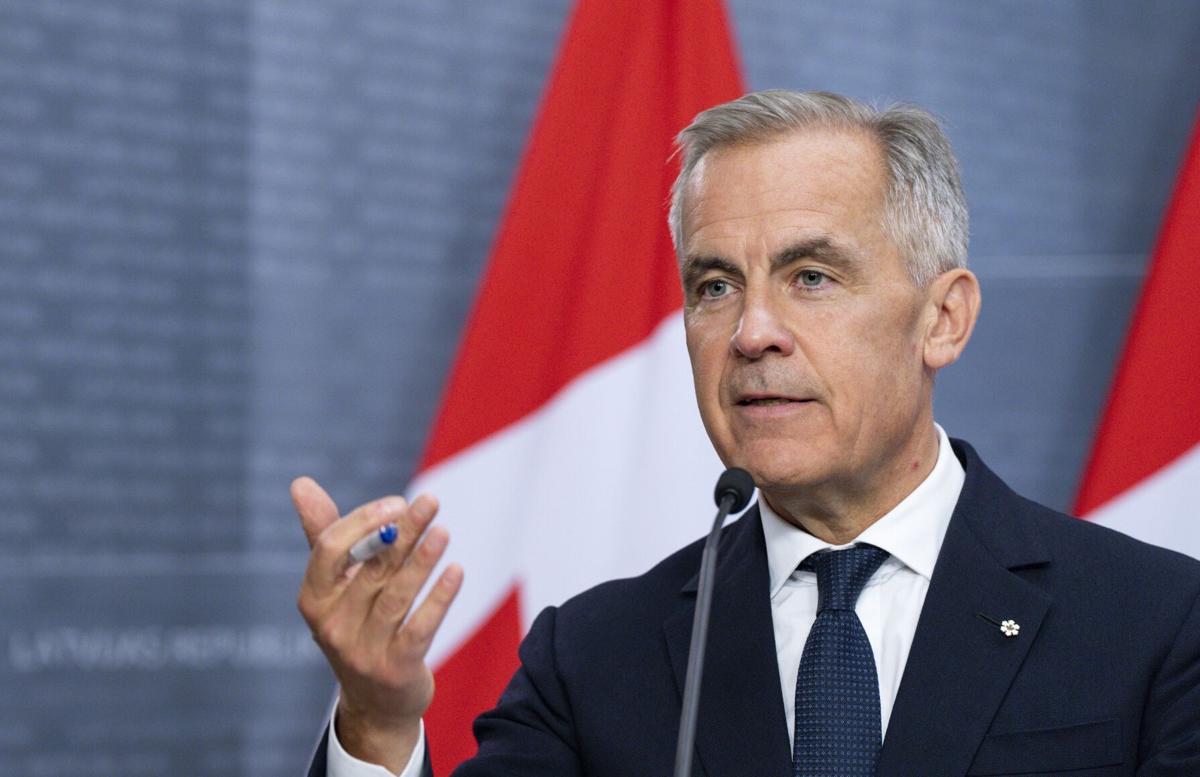
The centerpiece of Carney’s address was a radical commitment to military and economic self-reliance. In a direct jab at the long-standing integration of the two nations’ defense industries, Carney announced a fundamental shift in procurement. “The days of our military sending 70 cents of every dollar to the United States are over,” he declared. The Prime Minister pledged that the “Canada Strong” initiative would be built using Canadian steel, Canadian aluminum, and Canadian lumber, ensuring that taxpayer dollars remain within domestic borders to bolster local industries.
Carney’s rhetoric suggests that the current “rupture” in global order is not a temporary storm to be weathered, but a permanent shift. He warned that those waiting for the world to return to the status quo of the early 2010s are in denial. By framing the current geopolitical climate as a choice between shaping the future or being controlled by others, Carney positioned his government as a proactive force ready to embrace AI, domestic manufacturing, and new trade alliances to insulate Canada from foreign economic coercion.
Perhaps the most surprising element of the speech was Carney’s celebration of a “quiet rebellion” among ordinary Canadians. He pointed to a massive surge in domestic solidarity, noting that citizens are increasingly boycotting American products in response to President Trump’s tariffs. From families choosing vacations in Prince Edward Island over Florida to wine lovers opting for Okanagan vintages over Californian ones, Carney described these millions of individual acts as a collective statement of national sovereignty.
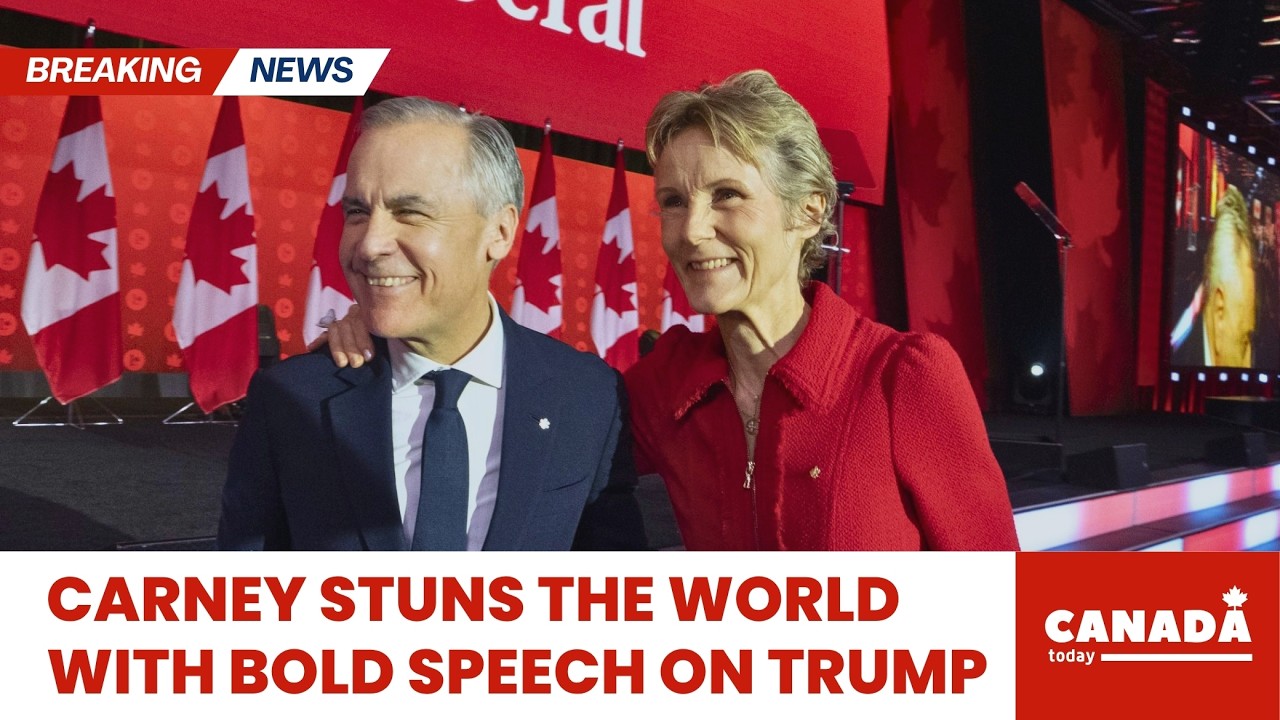
The economic data shared during the address was staggering. Canada’s tourism sector reportedly saw a record-breaking summer, with a 15% increase in museum visits and 50,000 more train rides taken by citizens exploring their own country. This organic shift in consumer behavior has provided the government with the political capital to pursue a more aggressive “Canada-First” agenda, proving that the nation’s resilience is rooted in the choices of its people rather than just the policies of its leaders.
In a deeply emotional moment, Carney pivoted from macroeconomics to the human spirit, citing the tragic shooting in Tumbler Ridge. He praised the first responders and teachers who shielded children, and highlighted the story of Jim Caruso, a citizen who traveled a thousand kilometers just to offer comfort and “cry with” grieving families. This, Carney argued, is the true source of Canadian strength—a community that looks out for its own when things get tough, forming a social fabric that no foreign administration can tear apart.
The speech served as a direct rebuttal to the repeated threats against Canadian sovereignty issued by Donald Trump. Carney was unambiguous: “This country is not up for grabs.” By removing the ambiguity from Canada’s stance, Carney has set the stage for a much more confrontational relationship with Washington. This is no longer the “polite neighbor” diplomacy of the past; it is a calculated, strategic withdrawal from a partnership that Ottawa now views as transactional and unreliable.
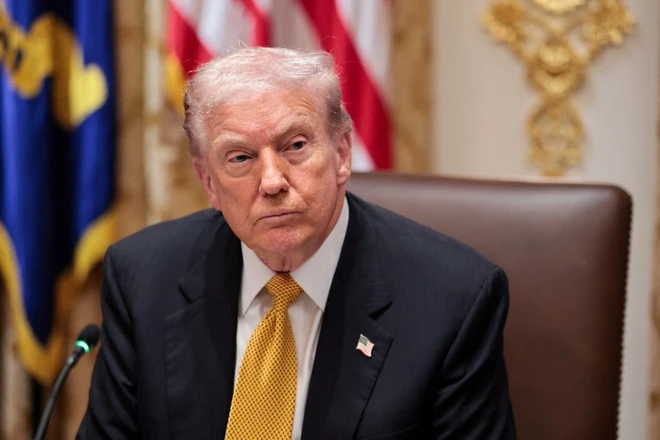
The “Carney Doctrine” places heavy emphasis on diversifying trade away from the United States, a move that aligns with recent breakthroughs in Europe. As the international order Canada helped build continues to crumble, Carney is betting on a future where Canada acts as a sovereign “middle power” capable of standing alone. He challenged the audience to believe in the “promise of Canada,” a promise he believes has been rediscovered through the challenges of the past year.
For the international community, the speech is a warning that the “North American bloc” is no longer a monolith. Carney’s insistence on using domestic resources for defense and infrastructure signals a move toward a more protectionist stance within Canada itself. This “tit-for-tat” economic strategy suggests that if Washington continues to use trade as a weapon, Ottawa is fully prepared to fire back with its own version of economic nationalism.
The fallout from this address is expected to be immediate. Critics argue that such a sharp turn away from the U.S. could lead to further retaliatory tariffs and economic instability. However, Carney’s supporters see this as a long-overdue declaration of independence. By prioritizing Canadian workers and resources, the government is attempting to “future-proof” the economy against the volatility of the 2026 U.S. political landscape.
As the Prime Minister concluded his remarks, the atmosphere was one of grim but determined resolve. The question Carney posed a year ago—”Who’s ready to stand up for Canada?”—was answered with a resounding standing ovation. It is clear that the government believes the Canadian public is ready for the sacrifices that may come with this newfound independence, as long as the result is a country that “no one can ever take away.”
The world is watching to see how the White House responds to this direct challenge. For now, the message from the Great White North is clear: Canada is done playing it safe. The dominoes of the old alliance are falling, and a new, more defiant nation is taking its place on the global stage. As Carney put it, the journey has started, and there is no turning back.






