Canada’s Quiet Recalibration in Beijing, as Trump’s Rhetoric Echoes at Home
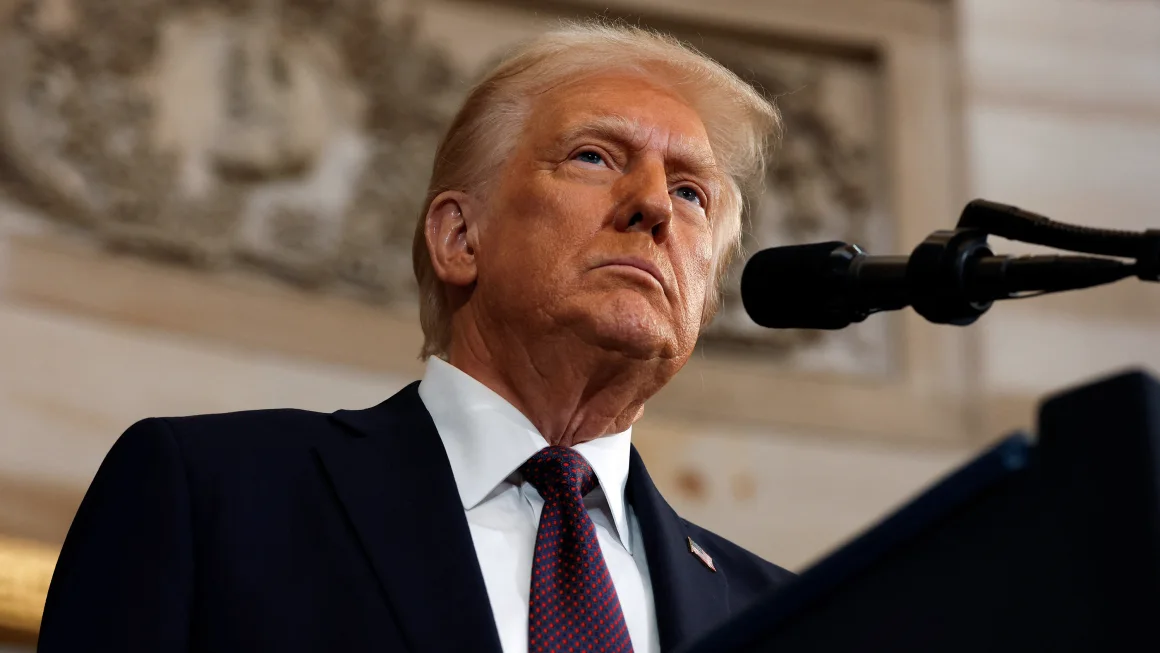
By the time Donald Trump declared that Canada “doesn’t matter,” dismissing trade agreements and Canadian-made automobiles in a flurry of familiar bravado, the remark barely registered beyond the churn of American cable news. Such statements, shared and reshared across X, Truth Social, and conservative media clips on YouTube, fit a pattern audiences have come to recognize: performative toughness designed for domestic consumption.
Yet while those words ricocheted through American social media feeds, a very different scene was unfolding thousands of miles away. In Beijing, Canada was being received with formality, deliberation, and unmistakable respect. The contrast was not accidental. It was strategic. And in global politics, timing often matters more than volume.
Canada’s visit to China this week, led by Prime Minister Mark Carney and senior cabinet ministers, was not merely another diplomatic stop. It was a signal, delivered quietly but unmistakably, that Ottawa is recalibrating how it manages risk in an increasingly volatile global order, particularly as unpredictability emanates from its closest ally.
The first signal did not come from a handshake or a photo opportunity. It came from a warning.
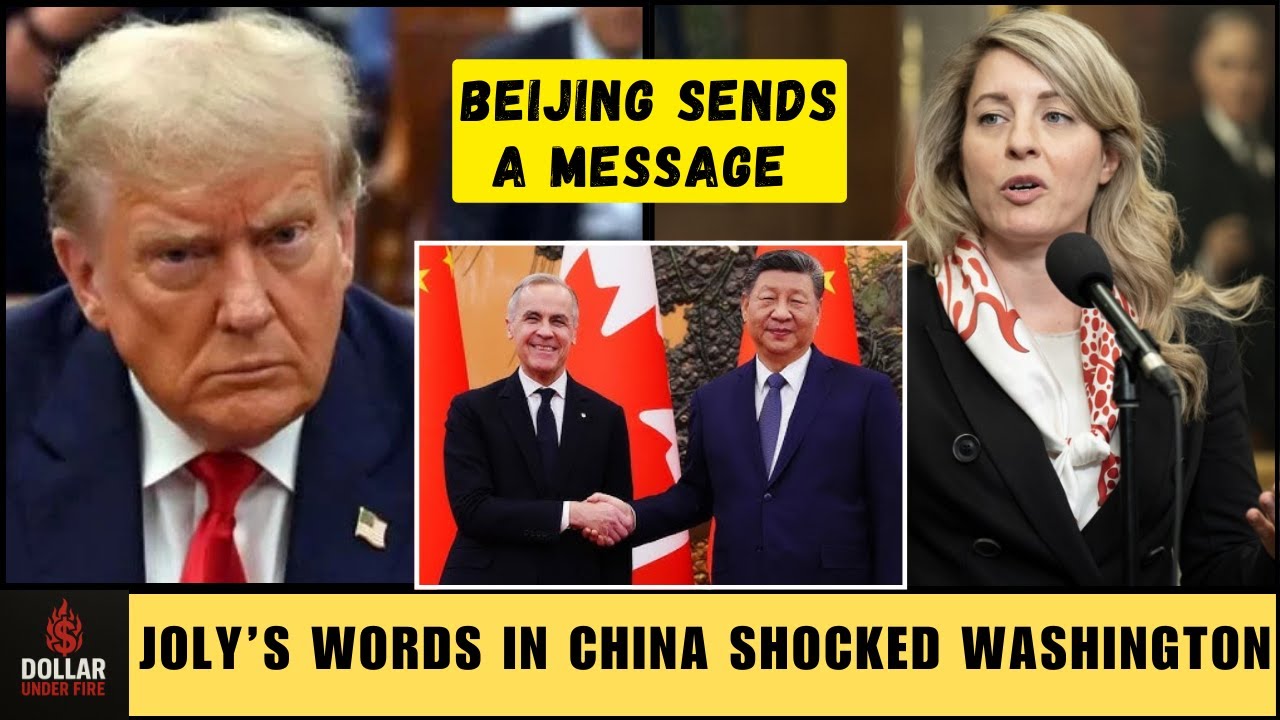
Standing before reporters in Beijing, Canada’s foreign minister spoke less about ceremony than about instability. She described a world marked by disruptions, from geopolitical crises to economic shocks, and emphasized that while many forces remain beyond government control, trade partnerships are not among them. Without naming the United States or its president, she pointed southward, alluding to uncertainty driven by political volatility beyond Canada’s border.
The message was not subtle, nor was it accidental. When phrases like “reckless behavior” and “economic uncertainty” are voiced on foreign soil during a high-level diplomatic visit, they are not casual observations. They are calibrated signals. Canadian audiences understood immediately. So did global markets, which have grown increasingly sensitive to political risk and sudden policy reversals.
This was not diplomatic hedging. It was Canada, speaking plainly in Beijing, publicly distancing itself from Trump-era volatility while demonstrating that it has alternatives. That combination is what made the moment consequential.
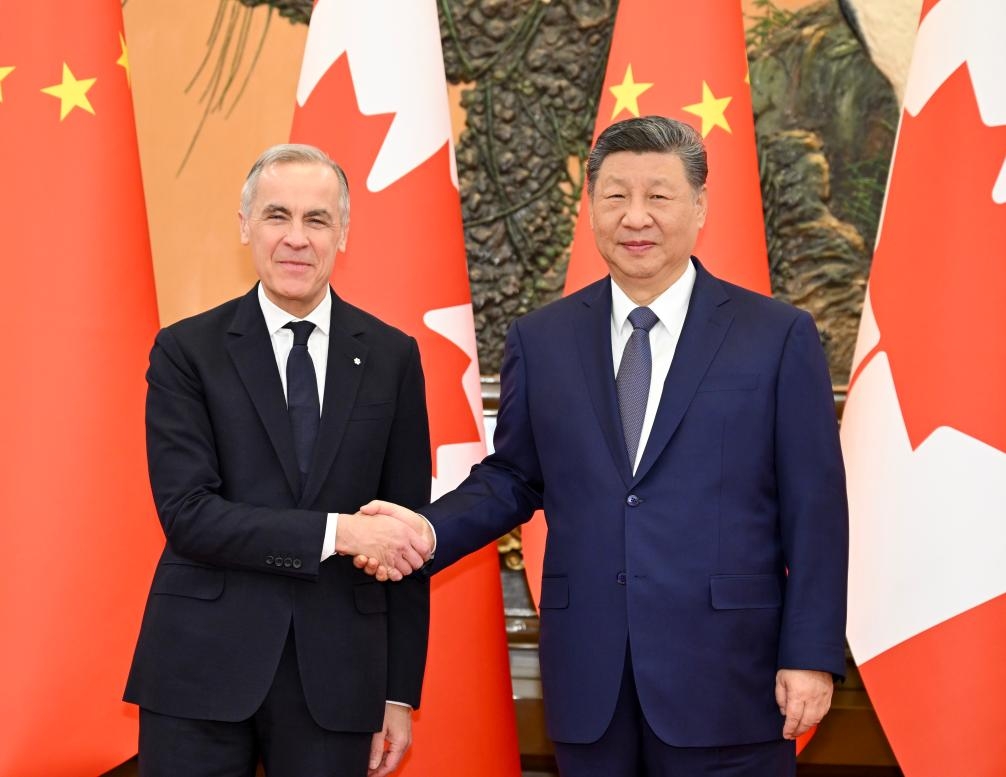
China, after all, is not a symbolic partner for Canada. It is structural. China is Canada’s second-largest export market, a major investor, and a country that prioritizes predictability above almost all else in economic relationships. That is why Canada’s message resonated. At a time when global supply chains are being rattled by tariff threats, abrupt sanctions, and shifting political moods, Canada positioned itself as the opposite: stable, reliable, and controllable.
On American social media, commentary ranged from dismissive to alarmed. Some conservative influencers framed the visit as a betrayal, while more centrist policy analysts on platforms like Substack and LinkedIn described it as overdue risk management. Former diplomats, posting long threads on X, noted that diversification does not signal abandonment but leverage.
The pace of the visit reinforced that interpretation. Carney’s first day in Beijing was dense and deliberate. Meetings began immediately. A formal reception followed. Before the day ended, eight memorandums of understanding had been signed, covering energy cooperation, forestry and modern construction, food safety, crime prevention, tourism, and cultural exchange.
These were not decorative agreements crafted for headlines. They were practical frameworks for long-term alignment. And the speed mattered as much as the substance. Beijing does not move quickly unless it sees tangible value. This was not about restarting dialogue; it was about resuming momentum.
The most closely watched discussions, however, focused on pressure points closer to home. When talks turned to canola and automobiles, the tone sharpened. These sectors have been living under a cloud of uncertainty for months, as Canadian farmers and auto workers watched trade headlines and waited for clarity.
What stood out was what did not happen. There were no slammed doors, no rigid refusals, no vague deflections. On canola, Canadian officials made clear they were not merely requesting relief but expecting movement. The issue is structural, affecting livelihoods and export confidence, and Beijing understands the political weight it carries in Ottawa.
Autos carried even greater symbolic and economic weight. With persistent threats and unpredictable rhetoric coming from Washington, Canadian auto workers have grown uneasy. In Beijing, Canada did not project desperation. It projected readiness: readiness to stabilize supply chains, protect jobs, and explore paths that do not hinge on American political moods.
Nothing was finalized. Nothing was promised. But expectations were placed firmly on the table.
That context lends urgency to a conversation that has been quietly gaining traction in policy circles and industry forums, including on U.S. financial media podcasts and EV-focused online communities. Chinese electric vehicle manufacturers, long focused on exports, are increasingly exploring manufacturing abroad. Canada, particularly Ontario, has emerged as a serious candidate.
The logic is straightforward. Canada offers established auto infrastructure, skilled labor, and proximity to North American markets. For Chinese EV firms, manufacturing in Canada could mitigate trade barriers. For Canada, it could mean tens of thousands of jobs and long-term industrial positioning in the electric future.
This possibility has not gone unnoticed in Washington. Commentators on U.S. policy-focused X spaces and think tank blogs have openly worried that Chinese-built EVs in Canada would sit just across the U.S. border, competitive on price and technology, and far harder to block without triggering major trade fallout.
Nothing has been announced. No deals confirmed. But expectations are shifting, and once expectations shift, leverage begins to erode.
For years, pressure from Washington worked because Canada’s room to maneuver felt limited. Tariff threats landed hard. Public warnings stirred anxiety. That equation is changing. What unfolded in Beijing made clear that Canada is no longer organizing its economic future around a single partner’s volatility.
This is not rebellion. It is risk management.
Canada is not choosing China over the United States. That framing, popular in partisan social media debates, misses the point. Canada is balancing relationships. Europe, Asia, and China are not replacements. They are buffers. And buffers change leverage.
A country with options negotiates differently. It does not panic when threatened. It does not overreact to noise. It plans for the long term. That shift was visible in how Canada spoke, how it moved, and what it signed in Beijing.
Donald Trump may continue to insist that Canada does not matter. But what unfolded in Beijing told a different story, one investors, governments, and markets are already parsing. This visit was not about ceremony. It was about signaling.
Canada demonstrated that it is no longer willing to anchor its economic future to unpredictability. That quiet transformation may prove far more consequential than any speech or slogan. Once a country shows it can move forward without being boxed in, old pressure tactics fade. And when leverage shifts, it rarely shifts back quietly.






