Canada Quietly Rewrites the Rules of Leverage
By the time the announcement landed, the ground had already shifted.
Canada did not issue threats. It did not stage a diplomatic spectacle. There were no sharp speeches, no public ultimatums, no televised confrontations. Instead, Ottawa signed a deal that, almost overnight, altered the country’s economic trajectory and exposed a deeper change in the balance of power in North American trade.
While Washington remained focused on tariff disputes, election-year rhetoric, and highly visible political theater, something more consequential unfolded largely out of public view. This was not a rushed pivot or an act of desperation. It was the culmination of preparation that had been underway for years. And when it became visible, it carried a simple but disruptive message: Canada had options, real ones.
By exercising those options, Canada did not merely open new economic doors. It closed an old pressure point that had shaped its relationship with the United States for more than a decade. The shift was not ideological. It was structural. And in international economics, structure outlasts rhetoric.
The most immediate headline centered on electric vehicles. Tariffs that had effectively barred Chinese EVs from the Canadian market were sharply reduced, granting formal approval to a defined number of vehicles. On the surface, this looked like market access. In practice, it signaled something more strategic.
Canada’s EV ambitions have long been constrained by cost. High prices slowed adoption. Limited domestic manufacturing capacity restricted scale. Industry analysts on platforms like X and LinkedIn, including several automotive supply-chain specialists followed widely in U.S. policy circles, noted that affordable EVs are not simply consumer products. They are catalysts. They change demand curves, accelerate infrastructure investment, and, critically, make local manufacturing economically viable.
That is where the agreement quietly aimed. Not at flooding Canadian roads with imports, but at shortening learning curves, stabilizing supply chains, and anchoring production inside Canada. Manufacturing commitments, once made, alter industrial math. Local jobs emerge. Supplier networks follow. Pricing power shifts. And once factories are planned, reversing course becomes costly.
The implications ripple south almost immediately. Vehicles produced inside a G7 economy, compliant with global standards, sit a short distance from the U.S. border. They are not gray-market goods. They are not theoretical future products. They are legal, competitive, and cost-efficient. That reality complicates efforts to isolate supply chains through pressure alone. As one former U.S. trade official remarked in a widely shared podcast clip, “Circumvention is harder to fight than confrontation.”
Electric vehicles, however, were not the most politically sensitive part of the agreement. That distinction belongs to agriculture.
For months, Canadian farmers absorbed the fallout from trade disputes they did not initiate. Tariffs slammed exports. Entire regions felt the impact. Provincial leaders warned of rising instability, and farm groups amplified their concerns across social media, particularly on platforms like Facebook and X, where agricultural communities remain highly active.
Then, almost abruptly, tariffs that had strangled access were reduced to a fraction of their former levels. Market access was restored. Billions of dollars in potential exports moved from blocked to viable. Political pressure in Canada’s agricultural heartland eased nearly overnight.
This was not symbolic relief. It was a core demand, and it was met. With it, a key domestic vulnerability disappeared. When agriculture stabilizes, so does the political landscape tied to it. Another lever that had been quietly used for years lost its effectiveness.
One of the least noticed elements of the agreement may prove the most durable: visa-free travel. Compared with trade figures and manufacturing commitments, it sounded modest. It is not.
Mobility accelerates everything. Business delegations move faster. Deals form more easily. Tourism rebounds. Universities, research partnerships, and cultural exchanges resume without friction. Analysts at several U.S.-based think tanks, writing on Medium and Substack, noted that when people move freely, capital often follows. Trust rebuilds through repetition, not declarations.
This soft-power layer underpins a harder economic reset. Once normalization begins at this level, reversing it becomes politically and economically expensive.
The most persistent misreading of this moment frames the agreement as Canada “choosing China over the United States.” That narrative is dramatic and deeply misleading. What changed was not allegiance. It was dependency.
For years, pressure worked on Canada because alternatives were limited. Tariff threats carried weight because there was nowhere else to go quickly. Trade warnings mattered because the cost of ignoring them was too high. Leverage thrives on scarcity of options.
This agreement rewrote that equation. By securing manufacturing investment, stabilizing agriculture, and unlocking capital without U.S. approval, Canada reduced the force of external pressure. Threats do not land the same way when there is another path forward. They may sound louder, but they hit softer.
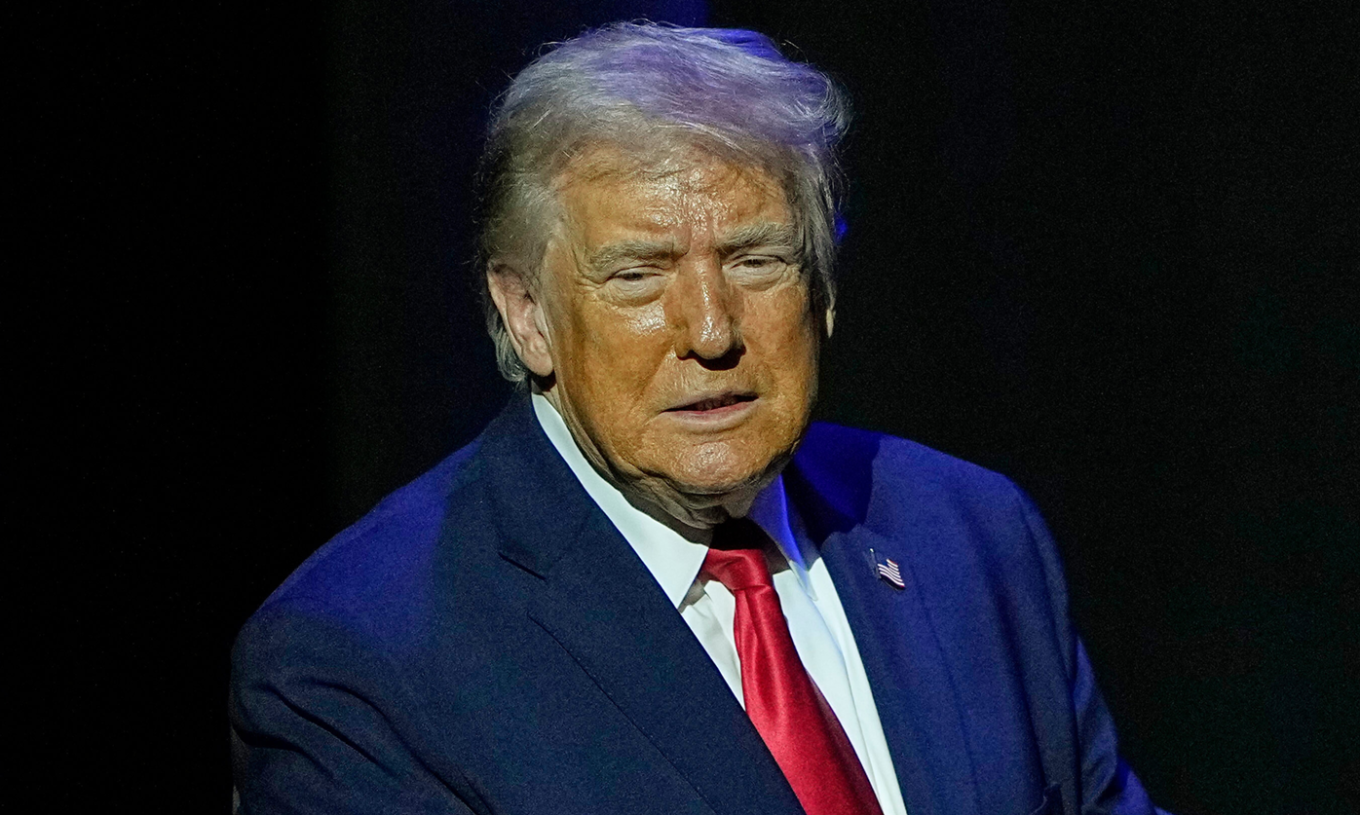
That shift helps explain why this moment has unsettled Donald Trump more than any speech or statement. His trade strategy relied heavily on bottlenecks. This deal weakens them. Canada did not abandon a partner. It removed a choke point.
No one was “backstabbed.” Canada did not wake up and decide to turn away from the United States. What changed was trust, eroded over time as predictability gave way to volatility. Businesses do not plan around chaos. Governments do not anchor their economies to uncertainty. Adaptation began quietly, rationally, and incrementally.
That is how leverage slipped away. Not because Canada seized it, but because it was overused.
What comes next is less certain. Policy circles in Washington are already buzzing. Some reports suggest increased trade scrutiny is under discussion. Others hint at possible retaliation through auto rules or future tariff adjustments. None of this is confirmed, but the conversation itself signals unease.
The problem is timing. Retaliation now carries higher risk. Once investment timelines are set and factories are planned, pressure stops being targeted and starts becoming self-inflicted. Some analysts believe this moment may force recalibration rather than escalation, an acceptance of coexistence with a changed landscape.
What is clear is that old tools no longer work the way they once did. Threats feel louder when leverage is gone, not stronger.
The deal is signed. The framework is in motion. The momentum behind it is structural, not rhetorical. Factories do not move on tweets. Capital does not follow speeches. Supply chains respond to stability, access, and long-term planning.
Canada did not declare independence. It demonstrated it. Pressure no longer works the way it used to. And once that realization sets in, the balance shifts quietly, but permanently.
This is not the end of the story. It is the beginning of a new phase, one defined less by control and more by adjustment. The question now is not whether Canada made the right move. It is whether anyone else can afford to pretend the move never happened.






